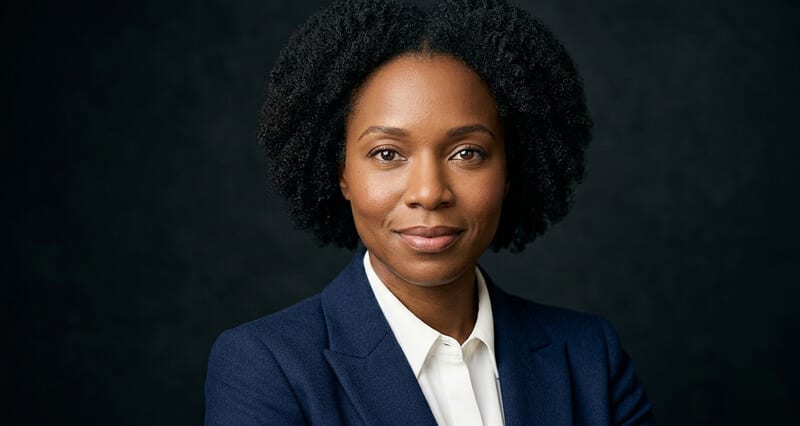
How AI Headshots Improve Personal Branding and Career Growth in 2026
A professional photo isn't just a nice-to-have anymore. It's a career asset that compounds every single day. Here's exactly how AI headshots are changing what's possible for professionals at every level.
Three years ago, a UX designer I know had the same LinkedIn profile photo she'd used since 2019.
She wasn't avoiding it. She just kept telling herself she'd update it "when things slow down." Things never slowed down. The photo stayed.
She was good at her job. Her work was strong. Her LinkedIn content was genuinely thoughtful. But when she sat down to audit her profile growth, something wasn't adding up. Her connection requests were tepid. Recruiter messages were rare. Her content was getting views but not converting into meaningful professional conversations.
She updated her headshot on a Tuesday afternoon. AI session. New photo live by evening.
By Friday, two recruiter messages. One connection request from a design director at a company she'd admired for years.
"I can't prove causality," she told me. "But something shifted."
Here's what she'd understood, almost by accident: her personal brand wasn't just her writing and her work. It was the first thing anyone saw before they decided whether to engage with any of it. And that first thing had been seven years old.
What Personal Branding Actually Means in 2026
Personal branding has become one of those terms that means everything and nothing at the same time.
So let's be specific.
Your personal brand is the impression you leave before you've said anything. It's the combination of your photo, your headline, your content, and your overall digital presence that makes someone decide, in under thirty seconds, whether you're worth their attention.
44% of employers have hired someone specifically because of their personal brand. And in the same research, 54% have rejected candidates because of a poor online presence. Not because of qualifications. Because of how they showed up online before anyone looked at their CV.
This is the environment professional photos are working in. Not a cosmetic nicety. A first-impression machine that operates 24 hours a day in every search result, every recruiter inbox, every "People You May Know" sidebar.
Your profile photo isn't your headshot. It's the opening sentence of your personal brand. And unlike a bio you can rewrite in ten minutes, a photo communicates in a fraction of a second before your audience makes any conscious judgment at all.
The reason AI headshots specifically matter for personal branding in 2026 comes down to one thing: access. Getting a great headshot used to require scheduling, travel, a photographer, several hundred dollars, and two to four weeks of waiting. Now it requires an afternoon and a fraction of that cost. The barrier to having a professional personal brand photo has essentially disappeared for anyone willing to spend the time.
The Career Growth Mechanism: How a Headshot Actually Moves the Needle
Here's the part most people intuitively understand but rarely see spelled out in specific terms.
Your headshot influences career growth through three distinct mechanisms.
Mechanism 1: Search visibility and click-through.
Profiles with professional photos receive 21 times more views than profiles without one. Not 21% more. 21 times. That multiplier operates at the search result level, before anyone has clicked through to your full profile.
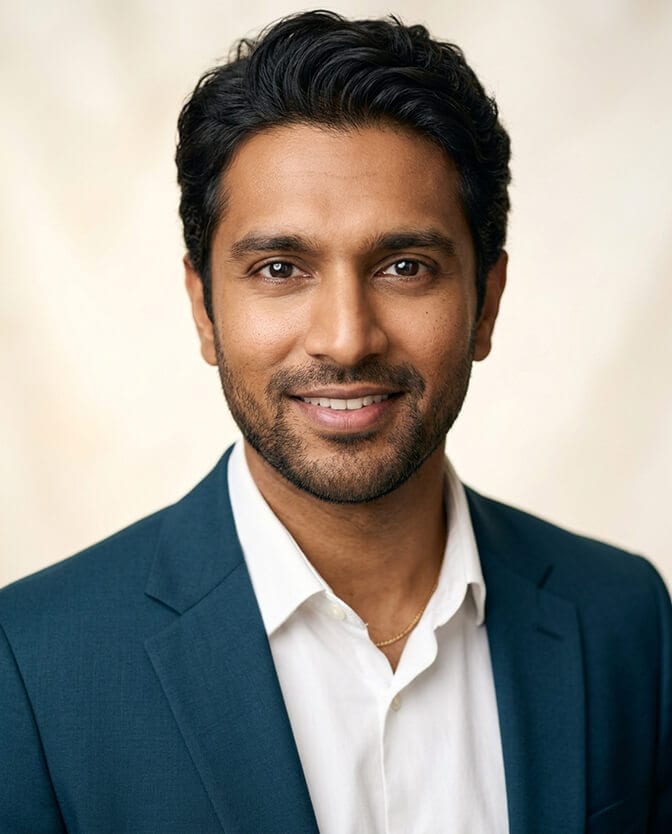
When a recruiter runs a search on LinkedIn, they see a grid of thumbnails with names. The eye goes to faces that look present and professional before it processes any other information. A well-lit, current, professional headshot is what makes you the person someone decides is worth clicking on in a list of forty results.
If your photo doesn't generate the click, nothing else on your profile gets the chance to work.
Mechanism 2: Trust formation and response rate.
After someone clicks through, your photo continues working. It's the first visual element on your profile, seen before any text is processed. It shapes the initial trust question: "Is this someone I could work with? Someone I could trust?"
Research on recruiter behavior shows that 70% of recruiters have passed on a candidate based on their LinkedIn photo. This isn't about vanity. It's about the split-second trust assessment that happens before the analytical brain engages.
A professional photo that accurately represents you, with good lighting, appropriate wardrobe, and a genuine expression, answers the trust question correctly. A blurry crop from a social event raises it.
Mechanism 3: Consistency and personal brand compounding.
This one takes longer to see but is arguably the most powerful over time.
When your headshot is consistent, professional, and current across every platform where you appear professionally, something happens to how people experience your brand. They encounter you on LinkedIn, then on your company website, then on a speaker bio, then in a conference program. Each time, the same quality, the same professional standard, the same face.
Each encounter reinforces the last. Trust compounds. Recognition compounds. The impression of someone who has their act together, professionally and visually, builds across every touchpoint simultaneously.
This compounding effect is something a single headshot update doesn't fully deliver. A library of consistent headshots, deployed across every professional surface, does.
The AI Headshot Advantage for Personal Brand Building
Here's where AI changes the equation in ways that matter specifically for career growth.
Speed and update frequency.
The biggest practical barrier to maintaining a strong professional photo is the friction of the traditional process. Scheduling, travel, cost, delivery time. These barriers mean most professionals update their headshot every four to seven years rather than every two to three.
Four to seven years is a long time. Your appearance changes. Your professional level changes. Your wardrobe evolves. Your headshot from 2019 is representing a version of you that no longer fully exists.
AI headshot sessions remove this friction almost entirely. A session takes an afternoon. Results arrive the same day. The cost is a fraction of traditional photography. This means updating your headshot when you change jobs, change your appearance significantly, or simply when your current photo starts to feel stale becomes a practical reality rather than a recurring "I'll do it eventually" item.
Platform variety from one session.
A traditional headshot session delivers a handful of finals in one crop, one background, one wardrobe. Deploying that across LinkedIn (tight crop), your website (slightly wider), your speaker bios (clear face at thumbnail size), and your email signature requires either multiple sessions or awkward cropping.
An AI headshot session produces dozens of outputs across multiple backgrounds, crops, and lighting styles. All from the same input. All at the same quality level.
This means you can build a genuine personal brand headshot library, with the right photo for each context, from a single session. That library is what consistent, cross-platform personal branding actually requires.
Lower cost of experimentation.
Personal branding involves figuring out what signal you want to send and testing whether your visual identity is actually sending it. A darker background for authority. A warmer expression for approachability. A specific wardrobe choice for industry alignment.
With traditional photography, every test costs a session. With AI, you can shoot multiple wardrobe options, generate outputs from each, and compare how they read before committing to a primary photo. This is a genuine strategic advantage for professionals who are intentional about their brand.
What Industry Research Says About Personal Branding ROI
The data behind personal branding has gotten quite specific in 2026, and it's worth walking through the numbers that directly connect a professional photo to career outcomes.
Visibility impact. Profiles with professional headshots receive 36 times more messages from recruiters and peers. In a professional landscape where most career opportunities arrive through inbound contact rather than applications, this multiplier is significant.
Opportunity impact. 44% of employers have hired someone specifically because of their strong personal brand presence. That's not a soft claim about "looking good online." That's direct hiring influence from how someone presents themselves digitally.
Trust impact. 75% of hiring professionals research candidates' social profiles before making decisions. Your headshot appears in every one of those checks. It's forming impressions in contexts you'll never directly see or control.
Rejection risk. 54% of employers have rejected candidates due to poor online presence. The risk of a bad or absent professional photo is not hypothetical. It's a measurable, documented cost that operates invisibly, compounding every day the photo isn't current.
For professionals actively managing their career trajectory, the personal branding ROI on a quality headshot is almost embarrassingly high relative to the cost of producing one.
If you want to see how a strong personal brand headshot looks across multiple professional contexts before generating your own, browse professional headshot examples from Headshot Photo across industries and styles.
The Career-Stage Framework: What Your Photo Should Be Doing at Different Points
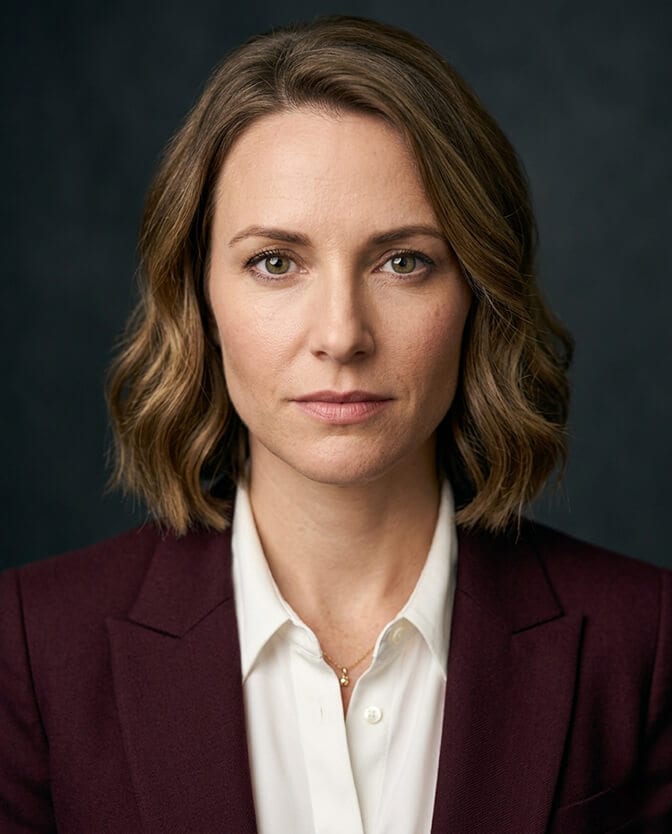
Your headshot's job changes as your career progresses. Getting this right requires thinking about what signal your audience needs to receive, not just what looks good in a general sense.
Early career (first five years). Your photo needs to signal readiness and credibility. You may not have the track record yet to speak for itself, so your visual presentation needs to work harder. Professional attire that's one level above your current daily norm. A genuine, engaged expression that reads as eager without being anxious. A clean background that removes any question about context.
Mid-career (five to fifteen years). Your photo now needs to signal established capability and approachability. You're no longer proving you belong in the room. You're showing you're the kind of person people want to work alongside. The expression can afford more warmth. The wardrobe should match where you actually are, not where you're trying to prove you could be.
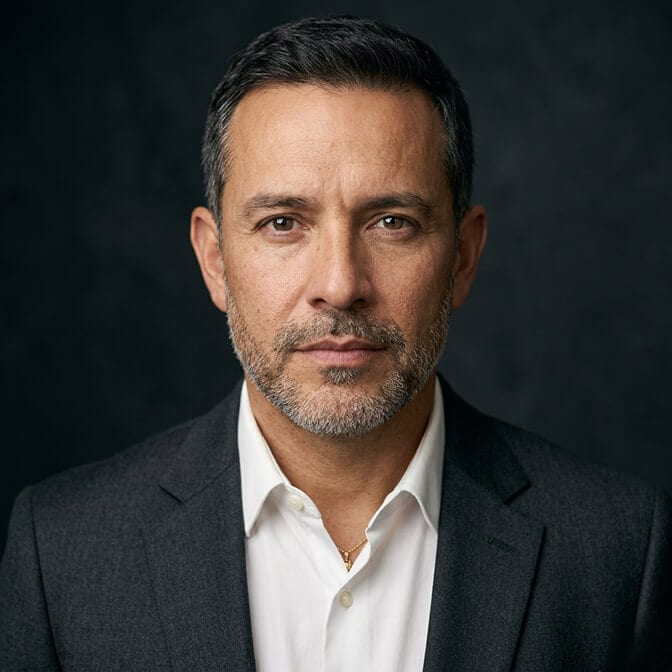
Senior and executive level. Your photo now functions as confirmation of credibility rather than evidence of it. Audiences looking at your profile have often already decided they're interested based on your record. The photo needs to match their expectation: someone who looks like they've been doing this for a while and is calm about it. Composed authority, natural warmth, no performance.
At every stage, the consistent element is currency. Your photo should represent who you are today, at your current professional level, not who you were at the time of your last session.
The Part About AI That Changes the Personal Brand Calculation
Stay with me here, because this is the strategic piece that most people miss when they think about AI headshots and personal branding.
The traditional approach to professional photos was project-based. You did a session. You used those photos for years. Then you did another session.
The AI approach enables a standing capability. You can update your headshot when your role changes, when your appearance changes, when your brand positioning shifts, or when you simply want to refresh. The cost and friction are low enough that this becomes a routine maintenance activity rather than a major production.
That shift, from periodic project to standing capability, changes how you think about your visual personal brand entirely. It stops being something you set up once and forget about. It becomes something you maintain, the same way you maintain your LinkedIn content or your website.
Professionals who treat their headshot as a standing capability rather than a periodic project will consistently have more current, more accurate, more strategically aligned photos than those who treat it as a once-every-few-years task.
Over a career, that difference compounds significantly.
For teams and organizations looking to apply this thinking at scale, the company headshots page at Headshot Photo shows how to build a standing headshot capability across an entire organization rather than running periodic all-hands photo days.
The UX Designer's Real Story
She updated her headshot on a Tuesday. By Friday, she had two recruiter messages.
She can't prove the photo caused it. But she told me something that's stuck with me since.
"I think what changed wasn't just what recruiters saw. It was what I felt when I shared my profile. The old photo made me hesitate. The new one made me want to put it in front of people."
That internal shift matters. Personal branding isn't just about what others perceive. It's about the confidence to put yourself in front of people in the first place. A headshot you're proud of makes you more likely to comment on posts, reach out to connections, share your work, and accept opportunities to be visible.
That behavioral change, the willingness to show up more consistently and confidently in professional spaces, is where the compound career growth comes from.
The headshot doesn't directly produce the job. It produces the confidence to pursue it.
Ready to create a professional headshot that you're actually proud to put in front of people? Get your professional headshot with Headshot Photo and see what a current, quality photo does for how you show up professionally.

Frequently Asked Questions
1. How do AI headshots improve personal branding in 2026?
AI headshots improve personal branding by making it practical and affordable to maintain a current, professional, consistent visual identity across all platforms. They produce studio-quality outputs from your own photos in hours rather than weeks, at a fraction of traditional photography costs. This removes the friction that leads most professionals to go years between headshot updates, which is the single most common personal brand photo failure. A well-made AI headshot that accurately represents your current professional self consistently improves LinkedIn visibility, recruiter response rates, and the overall trust impression your profile creates.
2. What career growth benefits come from having a professional headshot?
Research consistently shows that professional photos produce measurable career outcomes. Profiles with professional headshots receive 21 times more views and 36 times more messages from recruiters and peers. 44% of employers have hired someone specifically because of their strong personal brand presence, and 54% have rejected candidates due to poor online presence. A professional photo operates as your first impression in every recruiter search result, every profile visit, and every professional context where someone encounters your name, building or eroding trust before any other information is processed.
3. How often should I update my AI headshot for personal branding purposes?
Update every 2 to 3 years as a baseline, or whenever there is a meaningful change in your appearance or professional positioning. If you've changed your hair significantly, had a notable change in weight, moved to a different professional level, or your current photo is more than 3 years old, update immediately. AI headshots make this practical by removing the scheduling and cost barriers of traditional photography. Treating your headshot as a regular maintenance activity rather than a periodic project is the most effective personal branding approach.
4. Is an AI headshot professional enough to support serious career growth goals?
Yes. In blind recruiter studies, AI headshots from quality generators are rated as professional by 74% of evaluators and are preferred over traditional headshots in quality-blind comparisons 68% of the time. The photo production method matters far less than the quality and accuracy of the output. A professional-grade AI headshot that accurately represents your current appearance, uses appropriate wardrobe, and has correct lighting and background is fully appropriate for any career goal, including executive and senior leadership roles.
5. How does a consistent headshot across all platforms help career growth?
Cross-platform headshot consistency builds personal brand recognition that compounds over time. When someone encounters you on LinkedIn, then your company website, then a speaker bio, then a conference program, and sees the same quality, same professional standard, same face each time, each encounter reinforces the previous one. Trust accumulates. Recognition deepens. The impression of someone who manages their professional presence intentionally builds across every touchpoint simultaneously. This compounding effect is one of the most underrated drivers of long-term personal brand strength.