AI Headshots vs Traditional Photographers in 2026: An Honest Cost, Quality, and Time Comparison
The price gap is real. The quality gap has nearly closed. But the right answer still depends on who you are and what you need. Here's the full, unfiltered breakdown.
I paid $450 for a professional headshot session in 2022.
The photographer was good. The studio was clean. The lighting was well-set. I spent two and a half hours in a building downtown, including travel, and walked away with eight edited photos I was happy with.
Then I did the math.
Two and a half hours. Four hundred and fifty dollars. Eight photos.
That's $56 per photo. And that's before accounting for the scheduling call, the half day I blocked off, the dry cleaning for the jacket I wore, and the three weeks I waited for the retouched files.
I'm not complaining about the photographer. The results were genuinely professional. But when I looked at what AI headshots were producing by the time I ran that same exercise in 2025, I had a moment of genuine cognitive dissonance.
That's the same quality. Why did I spend 6 times more?
The honest answer is: because the tools weren't this good yet. In 2022, the AI headshot quality gap was real and visible. In 2026, for most professional use cases, it's largely closed.
But "largely closed" isn't "identical." And the right choice still depends on specifics that most comparison articles skip entirely.
Here's the full breakdown.
The Cost Comparison: 2026 Updated Numbers
Let's start with what's actually changed because the numbers look very different from even two years ago.
Traditional photography in 2026:
The national average for a professional headshot session in the US sits around $150 to $300 for a standard session, with premium photographers and major metro markets pushing $400 to $700 or more. Typically you receive 5 to 15 edited final images. That works out to roughly $30 to $100 per usable headshot depending on the package.
Beyond the session fee, there are real hidden costs that almost nobody accounts for: travel time to the studio, lost work hours during the session, dry cleaning or outfit preparation, any makeup or grooming costs, and the coordination time with the photographer's scheduling. Add these up for a typical professional and the total real cost of a traditional headshot session is often $400 to $700 even when the photographer's fee is on the lower end.
AI headshots in 2026:
Quality AI headshot generators typically run $29 to $79 for a one-time session producing 40 to 200 headshots. The session takes 10 to 30 minutes of your time at home or wherever you happen to be. Results arrive in 30 minutes to 3 hours. No travel. No scheduling. No hidden costs.
The cost per usable headshot from AI: roughly $0.50 to $3.00 depending on the tool and how many outputs you actually use. That's a 10 to 100 times cost advantage compared to traditional photography.
The math isn't close anymore. In 2026, the question is never purely about price. It's about whether the quality and authenticity gap justifies a 10x cost difference for your specific use case.
The Quality Comparison: Where the Gap Actually Stands
Here's the part that has genuinely shifted since 2022, and it's worth being specific rather than vague.
Where AI headshots now match traditional photography:
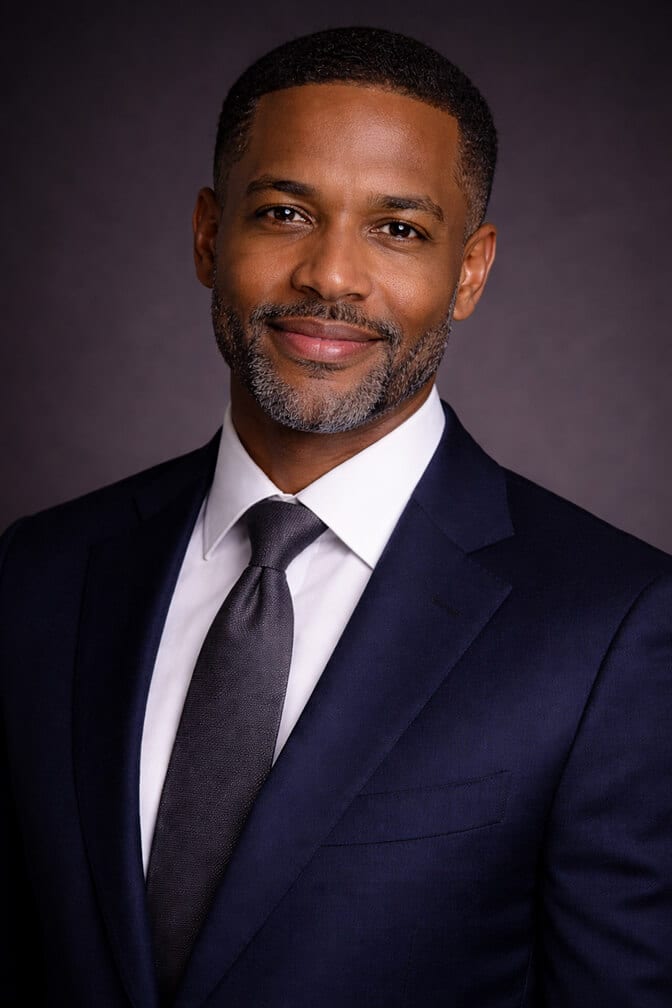
For standard professional use cases including LinkedIn profiles, company website team pages, conference speaker bios, email signatures, and business directory listings, quality AI headshots from reputable generators are now genuinely comparable to mid-range professional photography. The lighting simulation, skin rendering, and overall finish have improved dramatically.
The specific markers of quality that were failing three years ago, plastic skin, eye artifacts, hair edge problems, and lighting that didn't follow physics, have been largely addressed in top-tier AI headshot tools. Less than 1% of users in independent surveys report obvious AI artifacts in outputs from well-regarded generators.
Where traditional photography still has an edge:
Three specific contexts stand out where the traditional photographer advantage remains meaningful.
Executive and C-suite portraits for high-visibility contexts. When a photo will appear in press coverage, board materials, investor decks, or on stages at major conferences, the stakes justify the premium. A skilled photographer can also coach real-time expression and capture moments of genuine presence that input photos for AI generators often don't.
Contexts requiring specific creative or environmental direction. If you need a headshot in a specific location (your actual office, a recognizable landmark, an industry-specific environment), or with specific creative direction that goes beyond standard studio style, a traditional photographer is the right tool.
High-trust regulated industries with authenticity requirements. Some contexts require photos that are verifiably real. As covered in the evolving corporate policy conversation, certain legal, financial, and healthcare organizations have specific requirements about AI-generated imagery. Traditional photography removes any compliance question entirely.
The honest quality verdict: For 80 to 90% of professional headshot use cases, AI headshots in 2026 deliver fully professional quality at a fraction of the cost. The remaining 10 to 20% represents genuinely specialized needs where traditional photography still adds meaningful value.
The Time Comparison: The Gap Nobody Talks About
Cost comparisons dominate the AI vs. traditional headshot conversation. The time comparison is at least as important and almost never gets the attention it deserves.
Traditional photography timeline:
Finding and vetting a photographer: 30 to 60 minutes. Scheduling back and forth: 15 to 30 minutes. Preparation (outfit selection, grooming, travel planning): 30 to 60 minutes. The session itself including travel: 2 to 4 hours. Waiting for edited files: 1 to 4 weeks. Total active time investment: 4 to 7 hours. Total elapsed time from decision to delivered photos: 1 to 4 weeks.
AI headshot timeline:
Choosing a tool: 15 to 30 minutes. Shooting input photos: 15 to 30 minutes. Upload and processing: 30 minutes to 3 hours. Selecting outputs: 15 to 30 minutes. Total active time investment: 1 to 2 hours. Total elapsed time from decision to delivered photos: same day.
For professionals with demanding schedules, the time advantage of AI headshots is often more compelling than the cost advantage. Blocking four to six hours for a traditional headshot session is a significant calendar commitment. A same-day AI headshot session fits between meetings.
For teams, the time gap multiplies dramatically. A 50-person company coordinating a traditional photo day loses 150 to 300 person-hours across the organization, including admin coordination, individual session time, and editing wait time. An AI headshot program for the same team takes 30 minutes per person of active time and delivers results within hours.
The Authenticity Question: What Most Comparisons Skip
Here's the dimension that makes the AI vs. traditional comparison genuinely nuanced rather than a simple numbers exercise.
A traditional photograph is a real photograph of you. An AI headshot is a generated image trained on your photos. Both can look identical in most professional contexts. But they are fundamentally different things, and that difference matters in specific situations.
The practical authenticity question is the video call test. When someone sees your headshot and then meets you on a video call, does recognition happen immediately? A well-made AI headshot that accurately represents your current appearance passes this test cleanly. An AI headshot that has drifted from your actual appearance, through over-processing, identity averaging, or simply using a low-quality generator, fails it.
The identity accuracy issue is the specific area where AI headshots can fail in ways traditional photography rarely does. A skilled photographer produces a photo of you. A poorly configured or low-quality AI generator can produce someone adjacent to you. That distinction is the entire authenticity argument, and it's valid when the tool or the inputs are poor.
Quality AI headshot generators trained specifically on professional portrait photography with identity preservation as a design goal produce outputs that consistently pass the video call test. The issue is not inherent to AI headshots as a category. It's specific to low-quality tools and poor input strategies.
The Decision Framework: Who Should Choose What
Here's the honest guide for making the right choice for your specific situation.
Choose AI headshots if:
You need a headshot this week for a standard professional context (LinkedIn, company bio, speaker page, business directory). You need a library of headshots across multiple backgrounds and styles rather than a handful of finals. You're updating your headshot regularly and don't want a high-cost, high-logistics process every time. You're managing team headshots across a distributed organization. Your budget is meaningfully limited and traditional photography would require a trade-off you don't want to make.
Choose traditional photography if:
You're in an executive or C-suite role where your photo will appear in press coverage, investor materials, or high-visibility public contexts. Your industry or company has specific policies around AI-generated imagery. You need photos taken in a specific location or environment that requires physical presence. You're an actor, public figure, or anyone whose headshot is subject to unusually high scrutiny for authenticity. You want the specific value of a skilled photographer coaching your expression and capturing genuine moments in real time.
The hybrid approach that most professionals land on:
Use AI headshots for the standard professional contexts that account for 90% of your headshot usage. Invest in a traditional session for the specific high-stakes contexts where the additional quality and authenticity of real photography justifies the cost. Many professionals find that AI headshots serve them perfectly for everyday professional needs, while they invest in traditional photography for major career milestones, significant promotions, or industry-specific requirements.
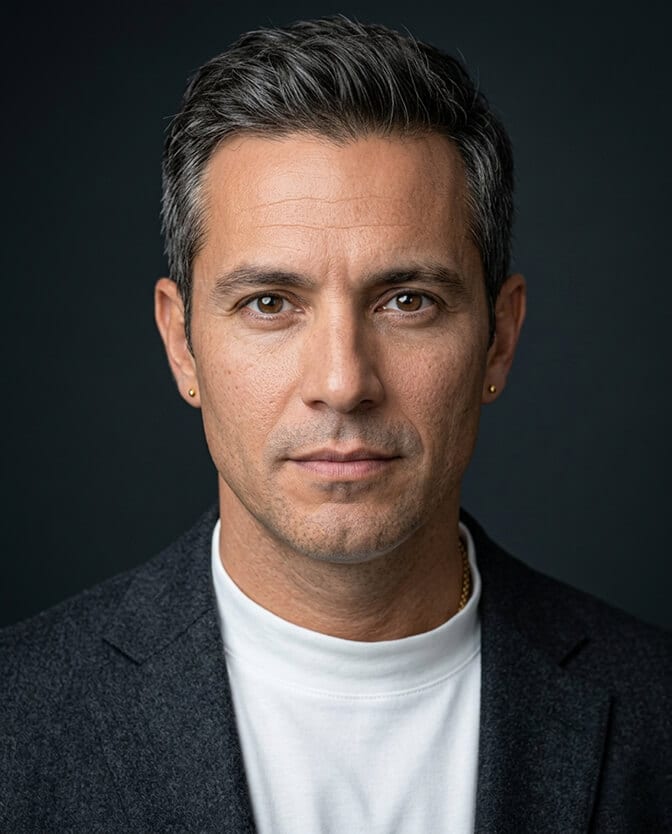
If you want to see what a quality AI headshot output looks like across multiple professional contexts before making your decision, browse professional headshot examples from Headshot Photo and apply your own quality standard to what you see.
The Variety Advantage That Changes the Calculation
Here's the comparison dimension that almost nobody includes but that changes the math significantly.
A traditional headshot session typically delivers 5 to 15 edited final images. All from one lighting setup, one background, one wardrobe choice, one session. If you need a dark background for your company website and a lighter one for your personal LinkedIn, you're either choosing one or booking two sessions.
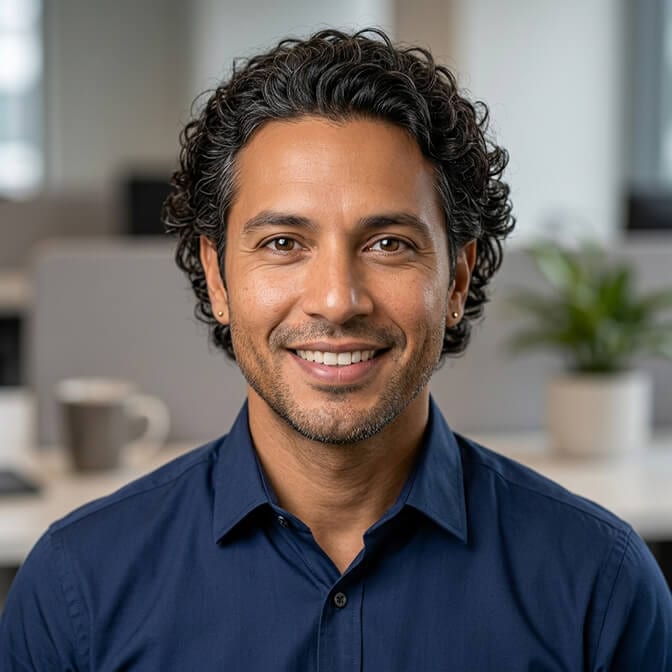
A quality AI headshot session typically delivers 40 to 200 images across multiple backgrounds, lighting styles, and crop variations. All from one upload. You can select the tight crop for LinkedIn, the wider shot for your website About page, the darker background for the corporate directory, and the warmer version for your personal brand.
For professionals managing a headshot library across multiple platforms and contexts, this variety advantage often represents more value than the cost savings alone. The ability to maintain a consistent visual identity with different variants for different contexts, without booking multiple sessions, is a genuine structural advantage.
The Honest Verdict for 2026
The question I get asked most often is: "Which is better, AI or traditional?"
That's the wrong question. The right question is: "Which is better for this specific person, in this specific context, at this specific moment in their career?"
For most professionals updating a LinkedIn photo, adding a headshot to a speaker bio, refreshing a company team page, or simply needing a professional photo that looks current and accurate, AI headshots in 2026 are the clear answer. The cost advantage is 10x or more. The time advantage is significant. And the quality gap that justified the premium cost of traditional photography three years ago has largely closed for standard professional use.
For executives going on press tours, professionals in regulated industries with AI restrictions, and anyone who needs the specific value of real-time expression coaching and a verifiably real photograph, traditional photography still earns its premium.
The data supports a hybrid strategy for most people: AI for the everyday professional contexts that make up 90% of your headshot usage, traditional photography for the high-stakes milestone moments where the additional value is genuinely meaningful.
When you're ready to see what the AI option produces for your specific face and professional context, get your professional headshot with Headshot Photo and compare the output quality against your own standards before deciding.
For teams comparing the enterprise options specifically, the company headshots page at Headshot Photo covers the team use case in more detail including how consistent output standards work at scale.
Frequently Asked Questions
1. What is the cost difference between AI headshots and a traditional photographer in 2026?
Traditional professional headshot sessions cost $150 to $450 on average in 2026, delivering 5 to 15 edited final images. AI headshot generators cost $29 to $79 for 40 to 200 images, with no additional costs for travel, scheduling, or session coordination. The per-image cost advantage of AI headshots is 10 to 100 times depending on the comparison. When you factor in the real total cost of traditional photography (travel time, prep time, waiting time for delivery), the practical cost gap is even larger.
2. How does AI headshot quality compare to traditional photography in 2026?
For standard professional contexts (LinkedIn, company websites, speaker bios, professional directories), quality AI headshots from reputable generators are now largely indistinguishable from mid-range professional photography. The quality gap that was clearly visible in 2022 and 2023 has substantially closed for top-tier AI tools. Traditional photography retains a meaningful advantage for executive portraits in high-visibility contexts, photos requiring specific locations or creative direction, and situations where a verifiably real photograph is required.
3. How long does it take to get AI headshots vs. working with a traditional photographer?
AI headshots take 1 to 2 hours of active time from input photo session to selecting your final outputs, with results typically delivered within 30 minutes to 3 hours. A traditional photography session involves 4 to 7 hours of active time including scheduling, preparation, travel, and the session itself, with edited files delivered 1 to 4 weeks later. For professionals who need a headshot quickly and can't block a significant portion of a workday, the time advantage of AI is often more compelling than the cost advantage.
4. Is an AI headshot good enough for a C-suite executive or senior leader in 2026?
It depends on how the photo will be used. For standard professional contexts (LinkedIn, company website team page, internal directory), quality AI headshots are fully appropriate at any professional level. For high-visibility contexts like press coverage, investor materials, board presentations, or situations where the photo will receive unusual scrutiny, traditional photography is still the safer and more defensible choice. Many executives use AI headshots for standard professional use and traditional photography for milestone or high-visibility contexts.
5. Can AI headshots fully replace traditional photography for team headshots in 2026?
For most distributed and remote teams, yes. AI headshot programs deliver consistent quality across all team members regardless of location, handle new hires in hours rather than weeks, and cost a fraction of coordinating traditional photo sessions across multiple offices. For teams in regulated industries with AI-specific policies, or where client-facing authenticity requirements make real photography preferable, a combination approach or traditional virtual photography may be more appropriate. The team use case is where AI headshots have their clearest practical advantage over traditional methods.