Future-Proof Your Profile: Why Updating Your Headshot in 2026 Matters More Than Ever
Your LinkedIn photo is a visibility lever, a trust signal, and an algorithmic asset. Most professionals treat it like a formality. Here's what it's actually doing, and why 2026 is the year to get it right.
She sent me her LinkedIn analytics without any context.
Profile views: up 340% over the previous thirty days. Connection requests: up from an average of three per week to fourteen. Three recruiter messages in the same period, where she'd had zero in the previous six months.
I looked at her profile. Nothing had changed except one thing.
Her photo.
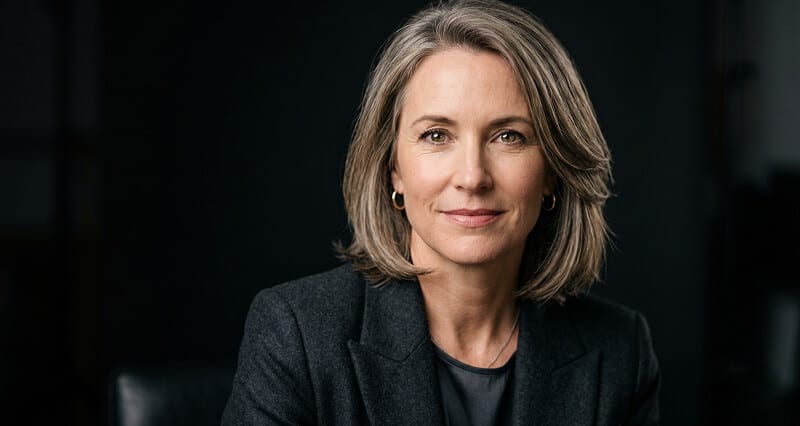
She'd updated it two weeks before the data started shifting. New headshot. Current appearance. Professional lighting, clean background, direct eye contact, right expression for her industry. The kind of photo that stops you for a quarter of a second when you scroll past it rather than disappearing into the visual noise.
She hadn't changed her headline. Hadn't rewritten her summary. Hadn't posted more content or engaged with more people.
Just the photo.
"I know it sounds ridiculous," she wrote, "but I think it was the picture."
It wasn't ridiculous. The data has been saying this for years, and in 2026 the case has only strengthened. Your headshot is doing more work than you're giving it credit for. And if it's out of date, it's costing you more than you realize.
What "Future-Proof" Actually Means for a Profile Photo
Let's establish what we mean by this, because "future-proof" gets used loosely.
A future-proof LinkedIn headshot is one that works across every professional context where you appear, that accurately represents who you are right now, that meets the visual standards your professional audience is currently calibrated to, and that doesn't require you to apologize for it when someone asks for your bio photo.
Here's the problem. The professional photo standards that were acceptable in 2020 look different from what reads as professional in 2026. The corporate stiffness of white backdrops and squared-up suit poses has given way to something warmer and more intentional. Softer directional light. Darker, richer backgrounds. Natural skin texture rather than heavy smoothing. An expression that looks like a person rather than a performance.
A photo that was excellent in 2020 may now read as slightly dated. Not dramatically. Not in a way that makes someone consciously think "this photo is old." But in a way that creates a small friction, a slightly stale quality that registers subconsciously before anyone has decided what they think of you.
Your headshot has an expiration date that most people don't check until it's already past. The problem is that headshots don't announce when they've expired. They just quietly stop working as well as they used to.
The LinkedIn Algorithm Dimension Nobody Talks About
Here's the part that changes the conversation from "looking good" to "strategic career move."
When you update your LinkedIn profile photo, LinkedIn treats it as a profile activity signal. The algorithm temporarily boosts your visibility in search results, in "People You May Know" suggestions, and in the feeds of your first-degree connections. Professionals who update their photo alongside a career milestone see up to 3 times higher network engagement in the weeks following the update.
That makes a refresh cheap to act on. A profile picture maker will recrop and clean up a photo you already have, so an update does not have to wait on a new shoot.
This isn't a minor effect. It's a meaningful algorithmic window that opens every time you make a profile change. Most people leave it closed for years.
The strategic implication is direct. Updating your headshot isn't just about looking more professional. It's about activating a visibility mechanism that LinkedIn has built into its platform. The update creates a notification that surfaces you to your network. The new photo creates a better first impression for everyone who clicks through. The combination produces exactly the kind of engagement spike the analytics showed in the example above.
The right timing for a headshot update multiplies its value. Update when you take a new role. Update when you earn a significant certification. Update at the beginning of an active job search. Update at the start of a new business initiative. These moments are when professional visibility matters most, and they're exactly when a headshot update produces the maximum algorithmic lift.
The people who understand this treat their LinkedIn photo as an active career tool rather than a passive profile element. The people who don't are leaving a meaningful lever unpulled.
The First Impression Numbers (And Why They're Higher Than You Think)
Most professionals have heard some version of the LinkedIn headshot statistics. But hearing them abstractly and understanding what they mean specifically for your profile are different things.
Profiles with professional photos receive 21 times more views than those without. Not 21% more. 21 times. This is the difference between being found and being essentially invisible in LinkedIn search results.
Profiles with professional headshots receive 9 times more connection requests and 36 times more messages. These are inbound contacts from recruiters, potential clients, collaborators, and peers, arriving without you doing anything except having the right photo in the right place.
86% of recruiters form an opinion about a candidate within the first few seconds of viewing their profile. Their eyes go to the photo first, before the headline, before the summary, before any of your experience. An eye-tracking study found that recruiters spend 19% of their total LinkedIn viewing time looking at the profile photo alone. Nearly a fifth of their total attention on your profile goes to a small circle in the upper left corner.
67% of recruiters say they won't message candidates with unprofessional profile photos. Not "might not." Won't. That's not a preference. That's a filter you're either passing or failing before any of your qualifications get evaluated.
This is what a headshot update in 2026 is actually doing. It's not cosmetic maintenance. It's opening and closing a series of professional doors that operate invisibly, in ways you'll never directly see.
The Seven Triggers That Tell You It's Time
Here's a specific framework for knowing when your headshot has moved past its useful life.
Your appearance has changed meaningfully. Different hair length or color. Significant change in weight. New glasses. Beard grown or removed. Visible aging that creates a recognition gap between the photo and your current face. Any of these is sufficient.
Your photo is more than two to three years old. Even without significant appearance changes, professional headshot standards shift. A photo from 2022 may meet 2022 standards while falling behind 2026 ones.
Your professional positioning has changed. You've taken a new senior role. You've moved industries. Your target audience has shifted. The version of you in the photo may no longer match the professional level you're currently presenting.
You hesitate before sharing it. This is the most reliable personal signal. When someone asks for your bio photo and your first instinct is to search for something better, your headshot has stopped working for you.
Your appearance in the photo doesn't match how you look on video calls. If there's an adjustment moment when someone transitions from your profile to a Zoom call, the trust signal breaks before the conversation has started.
Your photo doesn't look like photos at your professional level in your industry. Look at the headshots of people you consider peers or aspirational colleagues. If your photo is clearly from a different era or different quality tier, it creates a positioning mismatch.
You're entering an active professional season. Job search. New business launch. Conference season. Any period when professional visibility matters more than usual is a good reason to ensure your headshot is current.
Why 2026 Is Specifically the Right Time
Stay with me here, because this isn't just generic "you should update your headshot" advice.
Three things have converged in 2026 that make this moment specifically significant.
The AI headshot quality threshold has been crossed. For the first time, the quality gap between AI-generated headshots and traditional photography has narrowed to the point where the difference is imperceptible for most professional contexts. 73% of recruiters in blind studies cannot distinguish between high-quality AI headshots and traditionally photographed ones. This means updating your headshot now is dramatically cheaper and faster than it's ever been at any previous moment.
LinkedIn's algorithm has shifted toward interest-based distribution. In 2026, LinkedIn is showing content and profiles to people who don't yet follow you, based on shared professional interests. This means your profile is appearing in front of strangers at a higher rate than before. Those strangers are making their first impression of you based on your photo, more frequently than at any previous point in the platform's history. A stale headshot is costing you in an expanding audience of cold first impressions.
The visual literacy of professional audiences has increased. The professionals who view your profile in 2026 have seen more AI-generated content, more professional photography, and more high-quality headshots than at any previous point. They're better at recognizing what looks current and professional versus what looks dated or low-quality. The bar for "good enough" has moved up.
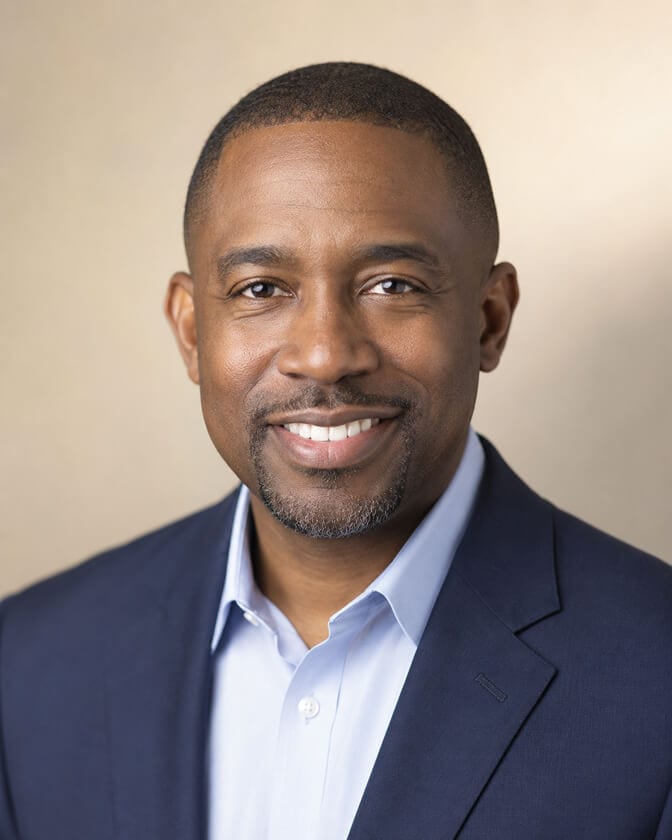
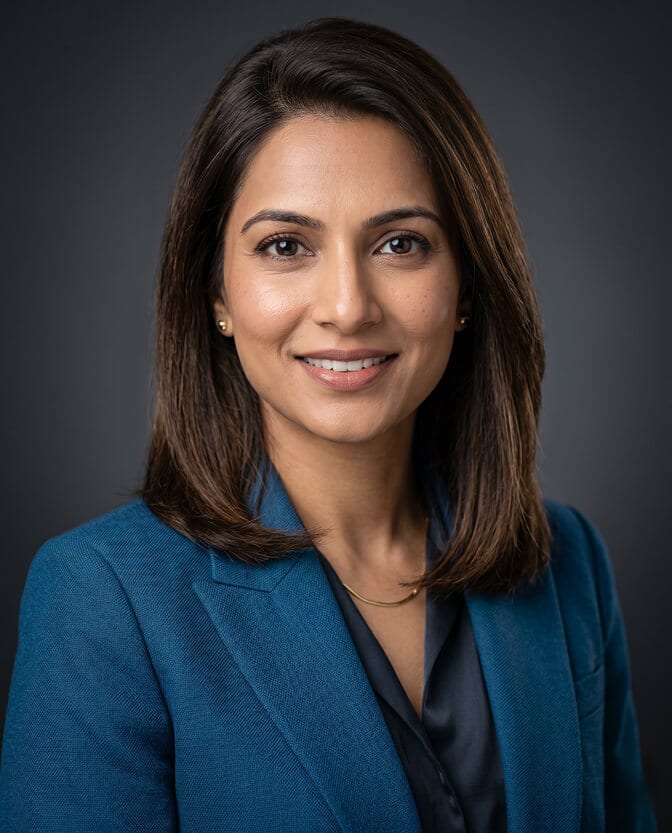
If you want to see what a current, 2026-standard professional headshot looks like before generating your own, browse professional AI headshot examples from Headshot Photo across different industries and demographics.
The Compound Value of a Consistently Updated Photo
Here's the long-term argument for treating your headshot as a maintained asset rather than a one-time project.
Every professional opportunity that arrives through digital channels starts with someone seeing your photo. Recruiter who finds you in a search. Potential client who checks your LinkedIn before responding to your email. Conference organizer reviewing speaker applications. Collaborator deciding whether to reach out. Each of these interactions starts with a visual impression that your photo either gets right or gets wrong.
Over a career, the number of these micro-interactions is enormous. Each one is a decision point where your headshot is either helping or hurting. The cumulative effect of having the right photo in these moments, consistently over years, compounds in ways that are hard to quantify but very real.
The professionals who maintain their headshots as a standing priority, updating every two to three years or at significant career moments, consistently look more current, more credible, and more attentive to their professional presence than those who update once a decade when someone finally says something.
The cost of maintaining that standard has dropped dramatically with AI headshot tools. A session that used to require scheduling, travel, a photographer, and several hundred dollars now requires an afternoon and a fraction of that cost.
The barrier to having a great headshot in 2026 is essentially zero compared to what it was three years ago. The reason to do it has only gotten stronger.
For teams and organizations where multiple people need current headshots simultaneously, the company headshots page at Headshot Photo shows how to bring an entire team's visual standard up to date without the logistics of coordinating traditional photography sessions.
The Part That's Easy to Miss
She followed up a month after sending me those analytics.
She'd gotten a call from a recruiter for a role she hadn't applied for. The recruiter had found her in a search. They'd reached out because her profile looked active and current. She was now in final conversations for a position that represented a meaningful step up.
"I updated my picture and everything shifted," she said. "I know that's not the whole story, but it was the thing that started the chain."
That's what a headshot update actually does in 2026. It doesn't directly produce the opportunity. It starts the chain. It makes you findable when you weren't being found. It makes the first impression accurate when it was creating cognitive dissonance. It activates an algorithmic window that surfaces you to people who would otherwise scroll past.
The headshot is the smallest investment with the most consistent return in professional branding. The barrier to making that investment has never been lower.
When you're ready to update, create your professional headshot with Headshot Photo and see what a current, accurate, professionally rendered photo does for how you show up in 2026.


Frequently Asked Questions
1. Why does updating your headshot in 2026 matter more than in previous years?
Three specific factors make 2026 a particularly important moment for headshot updates. First, LinkedIn's algorithm has shifted toward interest-based distribution, meaning profiles appear to strangers at a higher rate than before, making first impressions from your photo more frequent. Second, AI headshot quality has crossed a threshold where professional-grade results are achievable at a fraction of traditional photography costs, removing the financial barrier to updating. Third, professional audiences have grown more visually literate and better at recognizing dated headshot styles, raising the standard for what reads as current.
2. How does a LinkedIn headshot update affect profile visibility and recruiter engagement?
Updating your LinkedIn profile photo triggers an algorithmic signal that temporarily boosts your visibility in search results, people suggestions, and network feeds. Professionals who update their photo alongside a career milestone see up to 3 times higher network engagement in the following weeks. Beyond the algorithmic boost, profiles with professional photos receive 21 times more views, 9 times more connection requests, and 36 times more recruiter messages than those without. The headshot update is both a quality signal and an algorithmic lever.
3. How often should I update my professional headshot to keep my profile future-proof?
Every 2 to 3 years as a baseline, or whenever one of seven triggers applies: meaningful appearance change, professional positioning shift, photo older than three years, hesitation before sharing the current photo, appearance mismatch with video calls, photo out of step with your professional tier, or entering an active professional season like a job search or new business launch. With AI headshot tools removing the cost and scheduling barriers of traditional photography, updating more frequently when circumstances warrant is now practical rather than aspirational.
4. Is an AI headshot current and professional enough for a 2026 LinkedIn update?
Yes, for most professional contexts. 73% of recruiters in blind studies cannot distinguish between high-quality AI headshots and traditionally photographed ones, and in controlled comparisons recruiters actually preferred AI-generated headshots in quality-blind tests. The critical variable is not whether the photo was produced by AI but whether it accurately represents your current appearance and meets professional quality standards. A quality AI headshot that passes the video call recognition test is fully appropriate for LinkedIn, company websites, speaker bios, and most professional applications in 2026.
5. What is the most important thing to get right when updating a professional headshot?
Accuracy and currency. The most impactful update is one where the photo looks like you today, at your current professional level, in a way that someone meeting you on a video call would immediately recognize. More important than any specific background color, expression choice, or wardrobe decision is whether the headshot creates or eliminates the recognition gap between your online presence and your real-world appearance. All other quality elements (lighting, composition, expression) serve this primary goal of accurate current representation.