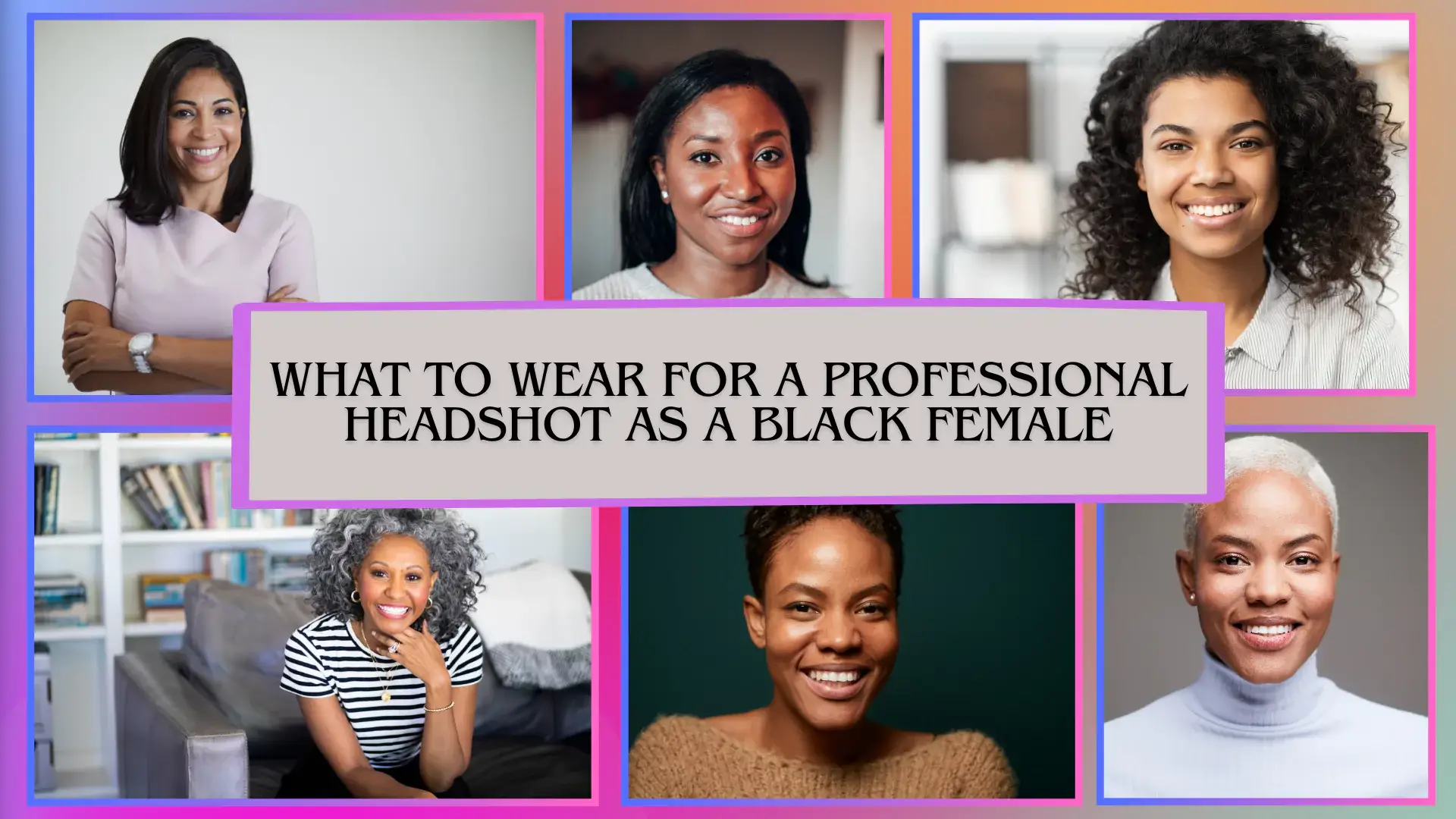
The short answer: wear a well-fitted top or blazer in a solid colour that suits your undertone. Jewel tones (emerald, sapphire, cobalt, ruby) flatter most deep and medium skin, while cream, camel and soft grey work better than stark white or neon. Style your hair however you wear it to work, natural or protective, as long as it is fresh at the edges. Use a foundation without SPF and a flashback-free powder, and keep jewellery to one focal piece.
The rest of this guide goes into each of those in more detail: colours by undertone, cuts and fits, hair, makeup and lighting for melanin-rich skin, accessories, and what to leave at home.
Best Colours for Dark and Medium Skin Tones
Colour does more work in a headshot than in real life, because it sits right next to your face and the camera exaggerates contrast. Start with your undertone, then pick from the matching column.
How to find your undertone. Look at the veins on your inner wrist in daylight. Green-leaning veins usually mean warm, blue or purple mean cool, and a mix means neutral. Another check: if gold jewellery makes your skin glow, you are probably warm; if silver does, probably cool.
| Undertone | Colours that flatter | Use with care |
|---|---|---|
| Warm | Mustard, olive, burnt orange, terracotta, camel, warm red | Icy pastels, cool grey |
| Cool | Cobalt, sapphire, emerald, plum, fuchsia, true red | Orange, mustard, khaki |
| Neutral | Most jewel tones, teal, burgundy, navy, chocolate, soft grey | Very washed-out pastels near the face |
Jewel tones are the safest bet for almost everyone. Royal blue, emerald, deep purple, ruby and sapphire are saturated enough to stand up to rich skin without overpowering it. They also read as confident and senior, which is why they work for corporate, legal and leadership headshots.
Earth tones for a warmer, more approachable feel. Mustard, olive, burnt orange and chocolate brown are particularly good on warm undertones and suit creative, wellness and consulting profiles.
Soft neutrals instead of stark white. Bright white can bounce light onto your face and push the camera to underexpose your skin, which flattens detail. Cream, ivory, camel and beige give the same clean look without the glare.
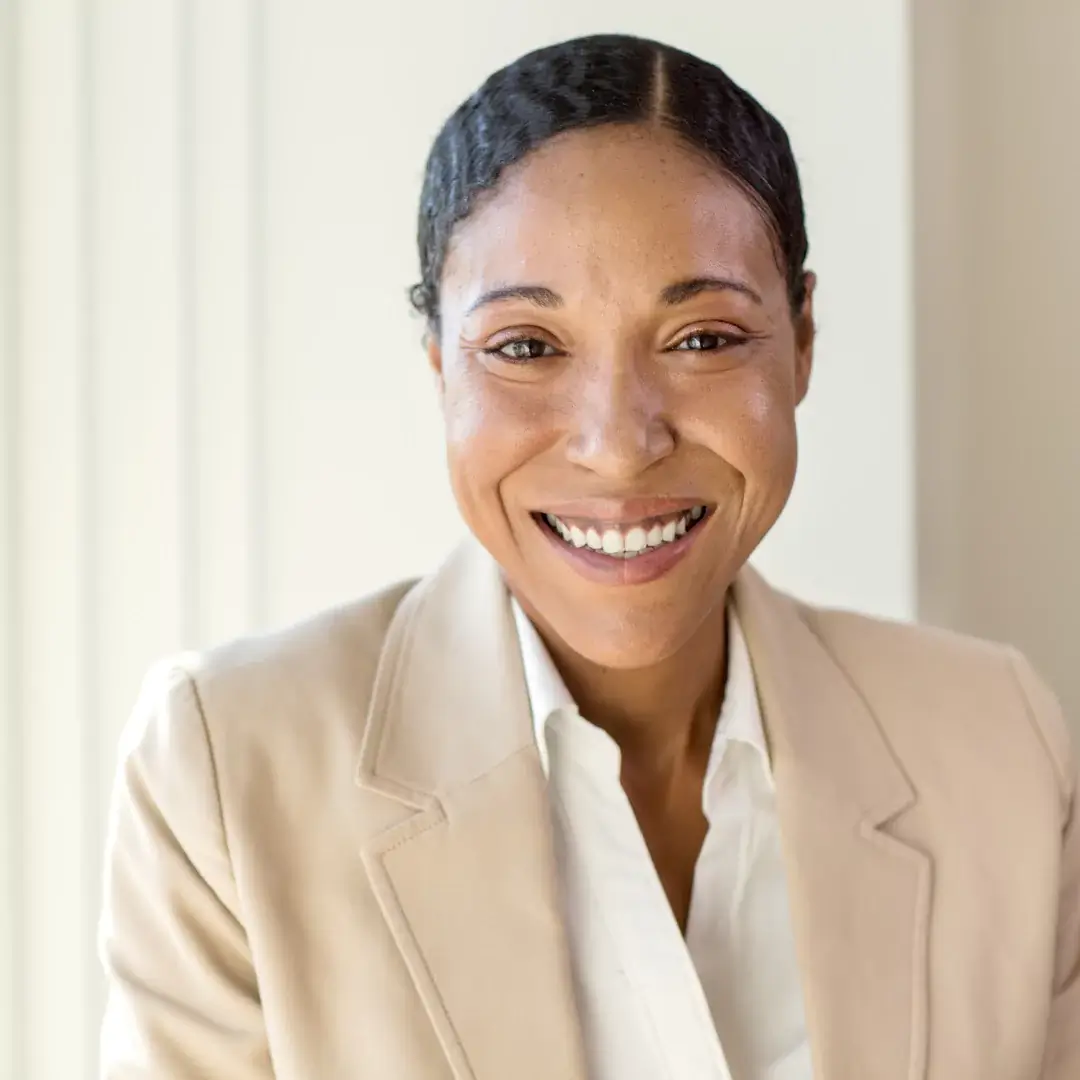
Skip neon. Neon yellow, green and pink cast colour back onto the skin and pull focus from your face.
For more outfit ideas that work across industries, see our guide to the best outfits for headshots.
Neutrals and Patterns
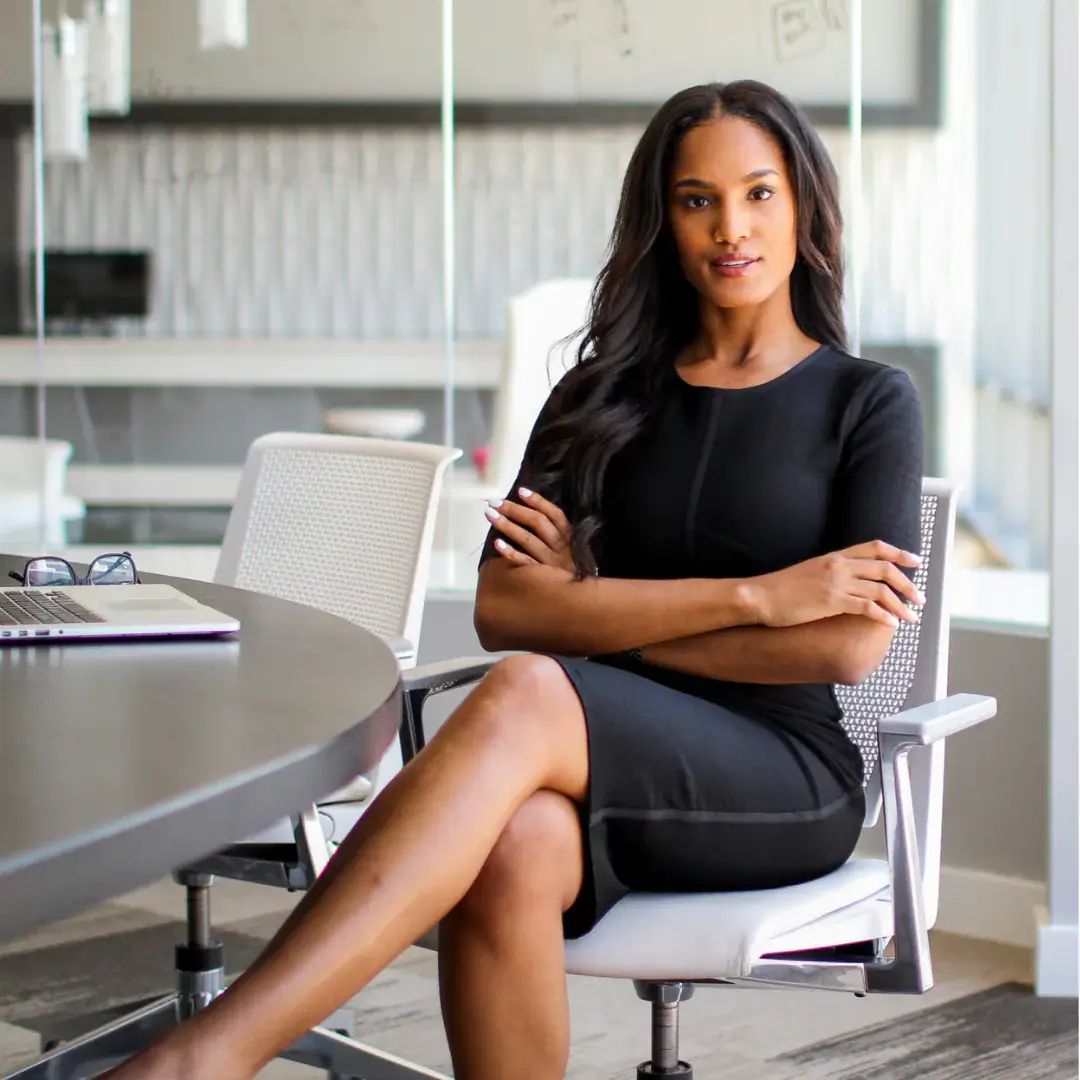
Black is sleek and authoritative, and it works well on deep skin as long as the lighting is good enough to separate you from the outfit. Navy and charcoal give a similar effect with a little more softness. Grey is approachable and pairs with almost any accent colour.
Solid colours are the safest choice. If you want a pattern, keep it small and low-contrast (a fine pinstripe or a subtle texture) and balance it with a solid blazer. Large prints and loud stripes can clash with the background and look busy at thumbnail size.
Fit and Necklines
Even the best colour looks wrong if the fit is off. Tailored pieces are your friend: a blazer that sits neatly on the shoulders, a blouse that does not pull at the buttons, a dress that skims rather than clings.
- Too loose reads as shapeless and can add bulk on camera.
- Too tight creates pulling and creases, especially when you sit or turn.
- Steam everything. Wrinkles show up far more in a photo than in a mirror.
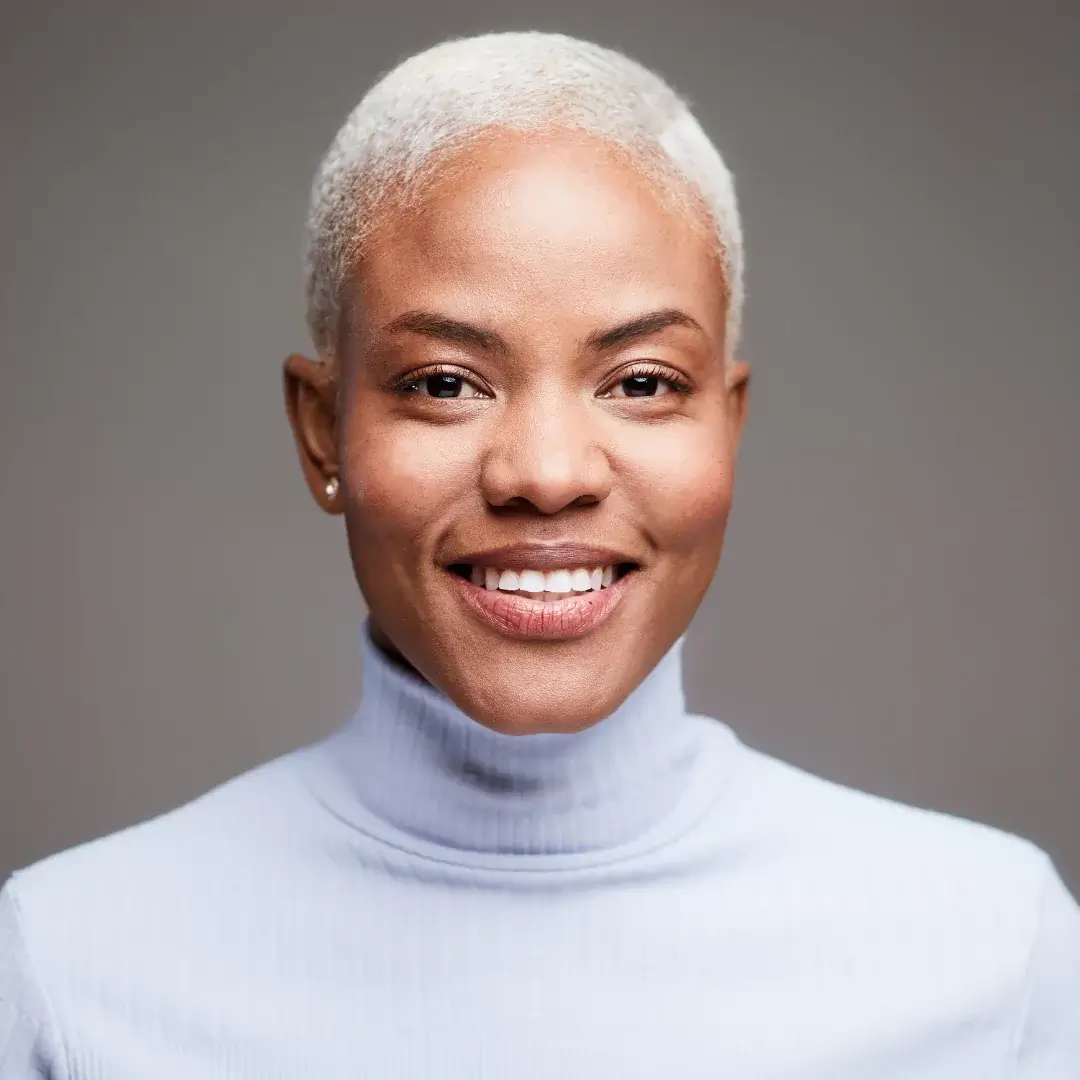
Necklines. V-necks and scoop necks draw the eye up to your face and lengthen the neck. Open collars and a blazer over a shell are classic and work in almost every industry. Crew necks are fine but can make the neck look shorter. Turtlenecks look polished in cooler months; just choose one that is not too snug.
If the photo is for LinkedIn or another site that crops to a circle, avoid strapless or off-the-shoulder tops, which can read as bare once the crop cuts off the neckline.
Black Women's Hairstyles for Professional Headshots
The best hairstyle for your headshot is the one you actually wear to work, because the photo should look like the person who turns up to the meeting. Whatever you choose, the camera rewards three things: neat edges, a defined shape, and moisture rather than frizz.
Natural Hair

- Afros and twist-outs. Shape evenly with a pick or your fingers the morning of the shoot, and add a light leave-in or sheen spray so the hair looks healthy rather than dry under light.
- Wash-and-go curls. Refresh with water and a curl cream; a diffuser helps define the shape. Check the outline from both sides, since the camera often catches one side flatter than the other.
- Locs. Long, short, or in an updo, locs photograph beautifully. Moisturise a day or two before, retwist the roots if they are due, and tame frizz with a little gel or oil.
- Sleek buns and puffs. A great option if you want your face to be the whole focus. Smooth your edges, but keep it soft rather than plastered.
Protective Styles
Box braids, knotless braids, twists, faux locs, wigs and sew-ins are all professional, and they are increasingly protected from workplace discrimination under laws like the CROWN Act in many US states. A few practical tips:
- Braids and twists. Get them done within a week or two of the shoot, or have the edges and parting refreshed. Neat parts show up clearly on camera.
- Wigs. Make sure the cap fits and the hairline is blended and plucked to look natural. Style it a day ahead so it has time to settle.
- Sew-ins and extensions. Hide tracks and blend leave-out so the texture matches. Ask your stylist to check the crown and the back, which you cannot see in the mirror.

Silk Press, Relaxed and Straightened Hair
Aim for volume and soft shine. A round brush during blow-drying, or loose curls with a curling iron, gives lift at the roots. Use a lightweight serum rather than heavy oils, which can look greasy under lights, and a light mist of hairspray to hold flyaways. If you are getting a silk press, book it a day or two before the shoot so it has time to fall naturally.
If you are not sure what will suit your face shape or the tone of the shoot, ask your stylist. Many can also do a touch-up on the day.
Makeup Tips for Melanin-Rich Skin
Makeup is optional, but a little goes a long way on camera. The goal is to look like yourself on a good day, with even skin and controlled shine. Our general guide to makeup for headshots covers the basics; these tips are specific to deep and medium skin.
Foundation and Skin Prep
- Match your undertone, not just your depth. Deep skin can be warm, cool, neutral or olive. Swatch on your jawline in daylight, and pick a shade that disappears into your neck.
- Prep for the camera. Cleanse and moisturise. Use a mattifying primer on your T-zone if you get oily, or a hydrating primer if your skin is dry, so foundation does not look cakey.
- Contour softly, highlight subtly. A contour one or two shades deeper than your skin adds definition to cheekbones and jaw. A warm gold or bronze highlighter flatters deep skin; skip chunky glitter, which reads as shine on camera.
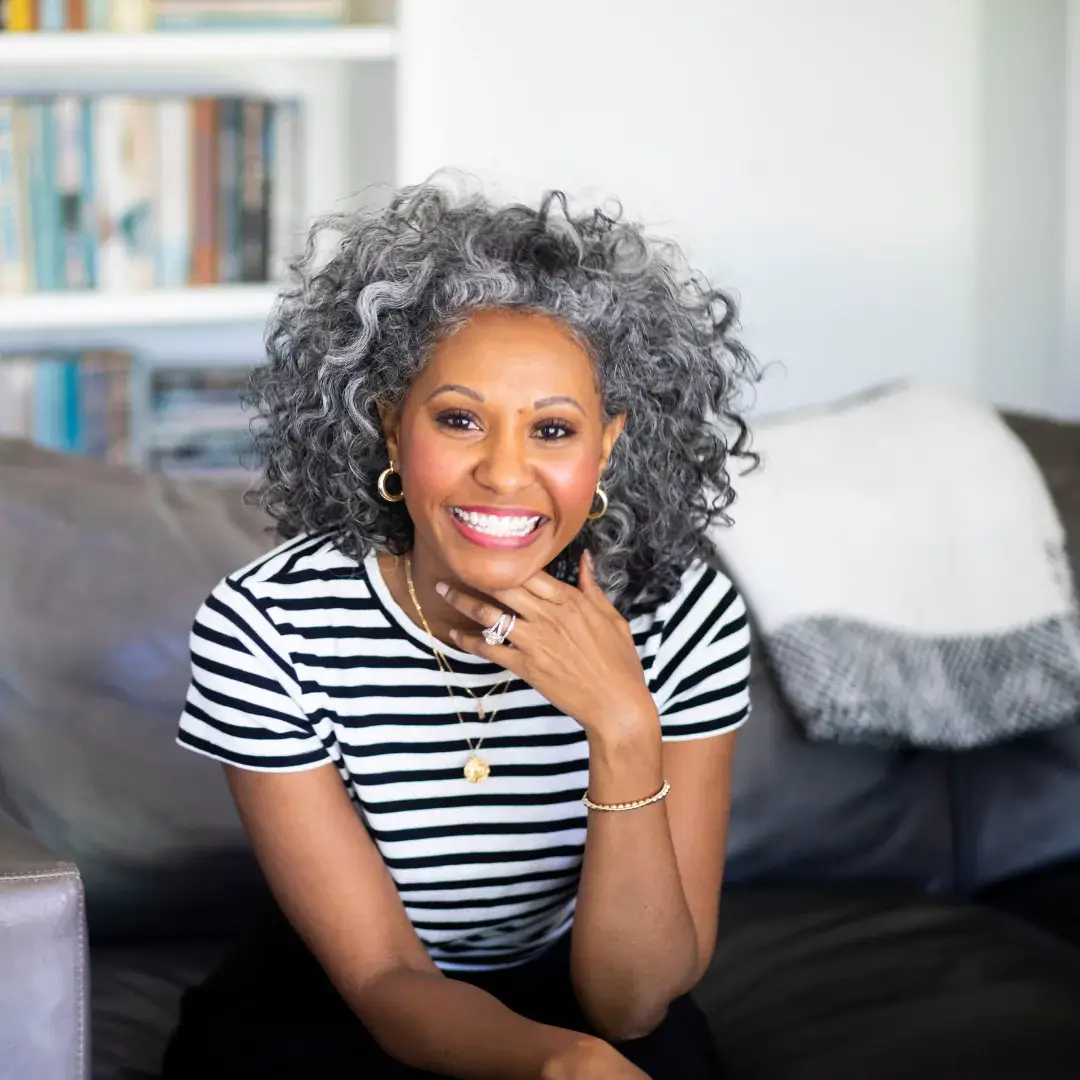
Avoiding Flashback
Flashback is the white or ashy cast some products leave when hit by a camera flash. It is far more noticeable on deep skin.
- Skip SPF in your makeup on shoot day. Mineral sunscreens (zinc oxide, titanium dioxide) are the usual culprits. Keep SPF in your skincare on normal days.
- Swap translucent powders for tinted ones. Some white translucent powders turn ashy under flash. A tinted setting powder matched to your skin avoids the problem.
- Do a flash test. Take a phone photo with the flash on before you leave home. If you see a white cast, fix it now rather than in editing.
- Set and blot. A setting spray locks in makeup; blotting papers handle shine between shots.
Lips and Eyes
Berry, plum, chocolate, brick and burgundy lips complement deep skin beautifully. A warm red makes a confident statement. For a quieter look, choose a nude made for deeper skin (a nude that is too light reads as chalky on camera). On the eyes, bronze, gold and chocolate shadows add warmth and definition. If you wear false lashes, pick natural, wispy styles that do not cast shadows.

Lighting Tips for Deep Skin Tones
Lighting matters as much as the outfit. Camera exposure often defaults to the brightest thing in the frame, which can leave rich skin looking flat or muddy.
- Face soft, even light. A window in front of you, or open shade outdoors, is ideal. Avoid harsh overhead lights and direct sun.
- Expose for your face, not the background. On a phone, tap your face to set focus and exposure, then nudge the brightness slider up slightly if your skin looks dull.
- Use a reflector or a white card below your chin to bounce light into your eyes and soften shadows.
- Choose a mid-tone background. Grey, soft blue or a muted colour gives better separation than pure white, which can force the camera to darken your skin.
- Check the colour. If your skin looks too orange or too grey in the preview, the white balance is off. Fix it before shooting rather than editing heavily afterwards.
If you work with a photographer, it is fair to ask to see examples of their work with deep skin tones before you book.
Accessories
Accessories add personality, but your face should stay the focus.
- Pick one focal piece. Small studs or a fine chain are the safe choice. Bold hoops or a statement necklace also work, just not both at once.
- Match metal to undertone. Gold and bronze tend to flatter warm skin; silver and platinum suit cool undertones. Neutral undertones can wear either.
- Glasses. Wear them if you wear them every day. Ask for anti-glare lenses, or tilt the frames down slightly to avoid reflections.
- Headwraps and scarves. If a headwrap or hijab is part of how you present yourself, wear it. Choose a solid colour from the table above and keep the folds neat.

What to Avoid
- Stark white, neon, and colours that match your skin tone too closely
- Large or high-contrast patterns, logos and text
- Foundation or powder with SPF, and white translucent powders
- Heavy shimmer or glitter on the face
- Hair styled for the first time on the day of the shoot
- Wrinkled, ill-fitting or brand-new clothes you have never tried on camera
- Several statement accessories competing with each other
Ready for Your Headshot?
Above all, be yourself. Choose an outfit that suits your undertone and your industry, wear your hair the way you wear it to work, and keep makeup and accessories simple. The camera picks up on confidence, and you will feel most confident in a look that is genuinely yours.
If you would rather not book a studio, an AI headshot generator can turn a few selfies into professional headshots for LinkedIn or your company website. HeadshotPhoto.io has created 1.4 million+ headshots for 14,239 professionals, with plans from $34 and results in 1 hour.
Frequently Asked Questions
What colours look best on dark skin in a headshot?
Jewel tones such as emerald, sapphire, cobalt, ruby and plum flatter most dark skin tones. Warm undertones also suit mustard, olive, terracotta and camel, while cool undertones suit cobalt, fuchsia and true red. Cream and ivory are softer alternatives to stark white.
Can I wear braids or a protective style in a professional headshot?
Yes. Braids, twists, locs, wigs and sew-ins are all professional. Get braids done or refreshed within a week or two of the shoot, keep parts and edges neat, and make sure wig hairlines are blended so the style looks natural on camera.
Should Black women wear white in a headshot?
Bright white can reflect light and cause the camera to underexpose deep skin, which flattens detail. Cream, ivory, camel or soft grey give a similarly clean look without the glare. If you love white, wear it as a layer under a coloured blazer.
How do I avoid ashy-looking skin in headshots?
Use a foundation without SPF, swap white translucent powder for a tinted setting powder, and do a quick phone flash test before the shoot. Good, soft lighting and exposing for your face rather than the background also keep deep skin looking rich and even.
Is it okay to wear my natural hair in a corporate headshot?
Yes. Natural hair, whether an afro, curls, twist-out, locs or a sleek bun, is professional in any industry. Shape and moisturise it on the day so the outline is defined and the texture looks healthy under the lights.