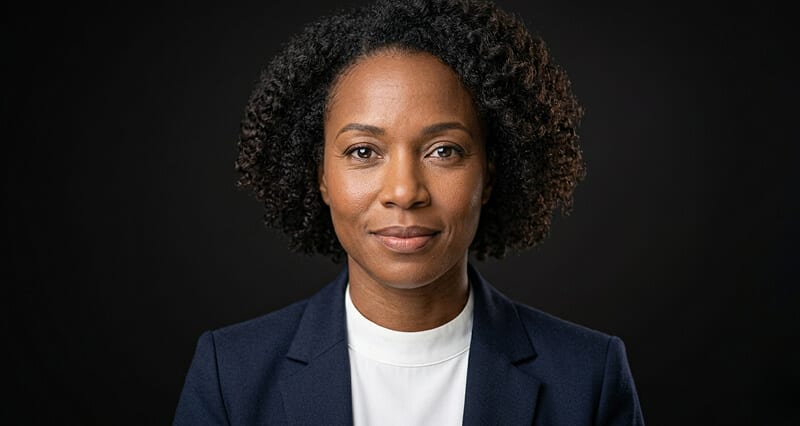
Video and Looping AI Headshots Are Coming: How to Prepare for the Next Wave of Professional Profiles
Static photos are still the standard in 2026. But the infrastructure for what comes next is already being built. Here's what's happening, what it means for your professional presence, and how to get ahead of it.
I had a strange moment last quarter watching someone's LinkedIn profile.
Not because of what they'd written. Because of their profile picture.
It moved.
Not dramatically. Not a wave or a smile or anything performative. Just... a blink. A subtle shift of attention. The kind of micro-movement that your eye makes when someone glances at you across a room. It lasted three seconds. Then it looped.
I stared at it longer than I'd stared at any static profile photo in years.
That's the whole point, I thought. That's exactly what this does.
The video headshot isn't a gimmick. It's not a LinkedIn party trick. It's the natural extension of a decade of platform evolution toward motion, and the professional world is about to catch up with what social media figured out five years ago: movement captures attention in ways stillness never can.
The question isn't whether this becomes standard. It's when. And what you do between now and then.
Why This Shift Is Happening Now
Here's the context that matters.
Every major platform shift in digital media has followed the same pattern. Static images gave way to photos with filters. Photos gave way to short-form video. Short-form video gave way to looping, autoplay content. The consumer internet has been moving this direction for a decade. The professional internet is about three to five years behind, as it always has been.
LinkedIn's algorithm already favors video content by a significant margin. Posts with native video get substantially more reach than text-only updates. The platform has every incentive to push video profiles, video introductions, and video headshots. Microsoft Teams is integrating more visual identity features. Zoom continues expanding avatar and video profile capabilities. Even email clients are starting to support animated sender images. The infrastructure for video headshots is being built right now, whether professionals are paying attention or not.
This infrastructure build is the tell. Platforms don't invest in video profile support because they think it might be interesting. They invest because they've already run the engagement data and know what's coming.
Motion captures attention. A static profile photo tells someone what you look like. A looping video profile tells them what you're like. That gap is going to matter enormously once the format becomes standard.

What a Video Headshot Actually Is
Let's be specific, because the term gets used loosely.
A video headshot is a short, looping video, typically 3 to 10 seconds, that replaces or supplements your static profile photo. Think of it as the space between a photograph and a full video introduction. You are not delivering a speech. You are not waving at the camera. You are just... present. A natural blink. A subtle shift in expression. The kind of movement that makes a flat screen feel three-dimensional.
This is the key distinction that gets lost in the conversation. A video headshot is not a video introduction. It's not a selfie video or a talking head clip. It's the static headshot brought to life with the minimum amount of motion necessary to signal presence.
The most effective video headshots in professional contexts do one thing: they make the viewer feel like they're looking at a person rather than a photograph. That's a very different thing from making the viewer watch a performance.
A blink. A micro-shift of focus. Perhaps a very subtle smile that comes and goes in two seconds. The kind of thing your eyes do naturally when someone looks at you.
That's it. That's the format. And it's far more powerful than it sounds.
How AI Is Enabling This at Scale
Three years ago, a professional video headshot required a videographer, a controlled studio environment, and significant post-production to get a clean, professional looping clip. The cost and logistics made it inaccessible for most professionals.
In 2026, AI video generation from still photos has become technically viable at scale. Tools now exist that can create 5-second animated videos from a trained AI model of your face using an easy video maker, with processing times under a minute. The quality is not yet universally at the level of studio-produced looping video. But it's improving rapidly, and the trajectory is clear.
The specific AI capability driving this is the ability to animate a photorealistic still image with plausible micro-movements. The AI understands how human faces move, what a natural blink looks like, how lighting should interact with skin in motion, and how to maintain identity consistency across frames. It applies that knowledge to your static headshot and produces a looping clip.
Here's the weird part. The quality threshold for a professional video headshot is actually lower than for a static headshot in one important way. A static headshot freezes a moment and invites close scrutiny. Every detail is visible indefinitely. A video headshot, by contrast, is in motion. Viewers process it holistically rather than analytically. The impression of presence matters more than pixel-level perfection.
This means AI-generated video headshots may reach professional-grade quality for practical purposes earlier than AI-generated static headshots did.
The Platform Readiness Map: Where You Can Use One Right Now
Not every platform currently supports video or animated profile photos. Here's where things stand in 2026.
LinkedIn. LinkedIn introduced video cover stories a while back. The "Cover Story" feature lets members record a video introduction that plays when someone hovers over their profile photo. This is the closest current implementation to a video headshot on the platform. It's underused, which means early adopters get disproportionate attention.
Microsoft Teams and Zoom. Both platforms allow video avatars, though the implementation is different from a looping profile photo. Teams uses your profile photo in most contexts. Zoom's video filter capabilities are more extensive. Both are moving toward more dynamic visual identity features.
Personal websites and portfolio sites. This is currently the most flexible implementation context. A looping video headshot embedded in your About page or hero section has no platform constraints and can be implemented at any quality level right now. Many early adopters are deploying video headshots here first.
Email signatures. Some email clients and signature tools support animated GIFs or short video loops. A very short, very subtle looping headshot in an email signature is attention-catching in a way that a static image isn't.
Conference and event platforms. Virtual conference platforms frequently support video profile photos. Speakers and attendees with video headshots stand out in participant grids immediately.

What This Means for Your Static Headshot Right Now
Here's the practical implication that most people miss in the video headshot conversation.
Your static headshot is the foundation that everything else builds from.
When AI tools animate a still photo into a looping video, the quality of the video is directly constrained by the quality of the still image it starts from. A well-lit, high-resolution, identity-accurate static headshot produces a compelling looping video. A low-resolution, poorly lit, or plastic-looking static headshot produces a looping video that amplifies all those problems in motion.
This means that preparing for the video headshot era and having a great static headshot right now are the same thing. The investment you make in a high-quality static headshot today is the same investment that positions you well for the animated version that may become standard in the next two to three years.
The professionals who will be most ahead when video headshots go mainstream are the ones who have the highest-quality static headshots as their starting material. Our guide on hyper-realistic AI headshot likeness covers exactly how to build that foundation.
For professionals who want to see what a strong static foundation looks like before the animated era arrives, the professional headshots page at Headshot Photo shows the quality standard that translates well into motion.
The Early Adopter Opportunity Right Now
If you work in competitive fields like sales, consulting, recruiting, or any client-facing role, a video headshot is a meaningful differentiator right now precisely because so few professionals use them. Early adoption creates outsized visibility.
This is the early adopter window. It's the same window that existed for LinkedIn profiles before they became standard, for professional headshots before every serious candidate had one, for video introductions before they became expected in certain industries.
The professionals who benefit most from a format shift are always the ones who move before the mainstream. Right now, a video headshot on LinkedIn is unusual enough to stop scrolling. In three years, it may be unusual not to have one.
What that early adopter move looks like practically:
Record a LinkedIn Cover Story. This takes fifteen minutes and no special equipment. A clean background, decent window light, and a brief, natural thirty-second introduction that plays when someone hovers your profile photo. You don't need AI for this. You need a phone and a reasonably quiet space.
Add a looping headshot to your personal website. If you have a personal brand site or portfolio, a short looping video clip of yourself in the hero or About section creates an immediately distinctive impression.
Watch the AI video tools. The quality is improving rapidly. By late 2026, some AI video headshot tools will likely cross the threshold from "interesting experiment" to "genuinely professional." When that happens, the adoption curve will accelerate significantly.
The Part About Expression That's Specific to Video
Here's something worth understanding before you start thinking about video headshots.
The expression requirements for a video headshot are subtly different from a static headshot.
In a static photo, a slightly forced or held expression is forgivable because a viewer processes it in a fraction of a second and moves on. In a looping three-second video that plays on repeat, a held expression very quickly starts to read as uncomfortable. The viewer watches the same moment cycle over and over. Any tension or performance in the expression becomes more visible, not less.
What works in looping video headshots: genuine micro-expressions. A slight, real smile that comes and goes rather than holds. A natural blink. A moment of quiet engagement rather than performed readiness. The expression that someone has when they're about to say something rather than waiting to say something. Our confident neutral expression guide is the closest match to what video headshots need.
What doesn't work: anything static. Holding any expression for three seconds in a loop looks wrong because human faces don't hold still. The specific failure of bad looping video headshots is when the animation adds movement but the expression itself remains frozen.
This means the expression coaching in a good video headshot session is actually more demanding than in a static session. You're trying to capture a genuine moment rather than a held pose.
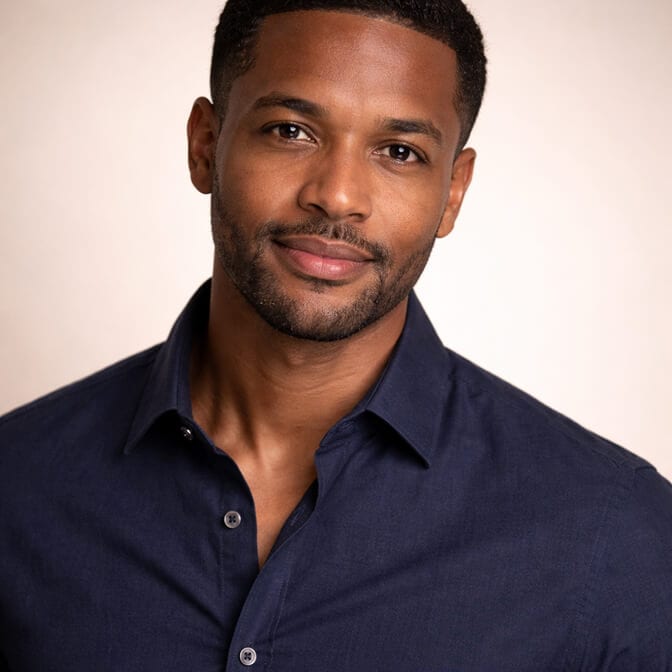
If you want to build the static foundation that positions you for the video era, get your professional headshot with Headshot Photo and generate a high-quality starting image that translates well into motion.
How to Think About This as a Long-Term Investment
The most useful frame for the video headshot transition is this: your professional visual identity is becoming a system rather than a photo.
Right now, that system is simple. A primary headshot. Maybe a small library of consistent variants. Deployed consistently across platforms.
In three to five years, that system will likely include: a primary static headshot, a looping video variant for platforms that support it, a brief video introduction for specific contexts, and potentially real-time video enhancement for live calls.
All of those components will be generated from the same identity model, the same well-trained representation of your specific face. The quality of that model will determine the quality of every output across every format.
This is why the right preparation for the video headshot era isn't to wait for the format to become standard. It's to build the best possible static headshot now, because that static headshot is the foundation of your identity model and therefore the foundation of every future output. Our personal branding cohesive platforms guide covers the multi-platform identity strategy that supports this transition.
The professionals who stand out will not choose between static and video. They will use each one where it performs best.
The Takeaway
That profile photo that stopped me mid-scroll was three seconds of a natural blink and a subtle shift of expression.
The person didn't say anything. Didn't wave. Didn't introduce themselves. Just existed on screen in a way that made me feel like I was looking at someone rather than looking at a photograph.
I clicked through to their full profile. Read their whole About section. Sent them a connection request.
The entire chain of decisions started with three seconds of motion.
That's what video and looping headshots do. And that capability is getting closer to accessible for every professional, not just early adopters with production budgets.
The infrastructure is being built right now. The AI tools are improving rapidly. The platform support is expanding. The question is just whether you're paying attention early enough to be positioned when it arrives.
Frequently Asked Questions
1. What is a video headshot and how is it different from a regular profile photo?
A video headshot is a short, looping video clip of 3 to 10 seconds that replaces or supplements a static profile photo. Unlike a full video introduction, it shows minimal intentional movement: a natural blink, a subtle expression shift, the kind of micro-movement that signals human presence rather than a static image. It creates the impression of looking at a person rather than a photograph, which consistently captures more attention and holds it longer than a static image.
2. Which platforms currently support video or animated profile headshots in 2026?
LinkedIn supports video Cover Stories that play when someone hovers over your profile photo. Microsoft Teams and Zoom both support video avatar features. Personal websites and portfolio sites can embed looping video headshots without platform restrictions. Some email clients support animated sender images. The platform support is expanding and is expected to increase significantly as the format becomes more standard across professional networks.
3. How do AI tools currently generate video headshots from still photos?
AI video headshot tools animate a static portrait by applying learned models of human facial movement to the still image. The AI understands how faces naturally move, what a realistic blink looks like, how lighting interacts with skin in motion, and how to maintain identity consistency across frames. Processing times for a 5-second AI video from a still photo are now typically under a minute for most tools. The quality is improving rapidly and is approaching professional-grade for standard professional profile use cases.
4. Should I invest in a static AI headshot now if video headshots are coming?
Yes, strongly. Your static headshot is the foundation that AI video tools animate from. A high-quality, high-resolution, identity-accurate static headshot produces a much better looping video output than a low-quality starting image. The investment in a strong static headshot today is the same investment that positions you for the video headshot era. Professionals with the best static headshots right now will have the best video headshots when the format matures.
5. How do I use a video headshot effectively on LinkedIn right now?
Record a LinkedIn Cover Story from your profile: a 20 to 30 second natural, conversational video introduction that plays when someone hovers over your photo. Use good window light, a clean background, and speak naturally rather than performing a scripted intro. This feature is significantly underused, which means even a basic implementation stands out. For a more sophisticated approach, a looping video clip embedded in your personal website or portfolio creates an immediately distinctive professional impression.