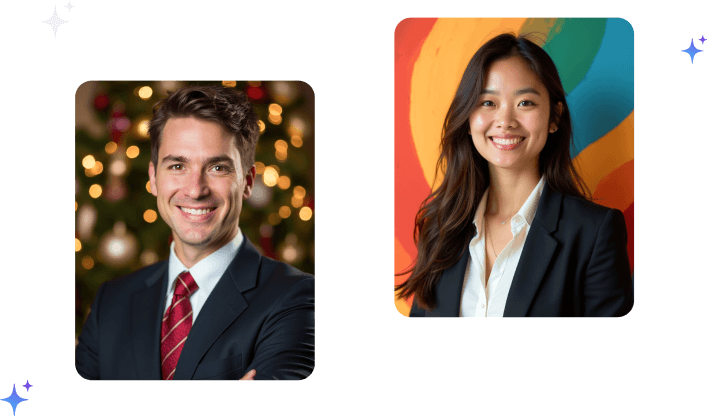
The Anti-Plastic Shift: Why 2026 Professionals Are Demanding Human-Looking AI Headshots
The waxy, airbrushed, uncanny valley headshot is dying. Here's what's replacing it, and why your LinkedIn photo from last year already looks dated.
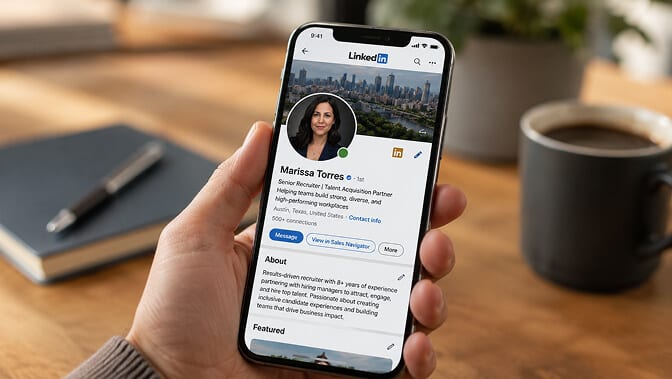
I was scrolling through a connection request on LinkedIn last Tuesday and I almost hit ignore on reflex.
The photo looked... wrong.
Skin like a wax mannequin. Eyes a little too symmetric. A smile that didn't quite reach anywhere. I knew this person, by the way. We had coffee three months ago. She's funny. She has freckles. She has a small scar above her right eyebrow from a childhood bike crash that she tells the story of at every dinner party.
None of that was in the photo.
Here's the weird part. Six months ago, that same headshot would have been considered "good." Studio lighting, navy blazer, smooth skin, professional smile. Top tier AI output for 2025.
But in 2026, it reads as fake. Cheap. A little embarrassing.
The market shifted. Quietly, then all at once. And if your professional photo still looks like it came out of a 2024 AI generator, you're already paying a trust tax you can't see.
Let me explain what changed.
The "polished, not plastic" era is here
For most of 2023 and 2024, the bar for AI headshots was "looks like a real photo." That was hard. Tools failed constantly. Three nostrils, melted ears, dead eyed stares.
By mid 2025, the technical bar got crossed. Most decent tools could produce something that looked photographic. So the bar moved.
Now it's not enough to look like a photo. It has to look like you. On a Tuesday. After two coffees. With your real face attached.
A photographer writing about 2026 trends put it bluntly: credibility now depends on believability, and people want to see real skin texture, character lines, and the history in your face. The new rule, according to her, is polished, not plastic.
That phrase is doing a lot of work. Polished means you cleaned up the random blemish, the lint on your collar, the stray flyaway. Plastic means you erased every line that proves you've actually lived.
People can feel the difference even when they can't articulate it. Their gut just whispers: something's off.
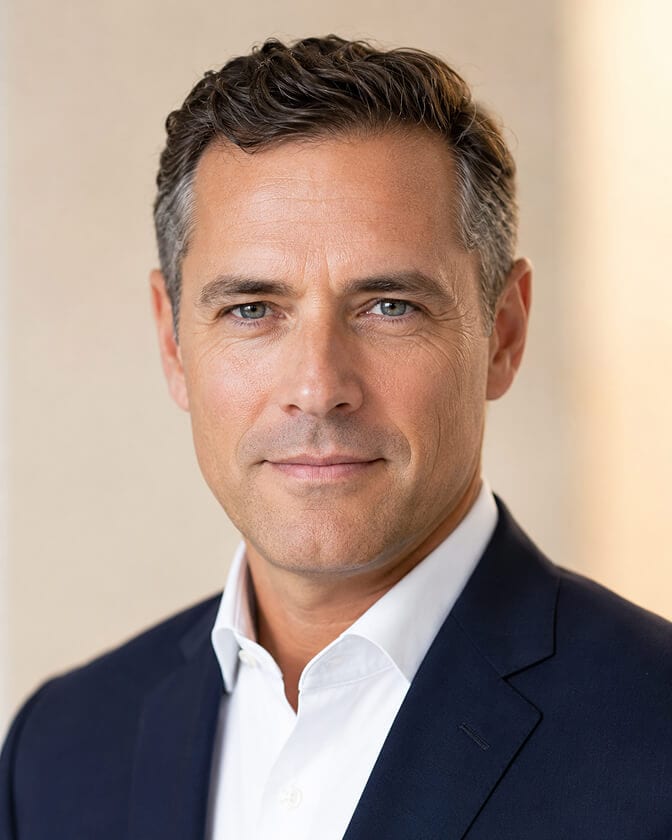
Recruiters can't always tell anymore. But your colleagues can.
The data on this is genuinely interesting.
In a controlled test, 73% of recruiters could not distinguish between high-quality AI headshots and traditional photography. Sounds like a green light for AI, right?
It is. But there's a catch most people miss.
That stat applies to high quality AI. Photorealistic, human looking, properly textured. The other half of the market, the bargain bin generators that smooth your skin into a wax figure and give you that subtle uncanny smirk, those are getting flagged immediately.
Worse, they're getting flagged by the people who actually know you.
Here's where it gets messy. Your recruiter doesn't know you. They look at the photo for two seconds and move on. But your future coworkers? Your clients? The investor you're pitching next month? They will eventually meet you. And if the photo is too smoothed, too perfect, too 2024 AI, they'll notice the gap.
The real risk isn't that AI gets caught. It's that the trust gap opens the moment someone meets you in person and doesn't recognize the face from your profile.
That's the new failure mode. Not "your photo looks fake." It's "your photo looks like a different person than the one I just shook hands with."
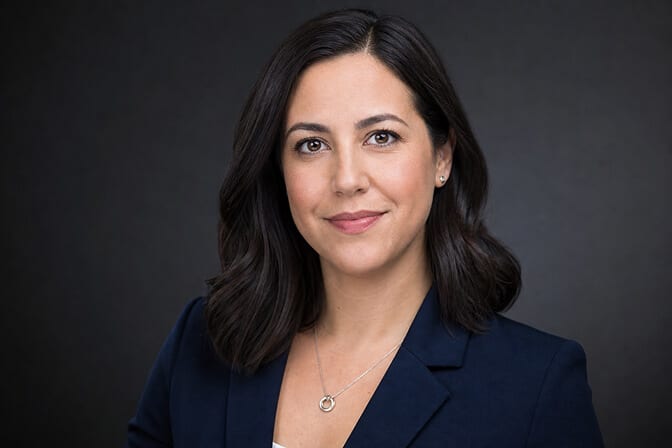
What "human looking" actually means in 2026
Let me break down what people are actually scanning for. Not consciously. Subconsciously. The micro signals their brain processes in 0.4 seconds.
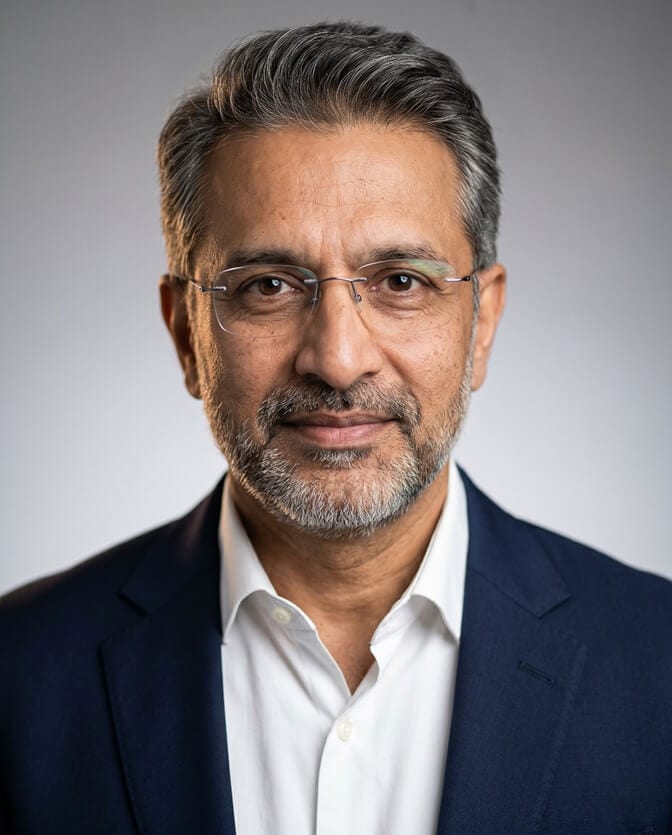
Skin texture. Real skin has pores. Fine lines. Slight unevenness. Subsurface light scattering. Lower quality AI tends to smooth skin to the point of looking like plastic, and a professional headshot should keep your natural texture intact. If your photo looks airbrushed into oblivion, people read it as deceptive even if they can't say why.
Eyes. This is where bad AI breaks first. Mismatched pupils. Missing catchlights. That weirdly intense thousand yard stare. Eye fidelity used to break constantly, with mismatched pupils, dead stare, and wonky reflections. Good AI in 2026 nails the catchlights, the soft asymmetry of real human eyes, the natural moisture.
Expression. A relaxed half smile beats a forced grin every time. The 2024 default of "AI thinks professionalism means stiff posture and clenched jaw" is officially out.
Wardrobe physics. Lapels that fold correctly. Shadows where buttons hit fabric. Glasses that don't melt into the side of the face. The cheap tools still botch this constantly.
Backgrounds with intention. Soft blurred office, dark charcoal, warm gradient gray. Not random fake bokeh that screams "default template."
This is what the market means when it asks for human looking.
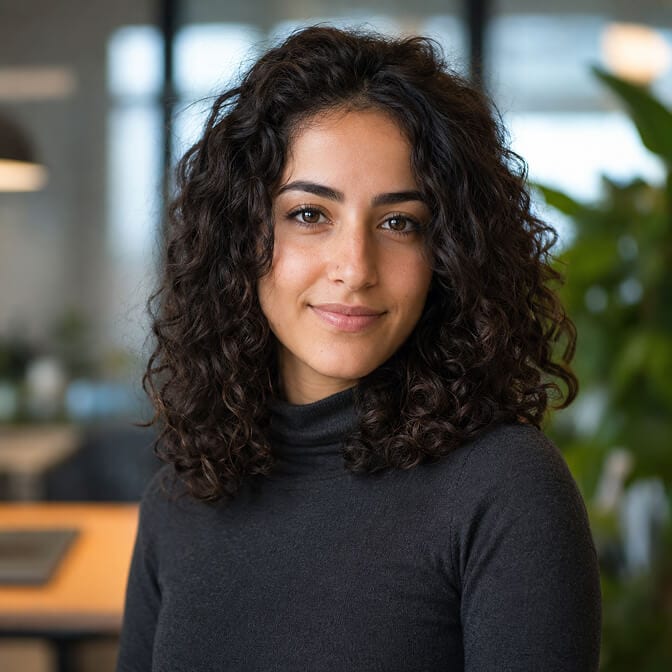
Why this shift happened so fast
Three things converged in the last 12 months. Stay with me here, because this is the part that explains everything.
One: the LinkedIn flood. Everyone got an AI headshot in 2024. Recruiters started seeing the same five "office backdrop, navy suit, slight smile" outputs hundreds of times a week. It became a tell. The uniformity gave AI away even when the individual photos were technically fine.
Two: the deepfake panic. Public anxiety about AI generated faces hit a peak in 2025. People got allergic to anything that looked too smooth, too symmetric, too perfect. Authenticity became currency.
Three: the tools actually got good. This is the unsexy answer. Better models. Better training data. Better skin texture rendering. The technology that made plastic AI possible also made human looking AI possible. The ones who upgraded their pipelines won. The ones who didn't are quietly losing market share.
Put it together and you get a market where, as one tester noted, cleaner lighting, realistic skin without plastic smoothing, and subtle styling now beat overly polished AI glamour shots, because trust reads as real, not perfect.
Trust reads as real, not perfect. That's the entire 2026 thesis in eight words. Tape it to your monitor.
The "I look 10 years younger" trap
This one's painful but I have to say it.
A lot of bad AI headshots aren't bad because the technology failed. They're bad because the user asked the AI to lie. Smooth my skin. Remove this scar. Lose the gray at the temples. Make my jaw sharper.
Then they get the result, post it to LinkedIn, and wonder why it feels weird.
It feels weird because it isn't them.
The smartest test I've seen: compare your AI headshot to your video call feed, and if the AI made you look 10 years younger or 20 pounds lighter, discard it. The goal is your best version. Not a different person.
This is where I see professionals self sabotage. They use a high quality tool, then over tune the prompt until the output is technically perfect and emotionally hollow. The photo loses you somewhere in the smoothing.
If you want to see what this gap looks like in practice, our walkthrough of a real before and after AI headshot transformation shows the difference between an enhancement and an erasure.
Quick mid article gut check
If you're reading this and thinking, crap, my LinkedIn photo is two years old and it might be giving off plastic energy... that's normal. Most people's photos are. The fix takes about 10 minutes. You can generate a new set of professional headshots from selfies and replace it before lunch. No photographer. No scheduling. Just upload, wait, pick the one that actually looks like you. That's it.
Now back to the substance.
How to vet a tool in 2026 (the four test method)
Not all generators caught up to the anti plastic shift. A lot of them are still shipping the same 2024 model and hoping nobody notices. Here's how I'd separate the keepers from the liabilities.
Test 1: pore visibility. Zoom into a sample image at 200%. Can you see skin texture? Pores, faint lines, slight color variation? If the skin looks like a smooth digital mask, walk away. Real skin has data in it.
Test 2: the glasses test. If you wear glasses, generate with glasses on. Inferior AI often blends frames into the skin or distorts the lenses, breaking the laws of physics. This single test eliminates 60% of bargain tools.
Test 3: the smile test. Ask for a "slight natural smile." Bad AI gives you a forced grin or fused block teeth. Good AI gives you something that looks like a person mid conversation.
Test 4: the sibling test. Show three sample outputs to someone who knows you well. Ask: which one looks most like me? If they hesitate, the tool's likeness pipeline is weak. If they pick instantly, you found one.
These four tests take 15 minutes and save you from 90% of regret purchases. We dug deeper into the visual artifacts to watch for in our breakdown of how to tell if a headshot was AI generated, if you want the forensic version.
What this means for hiring, branding, and your next 12 months
I want to leave you with something practical because frankly, most takes on this topic stop at the trend and never tell you what to do.
If you're a job seeker: update your photo this quarter. The 2024 plastic look is now actively hurting you, not helping you. Recruiters won't reject you over it. But they will trust you a little less, and trust compounds across a hiring process.
If you're a founder: your team page is one of the highest impact pages on your site for trust. Plastic team photos signal "we cut corners." Authentic photos signal "we care about details." Investors notice this. Clients notice this. Candidates notice this. We covered the full playbook for building a team page on a startup budget if you're tackling this for a small team.
If you're a consultant or creator: your face is your brand. The gap between a $19 plastic generator and a $29 photorealistic one is irrelevant when the photo is the first thing prospects see. Optimize for likeness, not price.
If you're in a regulated industry (medical, legal, financial): authenticity matters double. A patient or client who senses a fake looking photo subconsciously starts questioning your credibility before you've said a word.
The numbers back this up. A recent breakdown shows that professional headshots that once required booking a photographer, choosing outfits, and spending $250 to $400 plus, can now be done in under 2 hours, but the quality variance between tools is wider than ever. The cheap ones are stuck in 2024. The good ones moved on.
Pick the ones that moved on.

The end of article gut punch
Here's the thing nobody tells you.
Your headshot isn't really about your face. It's about whether the person on the other side of the screen believes you. Whether they think the version of you in the photo is the same version of you that will show up to the meeting.
In 2024, AI headshots failed because they didn't look like photos. In 2025, they failed because they looked like photos but not like you. In 2026, the winning headshots look like a really good Tuesday morning version of the actual human being. Real skin. Real eyes. Real you. Just a little better lit.
That's the whole shift.
If your current photo doesn't pass that bar, fix it. It takes ten minutes and costs less than dinner. Try Headshot Photo free and get a set of human looking AI headshots that actually look like you. No studio. No wax figure smoothing. Just photos that hold up when someone meets you in person.
That's the only test that matters.
Frequently Asked Questions
1. What does "human looking AI headshot" actually mean?
A human looking AI headshot keeps your real skin texture, expression, and identifying features intact while improving lighting, framing, and wardrobe. It's the opposite of the over smoothed, plastic skinned outputs from older generators. Think polished version of you, not a different person entirely.
2. How do realistic AI headshots compare to traditional photographer sessions in 2026?
For professional use cases like LinkedIn, team pages, and CVs, realistic AI headshots now match traditional photography in perceived quality. 73% of recruiters cannot distinguish between high-quality AI headshots and traditional photography. The gap shows up in cost and turnaround. AI delivers in minutes for around $29, while photographers charge $200 to $1,200 plus and require scheduling.
3. How do I get a human looking AI headshot that doesn't look plastic?
Pick a tool that preserves skin texture and offers natural lighting presets. Upload varied selfies (different angles, expressions, outfits). Ask for a slight natural smile, not a forced grin. Don't over prompt. Avoid any tool that aggressively smooths skin or makes you look 10 years younger.
4. Are AI headshots worth it for professionals in 2026?
Yes, if you pick a tool optimized for realism rather than artistic flair. The cost is roughly 90% less than a photographer session, the turnaround is under an hour, and modern AI headshots are now indistinguishable from studio photography to most viewers. The risk isn't AI itself. It's choosing a low quality generator that produces the dated plastic look.
5. Is it safe and legitimate to use AI headshots on LinkedIn?
Yes. LinkedIn's terms of service have no rule against AI generated profile photos, but they require a recognizable, accurate likeness. The rule is simple. If the photo looks genuinely like you on a normal day, you're fine. If it looks like a heavily filtered or significantly altered version of you, that's where credibility breaks down.