What Your Industry Actually Expects From Your Headshot in 2026: Tech, Finance, Healthcare, and Creative Guides
A great headshot for a venture-backed founder would tank a cardiologist's credibility. Here's why every industry has its own visual language, and exactly how to speak it.
A few months back, a financial advisor came to us with a frustrating problem.
He'd gotten a beautiful set of headshots. Genuinely good photos. A photographer he trusted, excellent lighting, relaxed and natural expression, modern background. He was proud of them.
He put the new headshot on his LinkedIn and his firm's website. Then waited.
His manager called him into a meeting three days later. A senior client had made a comment. Something about how his profile photo felt "too casual for someone managing my portfolio."
The photo wasn't casual by most definitions. It was business casual, warm, approachable. Perfect for a startup founder or a marketing consultant. But financial advisory is a trust-first profession where every visual signal either reinforces or undercuts your credibility. His headshot was saying the wrong thing to the wrong audience, not because it was bad, but because it was built for a different industry's expectations.
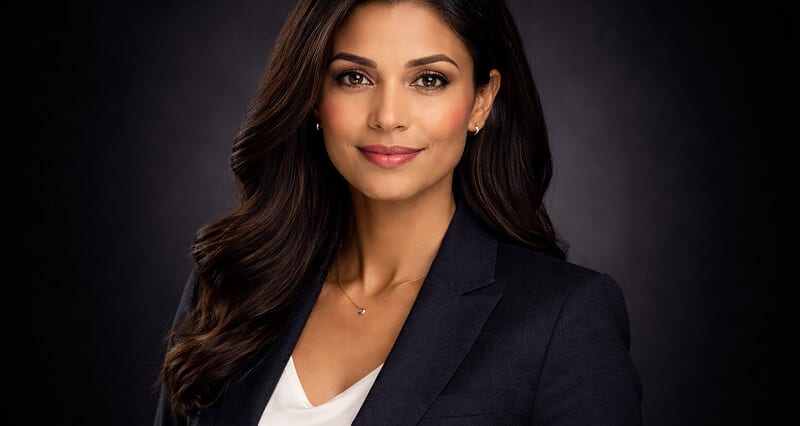
He regenerated with a darker background, structured blazer, composed expression. Same face. Different signal.
The client never mentioned it again.
This is the industry-specific headshot problem. Every profession has an unwritten visual code. When your photo matches the code, trust builds invisibly. When it doesn't, something feels slightly off, and people can't always tell you why.
Why One-Size-Fits-All Headshot Advice Fails You
Most headshot guides give you the same list regardless of what you do. Clean background. Solid color clothing. Genuine expression. Good lighting.
All of that is correct. None of it is sufficient.
Because "clean background" means a deep charcoal near-black for finance and a soft warm gradient for a therapist and a textured architectural wall for a creative director. Because "genuine expression" means a composed confident neutral for a surgeon and a full warm smile for a children's educator and something expressive and personality-forward for a brand designer.
The mechanics are the same. The specific execution varies by who's looking at your photo and what they need to feel before they trust you.
Your headshot isn't just a photo. It's a first handshake with your audience before you've said a word. And the handshake has to be calibrated to what that specific audience is expecting.
Here's the full breakdown, industry by industry.
Tech: Smart, Human, and Deliberately Not Corporate
The tech industry's headshot culture has matured significantly. The "hoodie in front of a monitor" era is genuinely over. But the overcorrection into stiff corporate portraiture was never right either.
In 2026, the sweet spot for tech professionals is intentionally polished without being performatively formal.
Your audience, whether investors, potential hires, clients, or collaborators, is sophisticated enough to see through both extremes. An overly casual photo signals you don't take your professional presence seriously. An overly formal photo signals you're trying too hard to look like something you're not.
Wardrobe: A fitted crew-neck sweater, a clean button-down, or a well-structured unstructured blazer in solid mid-tones (navy, soft gray, muted teal, warm white). Ties are almost universally wrong for tech contexts. Graphic tees are wrong in the other direction. The target is "this person made a considered choice."
Background: Lighter and cleaner than finance or law. Soft gray gradients, warm off-whites, subtle blurred office environments. Backgrounds that feel modern and open rather than heavy and authoritative.
Expression: Tech favors genuine warmth. A real smile or a relaxed, present expression with engaged eyes. The goal is "I'd enjoy working with this person" rather than "this person commands a room."
Common mistake: Dressing up for the photo in a way that looks nothing like your actual working style. If you wear button-downs and light layers to work every day, a formal suit in your headshot creates a subtle dissonance that people register. Dress one level above your actual norm, not five levels above it.

Finance: Authority First, Always
Finance is the one industry where the formal headshot is not only appropriate but expected. The reason is simple: the product that financial professionals sell is trust with money. Every visual element either builds or erodes that trust before a conversation even begins.
Here's the weird part. Finance headshots that are too warm, too casual, or too modern-feeling can actually reduce client confidence in ways that a polished traditional headshot wouldn't. The visual conservatism of finance photography isn't just convention. It's function.
Wardrobe: A dark suit for most roles, structured blazer minimum for all client-facing positions. Navy and charcoal are the workhorses because they photograph with weight and authority. Blue tones specifically signal trust and dependability in color psychology research. A tie is appropriate for traditional finance institutions and senior roles. More modern fintech-adjacent roles have loosened this, but when in doubt, err formal.
Background: Dark and sophisticated. Deep navy, charcoal, near-black. These backgrounds frame the face with authority and create a clean, serious context. Bright or colorful backgrounds almost always create a tonal mismatch with what finance audiences expect. See our moody and modern backgrounds guide for the specific charcoal palette that works best here.
Expression: Measured and composed. A slight, controlled smile reads as confident and approachable without sacrificing gravity. A full, wide smile can feel slightly jarring against a dark background and formal wardrobe. Think "composed warmth" rather than "open warmth."
Common mistake: Using the same headshot for both your finance firm bio and your personal LinkedIn where you might be building a broader thought leadership presence. Finance bios often benefit from slightly more formal treatment than personal brand profiles in the same industry.
Healthcare: The Balance That Requires Real Thought
Healthcare headshots sit at a genuinely interesting intersection. Clinical competence and human warmth are both non-negotiable, and getting the balance wrong in either direction costs you.
A provider who looks cold or stern loses patient trust before the first appointment. A provider who looks too casual loses professional credibility with colleagues and referring physicians. The balance is specific, and it varies by role.
Patient-facing clinical roles (physicians, nurses, therapists, dentists): Warmth should slightly lead authority. A genuine smile reads as "I'm a person you can talk to about difficult things." Soft blues and whites are traditional and have a specific psychology of cleanliness and care that they carry into photographs. Avoid heavy dark backgrounds for patient-facing headshots, they create the wrong emotional register.
Administrative, leadership, and executive healthcare roles: Standard professional applies. The audience is colleagues, boards, and industry partners rather than patients. Business professional attire, composed expression, clean neutral background.
Mental health practitioners: The warmth weight shifts even further. Your headshot may be the first thing a potential client sees when they're deciding whether to make a very vulnerable phone call. An approachable expression, softer wardrobe, and lighter background do real professional work here. We dig deeper into this in our therapist headshots guide.
Common mistake: Using a white coat in a headshot without thinking carefully about context. White coats signal authority clearly, but for patient-facing purposes they can feel clinical rather than approachable depending on the specialty. The question to ask: what does my patient need to feel when they see this photo?
Creative: Personality Is Part of the Portfolio
For creative professionals, designers, art directors, marketers, writers, creative agency leaders, the headshot is itself a piece of creative work. A generic, safe, corporate-feeling headshot signals something unflattering: that you don't have opinions about your own visual identity.
This doesn't mean anything goes. It means that within the boundaries of what looks professional, there's genuine room for personality.
Wardrobe: Bold jewel tones photograph beautifully in creative contexts. Rich burgundy, copper, forest green, mustard, deep teal. Interesting textures and considered layering work well. Statement pieces that reflect actual style rather than costume choices. The rule is still no busy patterns (technical camera problems) and no neons. But the color palette opens up significantly compared to finance or healthcare.
Background: More variety is appropriate here. A textured architectural neutral (concrete, brick), a warm gradient that ties to your personal brand colors, or a contextually relevant environmental backdrop (studio, design space) can all work. The background should have a point of view.
Expression: The full range is available, but what matters most is authenticity. A creative's audience has a trained eye for what feels real versus what was performed for a camera. Whatever expression you choose should feel like a real moment, not a staged one.
Common mistake: Playing it safe with a generic corporate headshot to "look professional" and then putting it next to a portfolio full of bold, original work. The mismatch is jarring. Your headshot should look like someone who made that portfolio.
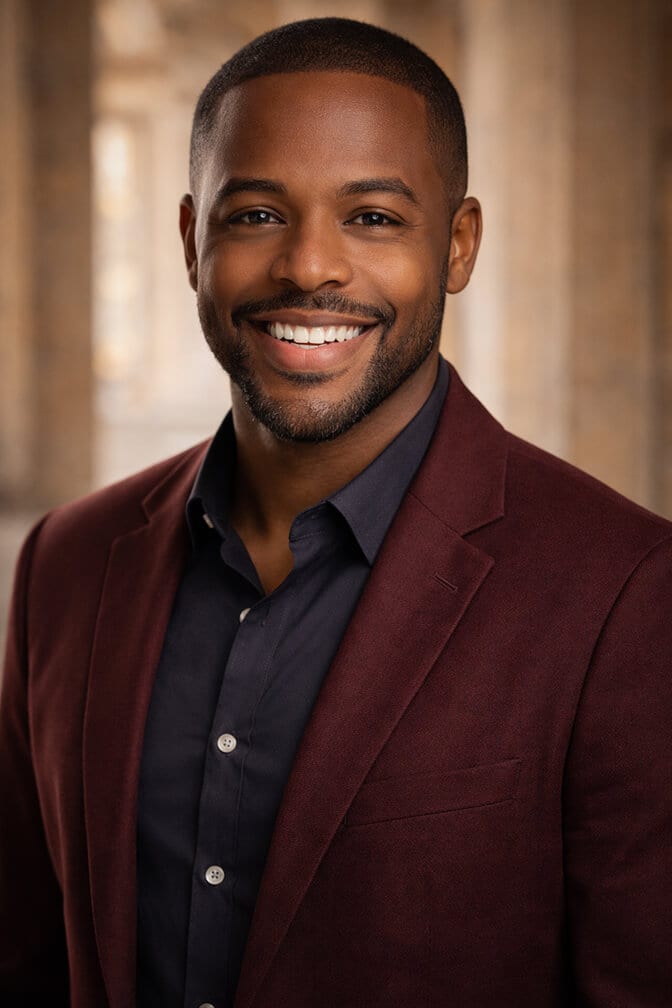
If you want to see how these industry-specific styles translate in finished AI headshots across multiple professions, browse professional headshot examples from Headshot Photo before deciding on your direction.
The Universal Rule That Applies Across All Four Industries
Every industry has its specific signals. But one principle applies everywhere without exception.
Your headshot should look like you on your best day at work. Not a costume version of you. Not a performed version of you. The actual you, at your actual professional level, in the context where you actually operate.
When someone meets you after seeing your headshot, there should be zero adjustment required. The person they expected to meet is the person who showed up. That alignment is what the visual handshake is actually for.
This is also why shooting input photos for an AI headshot session with intentional wardrobe and expression choices matters so much. The AI renders what you give it at studio quality. If what you give it reflects your actual professional context, the output reflects that. If what you give it is a half-considered selfie in whatever you happened to be wearing, the output reflects that too.
For anyone managing headshots across a team that spans multiple industries or roles, the company headshots page at Headshot Photo shows how to handle visual consistency across people with different industry-appropriate styles.
And for a full reference on what to wear for your specific profession, the background and outfit guide from Headshot Photo goes deeper on wardrobe and background interactions for different professional contexts.
The Honest Takeaway
The financial advisor updated his headshot and the client stopped mentioning it.
That's not a dramatic outcome. It's a quiet one. And quiet is exactly the right outcome for a headshot. When your photo is correctly calibrated for your industry, your audience, and your professional level, it stops being something people notice and starts being something that just... works.
The goal isn't a headshot that gets compliments. It's a headshot that opens conversations, builds credibility, and gets out of the way so your actual work can do the talking.
Ready to get your industry-specific headshot right? Create your professional headshot with Headshot Photo and generate a set calibrated for your exact professional context.
Frequently Asked Questions
1. What makes a headshot industry-specific?
An industry-specific headshot is one where the wardrobe, background, expression, and overall tone are deliberately calibrated to match what a professional's target audience expects. Finance headshots use dark, formal backgrounds and composed expressions to signal trustworthiness with capital. Tech headshots use cleaner, lighter backgrounds and genuine expressions to signal approachability and capability. Healthcare headshots balance clinical authority with human warmth. Creative headshots allow more personality and visual distinctiveness. The quality standard is consistent. The specific execution varies significantly by audience.
2. How does a tech professional headshot differ from a finance headshot?
A tech headshot typically uses lighter backgrounds, business casual wardrobe (fitted button-down, clean sweater, optional unstructured blazer), and an open, genuine expression. A finance headshot uses darker, more formal backgrounds (charcoal, navy), structured formal attire (suit or blazer minimum), and a composed, measured expression. The underlying purpose is the same: building trust before a conversation. But the trust signals those two industries require look completely different.
3. How should I choose between a formal and business casual headshot?
Look at the headshots of respected professionals at your level in your specific industry. If the senior people you aspire to work alongside are wearing suits in their headshots, wear a suit. If they're in blazers and button-downs, match that. Your headshot should sit at the same visual tier as the people your audience already trusts in your field. Dressing significantly below that standard can undercut your positioning; dressing dramatically above it can make you look out of touch with your actual culture.
4. Is an AI headshot professional enough for regulated industries like healthcare and finance?
Yes, in 2026 the output quality from leading AI headshot generators is fully appropriate for regulated and high-trust professional contexts. What matters is that the image accurately represents your current appearance, maintains professional standards for your specific role, and meets any platform or directory requirements for the format. The technology behind the image doesn't affect how viewers in those industries evaluate the credibility of the photo.
5. Can I generate headshots for multiple industry contexts from one AI session?
Yes. Because AI headshot generators work from your input photos, you can generate multiple outputs targeting different professional tones from the same session. For example, you might use a more formal, darker-background output for a regulated industry directory and a warmer, lighter output for your personal LinkedIn profile. Building a small library of industry-appropriate headshots from a single input session is one of the practical advantages of AI tools over traditional photography.