Corporate Headshot Policies in 2026: How to Navigate AI Authenticity Rules the Right Way
Some companies are banning AI headshots entirely. Others are embracing them with guidelines. Here's what's actually happening, why the authenticity debate matters, and how professionals can stay on the right side of every policy.
An employment attorney sent me a note in February that stopped me mid-morning.
She'd just come out of a firm-wide meeting. The managing partners had made a decision: no AI-generated photos on the firm's website, attorney bios, or LinkedIn profiles. Effective immediately. Any existing AI headshots had to be replaced within thirty days.
No debate. No exceptions.
"The bar association guidance came through last month," she wrote. "They're treating AI-generated photos as a potential misrepresentation issue. We're not waiting to find out if they're serious."
This is happening. Not everywhere, not uniformly, but in specific industries and at specific companies, corporate headshot policies are catching up to the technology. And the professionals who understand what's actually being regulated and why are the ones who'll navigate this without a problem.
The ones who don't understand it are the ones who'll be scrambling to replace photos under a deadline.
Here's what you actually need to know.
What Corporate Headshot Authenticity Rules Are Actually About
Let's be specific about what these policies are targeting, because the conversation gets muddled when people treat "AI headshot" as a single category.
The authenticity concern is not about how the photo was taken. Cameras have used automated processing since digital photography began. HDR, auto-correction, exposure adjustment, skin smoothing in portrait modes, these are all AI-assisted processes and nobody is banning them.
The authenticity concern is about identity accuracy and representation. The specific question regulators, legal bodies, and company policies are asking is: does this photo accurately represent the person it claims to represent?
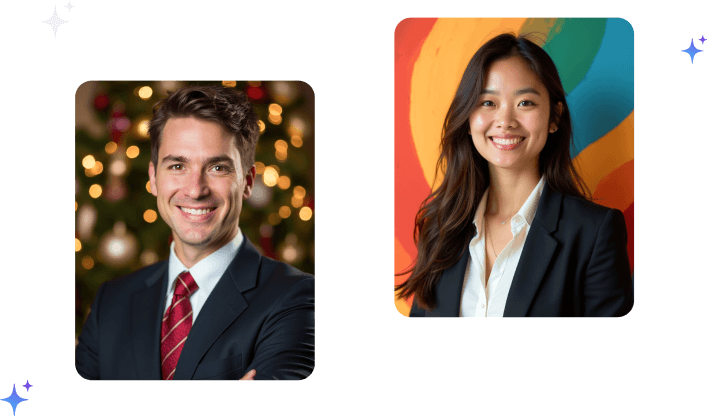
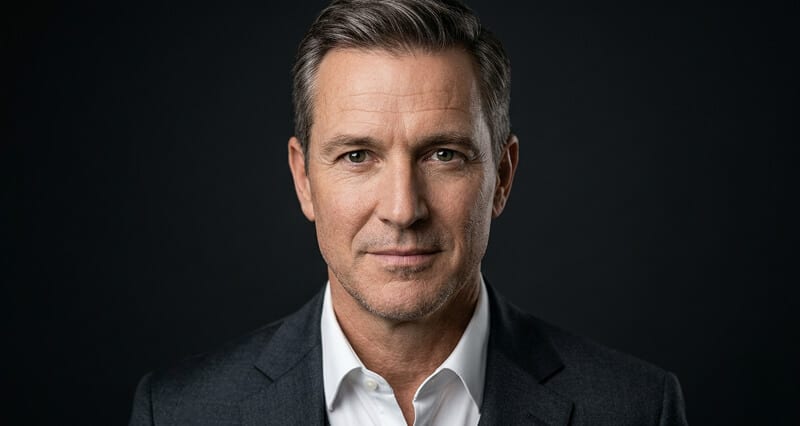
When an AI headshot generator takes your photos and produces an output that looks like you, rendered at studio quality with better lighting and a clean background, that's a photo of you. Processed by AI. Cleaned up. Made more professional. But still you.
When an AI headshot generator takes your photos and produces someone who has different bone structure, is significantly younger, has a different body type, or looks meaningfully different from how you appear in real life, that's a representation problem. It's not a photo of you. It's a fabrication that claims to be you.
The authenticity rule that's emerging in corporate policy is not "no AI." It's "no misrepresentation." Those are very different standards, and understanding the difference is what determines whether AI headshots work for your professional context.
Where the Bans Are Coming From (And Why)
The corporate AI headshot ban is concentrated in specific sectors, and the reasoning in each is coherent.
Legal industry. Bar associations in multiple jurisdictions published AI image guidance in late 2025 and early 2026. The concern: professional ethics rules in law prohibit misrepresentation. A lawyer whose profile photo doesn't accurately represent their appearance could be seen as misrepresenting themselves to potential clients. Legal professional bodies aren't banning AI assistance in photography categorically. They're applying existing misrepresentation rules to a new context.
Finance and banking. Several major financial institutions have restricted employee use of AI-generated imagery on client-facing materials. The driver here is similar: trust is the core product, and anything that creates a discrepancy between how an employee appears online and how they appear in person is a potential erosion of that trust. Regulators have also flagged identity verification concerns around AI-altered photographs in institutional contexts.
Client-facing roles broadly. The data behind this is instructive. Research on recruiter attitudes toward AI headshots found a specific dynamic: when recruiters evaluated photos without knowing their origin, they consistently preferred AI-generated images for their better lighting and composition. When they knew the photos were AI-generated, 66% said they'd view the candidate less favorably. The problem isn't the photo quality. It's the disclosure gap. When someone uses an AI headshot and doesn't disclose it, and the audience later finds out, the trust response is negative regardless of what the photo looks like.
Healthcare. Patient trust is the foundation of healthcare professional relationships. Several health systems and medical groups have updated their directory and website photo policies to require photos that accurately represent the current appearance of practitioners. The concern is straightforward: a patient who meets their doctor in person and finds the photo doesn't match loses a small but real amount of trust before the appointment has started.
Where AI Headshots Are Fully Accepted (And Thriving)
Here's the weird part of this conversation.
For every industry developing AI headshot restrictions, there are multiple contexts where AI headshots are actively encouraged or are the new standard.
Startups and tech companies. The overwhelming majority have no AI headshot restrictions. Many actively encourage AI headshots for team pages, precisely because they enable consistent, professional visual identity across distributed teams without the cost and logistics of traditional photography.
Remote-first organizations. Companies that operate entirely or primarily remotely have been among the fastest adopters of AI headshot programs. They don't have a "company photo day" option that works logistically. AI headshots are the practical solution.
Individual professionals in most fields. For the vast majority of professionals outside regulated industries, AI headshots face no policy restrictions at all. The question of whether to use one is purely a question of quality and accuracy, not compliance.
Personal LinkedIn profiles. LinkedIn itself has no policy prohibiting AI-generated headshots. The platform's terms and community guidelines don't address the method of photo generation. The relevant standard is simply that the photo should represent you.
The net picture in 2026 is this: AI headshot restrictions are real and concentrated in specific regulated and trust-dependent industries. For the majority of professionals in the majority of industries, the policy question doesn't arise.
The Authenticity Test That Matters in Every Context
Whether your industry has explicit AI headshot policies or not, there's one test that determines whether any AI headshot is professionally appropriate. We call it the Zoom test.
If someone transitions from seeing your headshot to a video call with you, does recognition happen immediately and without any adjustment?
If yes, your headshot passes. It represents you accurately. The fact that it was processed by AI is a technical detail about the production method, not a misrepresentation issue.
If no, if there's a moment of "wait, that doesn't quite look like the person in the photo," your headshot has failed the authenticity test regardless of any formal policy. And that failure costs you something real every time it happens.
The Zoom test is a higher standard than most corporate policies actually require. But it's the right standard. Because even in industries with no formal AI headshot restrictions, a photo that doesn't match your real appearance creates friction that you didn't have to create.
The good news: the Zoom test is entirely achievable with quality AI headshot tools. The technology exists to produce outputs that are recognizably, accurately you at a professional quality level. The issue is that not all tools produce this. Some produce a version of you that's been averaged toward a certain aesthetic or that makes changes that feel flattering but create a recognition gap. Our 10 red flags of low-quality AI headshots checklist works as a fast filter for outputs that would fail the Zoom test.
How to Stay on the Right Side of Every Policy
Whether you're in a regulated industry with explicit restrictions or a context where the policy question hasn't arisen, here's the practical framework.
Know your industry's current guidance. If you work in law, finance, healthcare, or any heavily regulated field, check whether your professional body or employer has issued specific AI image guidance. This is evolving quickly. Guidance that didn't exist six months ago may exist today. A quick check before you update your professional photo is a reasonable precaution.
Apply the accuracy standard, not just the aesthetics standard. When evaluating an AI headshot output, the first question shouldn't be "does this look professional?" It should be "does this look like me, today, accurately?" Professional quality is a floor. Identity accuracy is the ceiling you're aiming for.
Be transparent if asked. In contexts where authenticity matters professionally, if a colleague, client, or institution asks how your photo was produced, being clear about your use of AI headshot technology is both honest and increasingly unremarkable. The conversation is normalizing. Defensive or evasive answers to reasonable questions create more credibility problems than simple honesty does.
Choose tools that prioritize identity preservation. Not all AI headshot generators are built the same. The specific failure that creates authenticity problems is when the AI produces a generically attractive professional rather than an accurate, professional-quality version of you. Quality AI headshot generators trained specifically on professional portrait photography with identity preservation as a design goal produce outputs that pass the Zoom test. Generic image generators often don't.

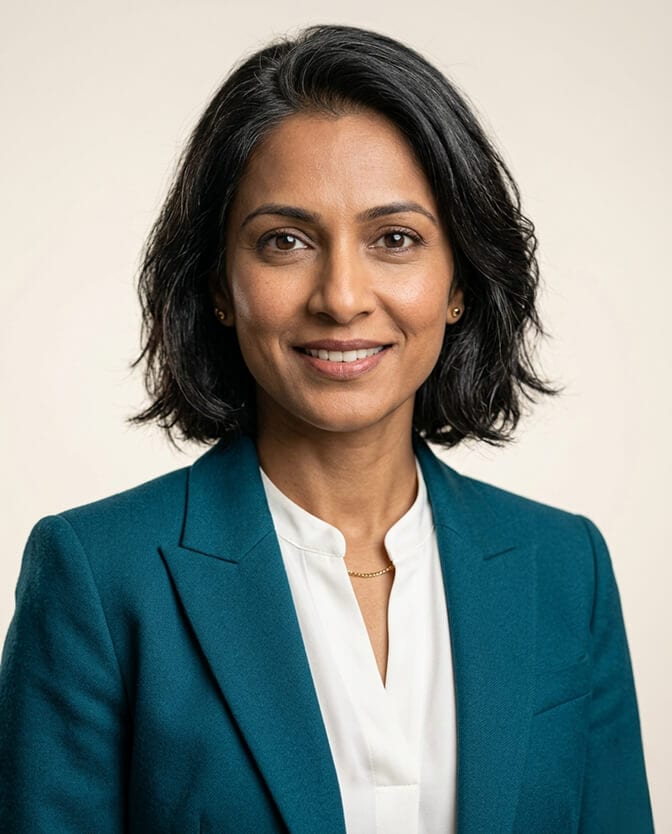
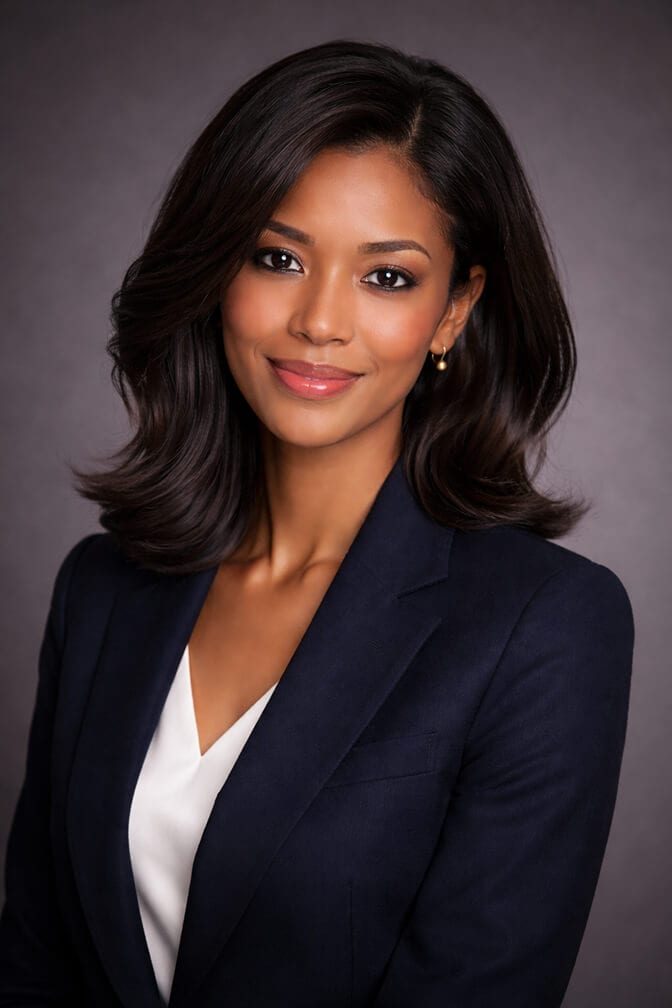
For professionals navigating this question and wanting to see what identity-accurate AI headshot outputs actually look like across different industries and demographics, browse AI headshot examples from Headshot Photo and apply the Zoom test to what you see.
The Policy Direction: Where This Is Heading in 2026 and Beyond
Stay with me here, because the trajectory matters for planning.
The direction of corporate AI policy broadly in 2026 is toward transparency and disclosure, not outright prohibition. The EU AI Act's transparency requirements, which came into fuller effect in August 2026, require disclosure when AI-generated content could deceive consumers. Several US states have enacted or proposed disclosure requirements for AI-generated content in commercial contexts.
Applied to headshots, the emerging regulatory direction is not "you cannot use AI to produce professional photos." It's closer to "you cannot use AI in ways that misrepresent who someone is."
That's actually a standard that quality AI headshots, produced with identity accuracy as the priority, can meet comfortably. A photo of you, rendered at professional quality by AI, that passes the Zoom test, is not a misrepresentation. It's a professional photo.
The headshots that will run into policy problems going forward are the ones that change how someone looks in ways that create real-world recognition gaps. Those are the outputs that fail both the ethical standard and the increasingly formal regulatory standard.
For companies building or updating their headshot policies, the practical guidance is: specify accuracy rather than prohibiting method. A policy that says "employee photos must accurately represent current appearance" is more durable and more practically enforceable than "no AI-generated photos," because the former targets the actual concern while the latter tries to target a production method that's becoming impossible to reliably detect anyway.
The Part That Actually Matters
The attorney who wrote to me in February updated her professional headshot two months later.
She used Headshot Photo.
The output passed her own Zoom test. She looked like herself. Professional, current, accurately represented. She didn't mention the production method on her updated bio page, because nobody asked and it wasn't relevant.
What she mentioned was that the photo finally looked like who she was now, not who she'd been when the previous studio photo was taken three years ago.
That's the actual goal of any professional headshot. AI is a production method. Accuracy and professionalism are the standards. When those standards are met, the production method becomes a technical detail that most policies, and most audiences, don't care about.
When those standards aren't met, the production method becomes the least of your problems.
Ready to create a headshot that meets every authenticity standard and actually looks like you? Get your professional headshot with Headshot Photo and apply the Zoom test to the output before publishing.
Frequently Asked Questions
1. What are corporate headshot authenticity policies and why are they emerging in 2026?
Corporate headshot authenticity policies are employer or professional body guidelines that specify standards for employee profile photos, including whether AI-generated images are permitted. They're emerging in 2026 primarily in regulated industries (law, finance, healthcare) where professional ethics rules around misrepresentation apply to the way professionals present themselves publicly. The core concern is not AI photo production per se, but whether the photo accurately represents the person it claims to show. Photos that create a meaningful gap between how someone looks online and how they appear in person are the specific target of these policies.
2. Are AI headshots banned in most companies in 2026?
No. Restrictions are concentrated in specific regulated industries including law, finance, and healthcare, where professional ethics and client trust concerns drive stricter standards. The majority of companies, particularly in tech, startups, and remote-first organizations, have no AI headshot restrictions and many actively use AI headshot programs for their teams. For individual professionals outside regulated industries, the question of whether to use an AI headshot is generally not a compliance question at all.
3. How do I know if my AI headshot meets corporate authenticity standards?
Apply the Zoom test: if someone transitions from seeing your headshot to a video call with you, does recognition happen immediately and without any adjustment? If yes, your headshot represents you accurately and meets the authenticity standard that most policies target. If the AI has altered your bone structure, made you appear significantly younger, or changed your appearance in ways that create a recognition gap, the headshot fails the authenticity test regardless of formal policy.
4. How should I respond if my company asks whether my profile photo is AI-generated?
Be straightforward about it. Honesty about AI tool use in professional contexts is both the ethical choice and increasingly the pragmatic one, since the conversation is normalizing and evasive responses create more credibility problems than the disclosure itself. If your AI headshot accurately represents your current appearance and passes the Zoom test, there's no misrepresentation concern to defend. The relevant question is accuracy, not production method.
5. Will AI headshot policies become stricter or more relaxed in the future?
The direction of regulation broadly is toward transparency and disclosure requirements rather than outright prohibition. The emerging standard is that AI-generated content must not deceive or misrepresent, which is different from "AI cannot be used." Quality AI headshots that accurately represent the subject are likely to remain fully appropriate in most professional contexts. The headshots that will face increasing scrutiny are those that create meaningful gaps between how someone appears in the photo versus in person.