
Spring/Summer 2026 Headshot Refresh: The Complete Wardrobe and Lighting Update Guide
The colors dominating spring 2026 runways look terrible on camera. Here's what actually works for a seasonal headshot update, and why most wardrobe advice gets this backwards.
Every spring, the same thing happens.
Fashion magazines declare the season's palette. Pastels. Bright whites. Canary yellows. Citrus oranges. And every spring, someone shows up to a headshot session holding those trends up like a reference photo.
"I want something fresh," they say. "Something that feels like this season."
And then they put on the butter yellow top and stand in front of the camera.
The camera is not kind to butter yellow. Neither is it kind to most of what the spring 2026 runway is producing. Pastels wash out complexions. Neon tones bounce color onto the face. The softest, most beautiful seasonal shades disappear in photographs or compete with the face in all the wrong ways.
Here's the thing: fashion trends and headshot wardrobe operate by completely different rules. What looks fresh and current on a runway model under editorial lighting looks completely different in a headshot context. And the disconnect catches people every single time.
This guide exists to bridge that gap. You can have a headshot that feels current and seasonally refreshed in 2026. You just need to understand which spring/summer elements actually translate and which ones need to be adapted.
Why Spring Wardrobe Trends Often Fail on Camera
Here's the weird part.
The same properties that make spring colors appealing in real life, their lightness, their softness, their brightness, work against you in a headshot. And it comes down to one concept: contrast.
In a headshot, your face needs to be the primary focal point. Everything else in the frame, your clothing, your background, your accessories, exists to support the face rather than compete with it. The way clothing supports the face is by creating clear contrast.
Light, pale colors create minimal contrast. A soft butter yellow top against a light background leaves the viewer's eye with nowhere specific to land. The face is just one light element among several light elements. The natural resting point of the eye, the face, loses its dominance.
Camera sensors and human visual processing both prioritize contrast. Your face becomes more compelling in a photograph when the clothing below it is darker, richer, or more saturated. Spring's love of pastels is headshot kryptonite.
This doesn't mean you can't incorporate spring energy into a seasonal headshot refresh. It means you need to translate the trend rather than import it directly.
The Spring/Summer 2026 Colors That Actually Work for Headshots
The good news: several colors that are genuinely current for spring and summer 2026 photograph beautifully.
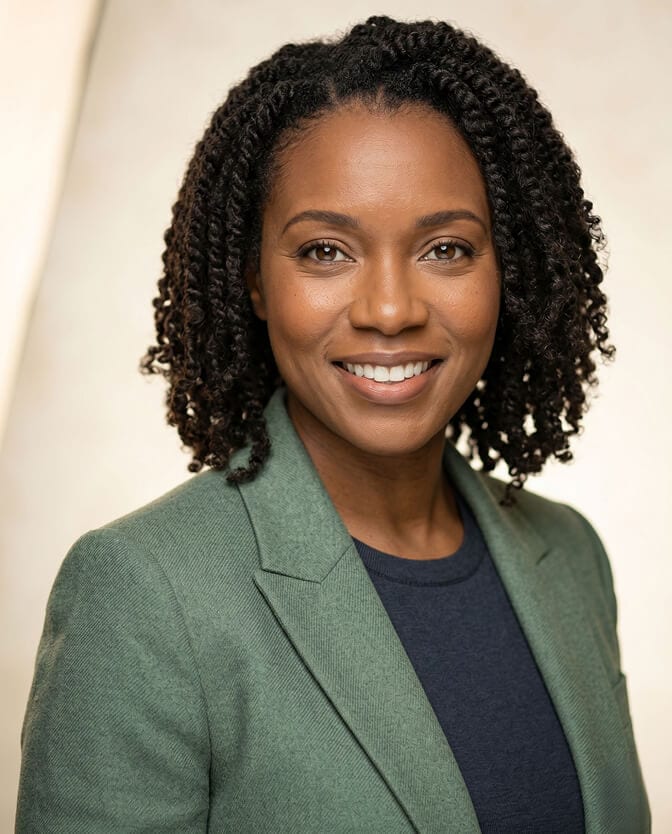
Sage green and soft earthy greens. Sage is being called one of the season's most versatile neutrals, and it translates surprisingly well on camera. It's soft enough to feel seasonally fresh but saturated enough to create facial contrast. It works particularly well for professionals in healthcare, wellness, education, and any role where approachability is a primary brand signal. Against a warm off-white or light gray background, sage creates a clean, modern look that reads as current without being trendy.
Rich teal. Teal sits at the intersection of blue and green, which makes it both a spring color and a perennial headshot performer. It creates exceptional contrast against most skin tones, has a richness under studio or natural lighting that reads as polished and distinctive, and feels distinctly current for 2026 without being loud. If you want your headshot to feel updated for this season while remaining professionally appropriate, a well-fitted teal top or blazer is one of the strongest choices available.
Chocolate brown. Brown is having a significant moment in 2026 spring fashion, positioned as the sophisticated neutral replacing black for warmer months. On camera, medium to deep brown works beautifully, particularly on warmer and deeper skin tones where it creates richness rather than contrast. It photographs with a warmth that navy and charcoal don't have. And it feels genuinely current for this season rather than timeless-but-neutral.
Muted coral and warm peach (carefully used). These are tricky on camera because lighter versions wash out complexions, but deeper, more muted versions (think dusty coral rather than bright peach) can work well as part of a layered outfit. A muted coral under a structured blazer, where only the neckline is visible, adds seasonal warmth without the overexposure problems that lighter corals produce.
Burgundy and plum. These aren't traditionally "spring" colors, but the 2026 season is bringing richer, deeper jewel tones into warm-weather wardrobes. Burgundy is one of the strongest performing headshot colors at any time of year. It photographs with depth and sophistication, works across skin tones, and creates exceptional facial contrast. If you're refreshing your headshot for spring and want something that performs reliably, burgundy paired with a softer background is nearly foolproof.
What to Avoid From the Spring 2026 Palette
This is where the runway-to-headshot translation breaks down most dramatically.
Canary yellow and bright butter yellow. Both are major spring 2026 fashion trends. Both are essentially unusable for headshots. Bright yellow bounces strongly onto surrounding surfaces, including skin, creating a color cast that no amount of editing fully corrects. Softer butter yellows wash out lighter complexions and disappear against lighter backgrounds. Save these for your wardrobe, not your headshot.
Pastels broadly. Powder pink, lavender, mint, and the full soft palette of spring 2026 share the same problem: insufficient contrast. They can work in very specific combinations (a pale pink under a charcoal blazer, visible only at the collar) but as primary clothing choices they produce headshots where the face floats among similarly light elements.
Neons and saturated brights. Electric fuchsia and vibrant violet are having a genuine fashion moment. On camera, highly saturated brights create color bounce (the hue literally reflects onto adjacent skin) and pull the viewer's eye to the clothing rather than the face. A hint of these colors in an accessory is safer than wearing them as a primary color.
Busy spring prints. Wide stripes, painterly florals, and polka dots are all significant spring 2026 fashion trends. All of them are essentially problematic in headshots. Large patterns compete with the face. Fine patterns like tight stripes create a vibrating moiré effect on camera. Florals produce busy backgrounds in what should be clean, face-forward frames. Solid colors almost always produce stronger headshots.
The Seasonal Lighting Update: What Changes in Spring and Summer
Wardrobe isn't the only thing worth revisiting for a seasonal headshot refresh. Lighting conditions change significantly between winter and spring/summer, and those changes affect both traditional photography sessions and AI headshot input photos.
More available natural light. This is the most practically significant change. Longer days and stronger ambient light mean better window light opportunities for input photos. A north-facing window on an overcast spring day produces near-perfect soft, diffused light. Early morning and late afternoon bring golden warmth that photographs beautifully. The best spring/summer input photo light is overcast or open-shade outdoor light from a position where you're facing the sky rather than direct sun.
Direct sunlight is harsher in summer. This is the counterpoint. While overall light availability improves dramatically in spring and summer, direct sunlight becomes more aggressive. Midday sun from a south-facing window or outdoor shooting in direct sun produces hard shadows under the eyes and nose that are unflattering in headshots and that AI models have to work harder to correct. If shooting outdoors in spring/summer, choose open shade (under a building overhang or tree canopy) rather than direct sun.
Warmer color temperature. Spring and summer light has a warmer color temperature than winter light. This affects skin rendering in photographs, generally in a flattering direction for warm and neutral skin tones. If you're shooting input photos near a window in spring, the warmth of the ambient light can complement complexions that look slightly cold or flat in winter window light.
If you want to see how different wardrobe choices translate across backgrounds and lighting styles before committing to your refresh, browse AI headshot examples from Headshot Photo across different professionals and color choices. The difference between colors that work on camera and those that don't is immediately visible once you know what to look for.
The Seasonal Headshot Refresh Checklist for Spring/Summer 2026
Here's the practical guide. Work through this before shooting your seasonal refresh.
Wardrobe audit. Pull out three to four solid-color options that are seasonally appropriate and camera-ready. Teal, sage, chocolate brown, muted coral, burgundy, deep navy (always reliable), and charcoal are your strongest choices. Set aside the bright spring colors for your regular wardrobe.
Fit check. Clothing that fitted well in winter may fit differently in spring. Confirm everything you're planning to wear fits correctly before shooting. Slightly fitted always photographs better than slightly loose.
Background assessment. Spring/summer light is brighter and warmer, which can affect how backgrounds read. A wall that looked fine for winter indoor shooting may now be affected by stronger sunlight from different angles. Check your intended background at the same time of day you plan to shoot.
Light source planning. Identify the best window light in your space for spring/summer conditions. Note which windows receive direct sun (avoid for headshots) and which receive indirect ambient light (ideal). North-facing windows are the consistent winner. East-facing windows are excellent in the morning before direct sun reaches them.
Expression refresh. Spring and summer tend to call for slightly warmer, more open expressions than the composed authority signals that work better in winter contexts. Consider whether your target industry warrants a warm smile for your seasonal update, or whether a composed confident neutral still best serves your professional context.
Timing. Spring is one of the highest-activity periods for professional networking, hiring, and conference attendance. Updating your headshot in April or May means your fresh photo coincides with the professional context where it gets the most use.
For professionals who want to incorporate spring/summer wardrobe choices into their headshots without the cost and scheduling of a traditional photography session, create your seasonal headshot refresh with Headshot Photo and generate a full set from your updated spring wardrobe in a single upload session.
The Part About Feeling Current Without Looking Trendy
Stay with me here, because this is where the seasonal headshot philosophy gets interesting.
There's a meaningful difference between a headshot that feels current and a headshot that chases trends.
A trendy headshot uses the specific palette and styling of a given season so closely that it dates within twelve to eighteen months. A current headshot uses the underlying energy of the season (warmer tones, slightly more relaxed formality, a fresher quality) while staying within the color and styling range that photographs reliably.
The goal for a spring/summer 2026 headshot refresh is the second thing. The photo should feel like it was taken now, not like it's performing a trend. When someone looks at it two years from now, it should still read as clean and professional rather than "oh that was definitely 2026."
Teal over canary yellow. Sage over mint. Chocolate brown over bright coral. Rich burgundy over powder pink. The seasonal energy is there, expressed in colors that the camera can actually handle.

The Real Takeaway
A seasonal headshot refresh isn't about following fashion. It's about using the natural energy of a new season as a prompt to update something that may need updating anyway.
Spring and summer 2026 give you a genuine reason to pull out the teal blazer, try the sage option, consider whether the chocolate brown top you bought but haven't used would look better on camera than your reliable navy.
The answer is often yes. And the result is a headshot that feels fresh because it is fresh, not because it's wearing a trend that already has an expiration date.
For a deeper guide on how wardrobe and background choices interact in the AI headshot output, the background and outfit guide from Headshot Photo covers the full color and styling framework before your next session.
Frequently Asked Questions
1. What is a seasonal headshot refresh and when should I do one?
A seasonal headshot refresh is an intentional update to your professional headshot that incorporates current wardrobe colors, updated styling, and seasonal lighting conditions. Spring and summer are the most practical seasons for a refresh because natural light improves significantly, professional activity peaks with conferences and hiring seasons, and the energy of new seasonal color palettes provides natural motivation to update. Most professionals benefit from refreshing their headshot every 2 to 3 years, and seasonal transitions are a natural trigger for that update. Our outdated headshot upgrade checklist covers the full audit framework.
2. Which spring/summer 2026 colors work best for a professional headshot?
The strongest performers from the spring/summer 2026 palette are teal, sage green, chocolate brown, muted coral (as an accent under a blazer), and rich burgundy. These colors balance seasonal freshness with the contrast requirements of headshot photography. Colors to avoid include bright canary yellow, soft pastels, neon fuchsia, and the broad range of spring-light tones that lack sufficient contrast against typical backgrounds.
3. How does natural light change in spring and summer for headshot input photos?
Spring and summer bring longer days, more ambient light, and warmer color temperatures, all of which generally benefit headshot photography. North-facing windows and open-shade outdoor locations produce ideal soft diffused light throughout the day. The main thing to avoid is direct sunlight, which becomes more intense and creates harsh facial shadows in the warmer months. Early morning and late afternoon light are the most flattering outdoor options.
4. Should I use AI headshots for a seasonal refresh or book a traditional session?
Both options work for a seasonal refresh. AI headshot tools offer a practical advantage for seasonal updates specifically because you can test multiple spring/summer wardrobe options from a single upload session and compare how different colors look in the finished headshot before committing to one. Traditional sessions offer real-time photographer coaching on lighting and expression. For most professionals doing a routine seasonal refresh rather than a major rebrand, AI headshot tools provide sufficient quality with significantly less cost and scheduling friction.
5. How do I make my spring headshot feel current without looking too trendy?
Choose colors from the current seasonal palette that photograph reliably rather than colors that are at peak trend saturation. Teal, sage, and chocolate brown all feel genuinely current for spring/summer 2026 while remaining within the color range that cameras handle well. Avoid the season's most extreme or fragile trend colors (bright yellows, pastels, neons) which look immediately dated as soon as the trend passes. The goal is a headshot that reads as taken now, not one that performs a trend with an expiration date.