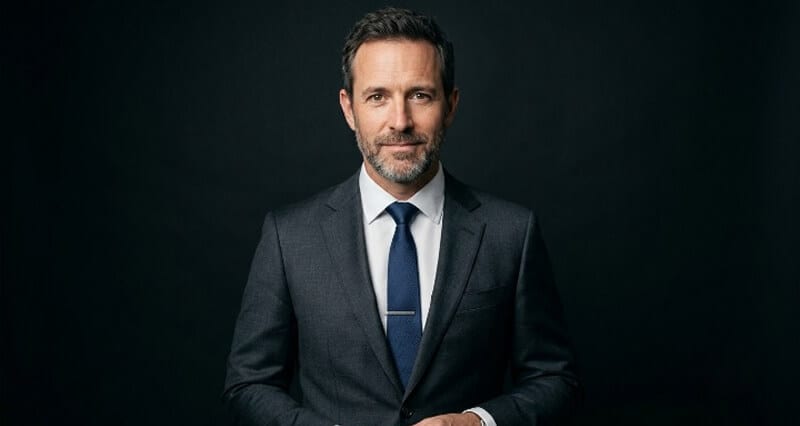
Why Your Smiling Headshot Might Be Hurting You (Industry-Specific Smile Guide)
The research on what your smile actually signals, and why the same grin that wins in sales can quietly cost you in law, finance, or the C-suite.
I once watched two people upload almost the same headshot.
Same lighting. Same background. Same blazer, near enough. The only difference was the smile. One had a big, warm, teeth-out grin. The other had a calm, closed-mouth almost-smile.
Both looked great. But for the jobs they were chasing, one of them picked wrong.
Here's the thing nobody tells you. "Just smile" is the most common headshot advice on the internet, and it's not wrong exactly. It's just incomplete in a way that can quietly work against you.
Stay with me, because the research on smiles is more interesting than the advice suggests.
First, the part that defends smiling
Let me be fair before I complicate things.
Smiling generally helps. The research is pretty consistent that a genuine smile makes you look warmer, friendlier, more trustworthy, and yes, often more competent than a flat neutral face. In one study on professional photos, smiling faces were rated the most favorably and read as the most professional, partly because a smile is less ambiguous than a blank expression.
A real smile also leaks honesty. People are slightly better at reading your actual personality from a smiling photo than a neutral one. The smile gives them real data.
A genuine smile isn't fluff. It's a signal of warmth and trust that a neutral face can't fake.
So no, I'm not here to tell you to stop smiling. I'm here to tell you that which smile, and how much, depends entirely on what you're trying to signal.

Here's where it gets messy: warmth versus authority
When someone looks at your face, their brain runs two dials at once. Warmth and competence. Or put more bluntly: Can I trust you? and Should I respect you?
A big warm smile pushes the warmth dial up hard. Wonderful for trust and likability.
But here's the weird part. Research on dominance and authority found that the same person photographed with a big smile was judged as less physically dominant and less authoritative than when they wore a neutral, composed expression. The smile signaled "friendly and approachable," which is sometimes the exact opposite of "in charge."
So the warm grin that makes a kindergarten teacher look perfect can make a litigator or a hedge fund partner look... soft. Not incompetent. Just less commanding than the role demands.
This is where most people get it wrong. They optimize for "likable" when their industry is quietly scoring them on "authoritative."
The industry-specific smile guide
Let me make this practical. Match the smile to the signal your field rewards.
Sales, real estate, hospitality, coaching, recruiting. Go warm. A genuine, teeth-out smile is your friend here. Your whole job is approachability and trust, and the warmth dial is exactly what closes deals and books calls. Don't hold back.
Healthcare, education, nonprofit, customer success. Warm but calm. A real smile reassures people, which is most of the job, but keep it relaxed rather than salesy. You want "I will take care of you," not "I am selling you something."
Tech and engineering. Middle ground. The research on software roles actually found smiling read as more competent than neutral, which surprises people. A relaxed, genuine smile or a soft closed-mouth smile both work. Avoid the staged "thinking pose" with a hand on the chin, which tested as the least competent of all.
Law, finance, executive leadership, consulting. Dial it down. This is where a giant grin can cost you. A composed, closed-mouth smile or a confident neutral expression signals the authority and gravitas these roles are judged on. You're selling judgment and command, not friendliness.
Creative fields. Almost anything goes, but let it match your personal brand. A designer can be playful. An architect might want restrained and serious. Authenticity beats formula here.
If you want a deeper look at how expression expectations shift by field, the breakdown on industry-specific headshots maps tech, finance, healthcare, and creative side by side.

The real villain isn't the smile. It's the fake one.
Here's the part that matters most, and it cuts across every industry.
A forced smile is worse than no smile at all.
You know the one. Mouth stretched, eyes dead, the expression of someone being told to smile by a photographer counting down from three. Our brains are exquisitely tuned to spot it. A real smile crinkles the eyes. A fake one stops at the mouth, and everyone can feel the difference even if they can't name it.
A genuine calm expression beats a forced big grin every single time. Authenticity is the variable that actually moves trust.
This is the trap of "just smile." People hear it, panic, and manufacture a grin that signals anxiety instead of warmth. The fix isn't a bigger smile. It's a realer one, or a confident neutral that you can actually hold without straining.
If you've ever frozen up the second a camera points at you, getting a natural expression on demand is genuinely hard, and that's exactly the problem we built around. You can generate a professional headshot with Headshot Photo and get a range of expressions, warm, neutral, composed, to pick the one that fits your field, without the pressure of performing on cue.
For the science of why a calm, controlled expression often reads so well, the piece on the confident neutral expression is worth a read, and if you want to see where expression fits into the bigger picture, the 2026 headshot trends rundown covers what's landing now.
What I'd actually tell a friend
Forget the one-size advice. Ask yourself one question before you pick your photo.
What does this specific audience need to feel about me in one second?
If the answer is "warm and approachable," smile, really smile. If it's "sharp and in command," go composed. If you're not sure, a relaxed, genuine, soft smile is the safest default across almost every field, because it carries warmth without surrendering authority.
The mistake was never smiling. The mistake is smiling on autopilot, the same way for every role, and hoping it works.
Here's the soft truth to end on. Your face is allowed to be strategic. Choosing the expression that fits your work isn't fake, any more than choosing the right outfit is. It's just showing up as the version of yourself the moment calls for.
If your current headshot has the wrong smile for the room you're trying to enter, that's a five-minute fix, not a personality flaw. You can see Headshot Photo pricing and get a set of expressions to choose from before your next big application.
Frequently Asked Questions
Should you smile in a professional headshot?
Usually yes, but the kind of smile matters more than whether you smile. A genuine smile boosts perceived warmth, trustworthiness, and often competence. The exception is high-authority fields like law, finance, and executive leadership, where a composed closed-mouth smile or confident neutral expression can signal more gravitas than a big grin.
Smiling versus neutral expression: which looks more competent?
It depends on the role. Research on professional photos found smiling often reads as more competent and more professional than neutral, especially in approachable fields, and even tested well for technical roles. But neutral and composed expressions read as more authoritative and dominant, which suits leadership and high-stakes professional roles better.
How do I get a natural smile in a headshot instead of a forced one?
A real smile engages the eyes, not just the mouth, so think of something genuinely amusing or relaxing right before the shot rather than holding a pose. Taking many frames helps you catch a real one. If smiling on cue feels impossible, an AI headshot tool can generate a range of natural expressions for you to choose from.
Is it worth getting different headshots for different industries?
For many professionals, yes. The expression that wins in sales can undercut you in finance, so having a warm version and a composed version gives you the right signal for each audience. AI headshot tools make multiple expressions affordable, so you are not paying for separate photographer sessions just to change a smile.
Is a neutral expression bad for a headshot?
Not at all, as long as it is a confident neutral and not a tense or blank stare. A composed neutral expression signals authority and calm, which works well for leadership, legal, and finance roles. The risk with neutral is ambiguity, so it should look intentional and relaxed rather than stiff.