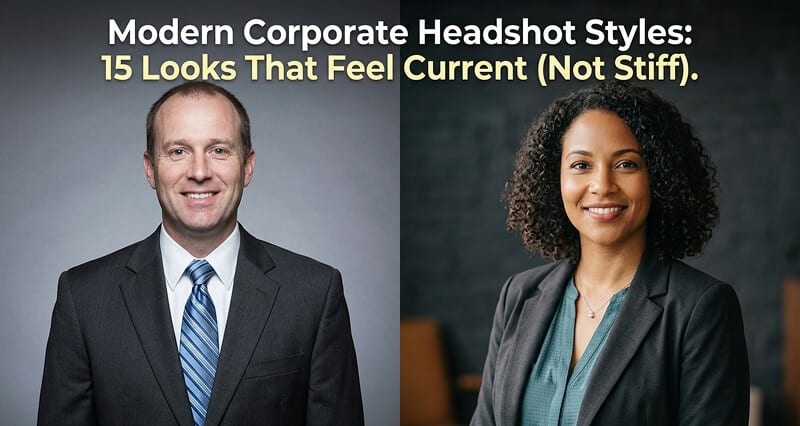
Your corporate headshot doesn't need to look like a hostage photo. Here are 15 modern styles that actually make people want to work with you.
I was reviewing our company's "About" page last year when it hit me.
Every single headshot looked like it was taken at gunpoint.
Stiff shoulders. Forced smiles. That weird thing people do with their hands when they don't know where to put them. And backgrounds so generically grey, they could have been shot inside an elevator.
These are smart, interesting people, I kept thinking. Why do they all look like they're being held against their will?
That was the moment I started obsessing over modern corporate headshot styles. Not as a vanity project. As a business problem. Because when your team looks rigid and outdated on your website, potential clients feel it. They just can't always articulate why.
Here's the thing: the corporate headshot has changed more in the last three years than in the previous twenty. And most companies haven't caught up.
Let me show you what's actually working right now.
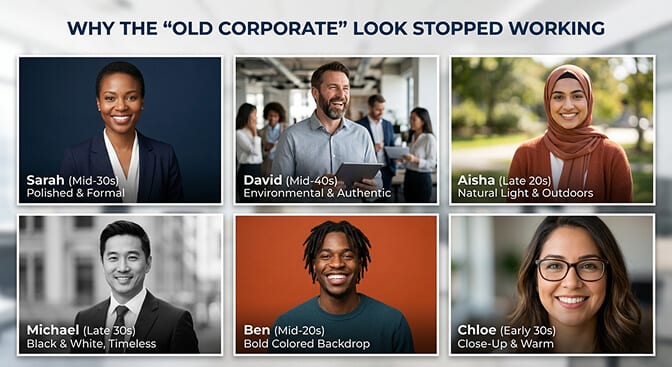
Why the "Old Corporate" Look Stopped Working
Before we get into styles, a quick reality check.
The stiff corporate headshot was built for a world of printed annual reports and formal directories. That world is mostly gone.
Today, your headshot shows up on LinkedIn (where recruiters form judgments in seconds), your company website, Slack, Zoom, conference speaker pages, and email signatures. It needs to work at 40 pixels AND 400 pixels. It needs to look good on a phone screen AND a conference stage banner. If you're unsure about the right dimensions for each platform, our guide on professional headshot dimensions covers exactly what you need.
The modern corporate headshot has to do four things at once: look professional, feel approachable, reflect your brand, and hold up across a dozen different platforms and sizes.
That's a tall order for one photograph.
But here's where it gets interesting: you don't have to pick just one style anymore.
The 15 Modern Corporate Headshot Styles Worth Knowing
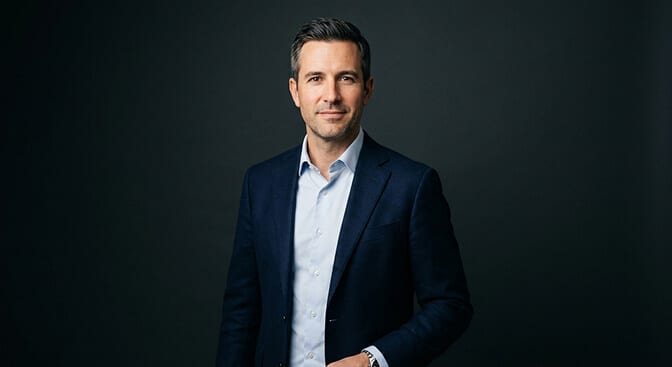
1. The Confident Neutral
This is the 2026 version of the "classic" corporate headshot. Clean background (usually dark charcoal or deep navy, not that washed-out grey). A composed expression that says "I know what I'm doing" without being intimidating. Structured clothing, but nothing that looks uncomfortable.
Best for: Finance, law, consulting, senior leadership.
The key detail: The expression. It's not a smile, exactly. It's more like the face you'd make greeting a respected colleague. Warm eyes, relaxed jaw, quiet confidence. If you need inspiration for finding that exact look, our breakdown of good headshot examples shows what "confident neutral" actually looks like across different faces.
2. The Environmental Portrait
You're photographed in a real space: your office, a co-working lounge, a modern lobby. The background tells a story, but it's slightly blurred so the focus stays on you.
Best for: Startups, tech companies, real estate, creative agencies.
The key detail: The background should be recognizable as "a place" without being distracting. Slightly blurred (photographers call this bokeh) keeps you as the star while adding depth and personality. For a full list of settings that work, our guide to headshot background ideas breaks it down by profession and industry.

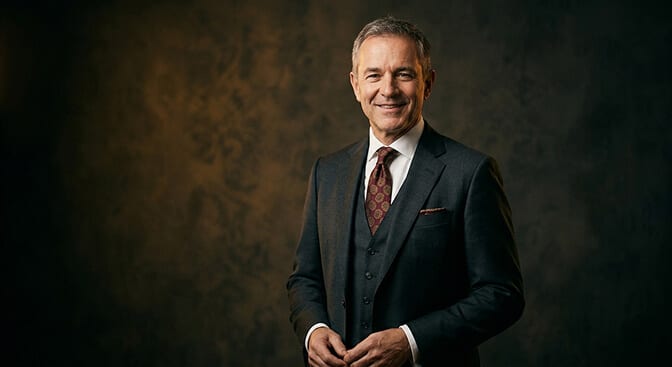
3. The Warm Executive
This is the executive headshot, reimagined. In 2026, the best leadership portraits feel approachable and authoritative at the same time. Think: "I'd trust this person with a $50 million decision AND a casual dinner conversation."
Best for: C-suite executives, board members, managing partners.
The key detail: Warmer lighting than traditional executive portraits. A slightly wider frame (showing the shoulders naturally, not cropped tightly to the neck). And critically, a real expression. Not a power pose. Not a politician's grin. We wrote a complete guide on executive headshots that covers exactly how to nail this look, whether you're a first-time CEO or a seasoned board member.
4. The Natural Light Look
Soft, diffused window light or outdoor golden hour creates a headshot that feels effortlessly real. No harsh studio flashes. No dramatic shadows. Just you, looking like the best version of your actual self.
Best for: Coaches, consultants, wellness professionals, authors, speakers.
The key detail: The light source matters more than the camera. Face a large window. Shoot during the hour before sunset if you're outdoors. This style photographs skin the way it actually looks in real life, which is why it feels so trustworthy. If you want to try this look at home, our DIY professional headshots guide walks through exactly how to set up window lighting with zero equipment.

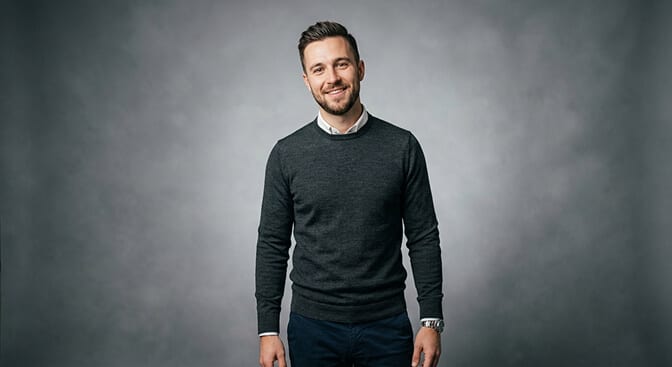
5. The Business Casual
No blazer. No tie. Just a clean, well-fitted shirt or sweater that says "I take my work seriously, but I'm not wearing a costume."
This style has exploded since remote work became the norm. It's the headshot equivalent of how most professionals actually dress for Zoom calls.
Best for: Tech, marketing, product management, design, mid-level professionals across industries.
The key detail: Fit is everything. A wrinkled crew neck looks sloppy. A well-fitted cashmere V-neck looks intentional. Our team put together a full guide on business casual headshots that covers wardrobe, posing, and background pairings in detail.
6. The Bold Color Backdrop
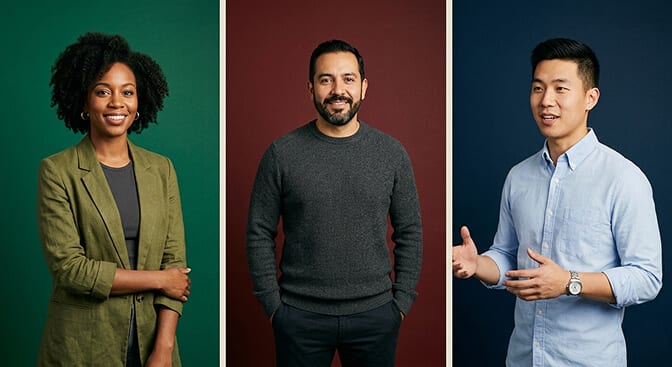
Forget safe grey. In 2026, companies are using deep navy, dusty rose, olive green, and even jewel tones like emerald or burgundy as headshot backgrounds.
Best for: Marketing professionals, creative directors, personal brands, anyone in competitive industries where standing out on a LinkedIn feed matters.
The key detail: The color should complement your skin tone, not compete with it. Dark skin looks stunning against rich jewel tones. Lighter complexions pop against deep navy or forest green. For a deeper breakdown on picking the right shade, our guide on best headshot background colors maps it by skin tone and industry.
7. The Black and White
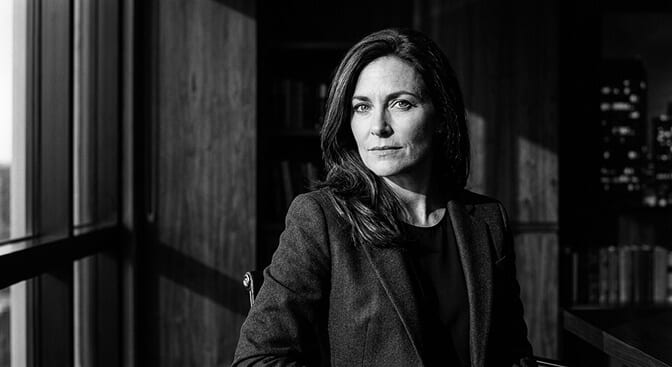
This is a power move when done right. Black and white headshots strip away color distractions and force attention onto your face, your expression, your presence.
But here's the honest truth: this style is unforgiving. It highlights texture and contrast, so skin needs to look good and the lighting needs to be precise.
Best for: Creatives, authors, speakers, consultants building a strong personal brand.
The key detail: Not every photo works in black and white. The ones that do usually have strong directional light and a subject with an expressive face. Don't just slap a filter on your color headshot and call it done. If this style speaks to you, our deep dive on black and white headshots covers the lighting, posing, and editing nuances that separate a stunning monochrome portrait from a lazy grayscale conversion.
8. The Branded Shot
Your personal or company brand is woven directly into the image. Company colors in the background. Props that signal your profession. A setting that screams "this is who I am" without literally putting a logo in the frame.
Best for: Entrepreneurs, personal brands, thought leaders.
The key detail: Subtle beats obvious. A marketing director with their company's brand color as a background accent feels intentional. A logo plastered behind your head feels like a bad PowerPoint slide.

9. The Editorial Close-Up
Tight framing, just your face and maybe the top of your shoulders. This style borrows from magazine photography and works incredibly well on LinkedIn, where your profile photo renders at a small size.
Best for: Anyone whose headshot will primarily be viewed on digital platforms, especially LinkedIn and email signatures.
The key detail: When the frame is this tight, expression is everything. A relaxed brow, engaged eyes, and a natural mouth position make the difference between "magazine cover" and "mugshot." If you want to understand exactly how your face should fill the frame, our guide to headshot photo size covers the crop ratios and aspect ratios for every major platform.
10. The Relaxed Leadership Pose
Here's where most corporate headshots still get it wrong.
They pose people like mannequins: squared to the camera, arms at the sides, chin tilted at that weird "photographer said look up" angle.
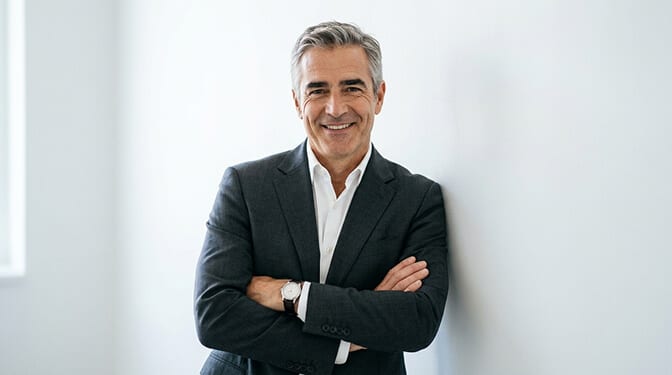
The 2026 approach? Your body is angled slightly. Maybe you're leaning against something, or seated with one arm resting naturally. It communicates confidence without rigidity.
Best for: Any leader or senior professional who wants to look approachable.
The key detail: The lean should look natural, not posed. If you can see the person thinking about where their hands go, the pose isn't working. Check out our best professional headshot poses guide for more ideas on finding your angle without looking like a catalog model.
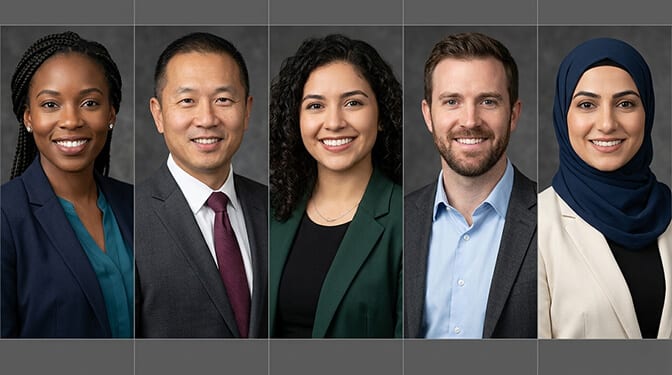
11. The Team Consistent
This isn't a single look, it's a system. Every person on the team is shot with the same lighting, the same background, and the same crop ratio. Individual personality still comes through in expression and wardrobe, but the visual consistency says "this is a real, organized company."
Best for: Companies updating their "About Us" or "Team" pages. Any organization where mismatched headshots currently make the page look chaotic.
The key detail: Consistency is the product. Same photographer (or same AI tool with the same settings). Same background shade. Same aspect ratio. Same retouching level. If you're managing this for a distributed team, our company headshots page explains how we handle this at scale for remote and hybrid teams.
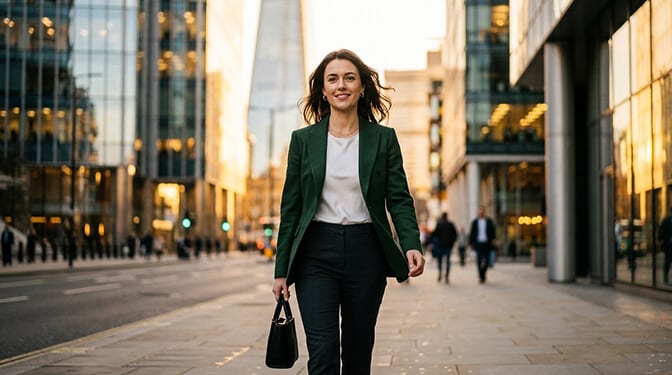
12. The Outdoor Urban
City streets. Architectural lines. A modern building facade. The urban environment as your backdrop communicates ambition, modernity, and a certain metropolitan energy.
Best for: Real estate agents, startup founders, consultants in major metros, anyone whose location is part of their brand.
The key detail: Time of day matters enormously. The "magic hour" just before sunset gives you that warm, flattering light. Midday sun creates harsh shadows under the eyes. Early morning works too, especially in cities with strong architectural elements. For more location-based inspiration, our piece on outdoor professional headshots covers the best settings and times to shoot.
13. The Approachable Expert
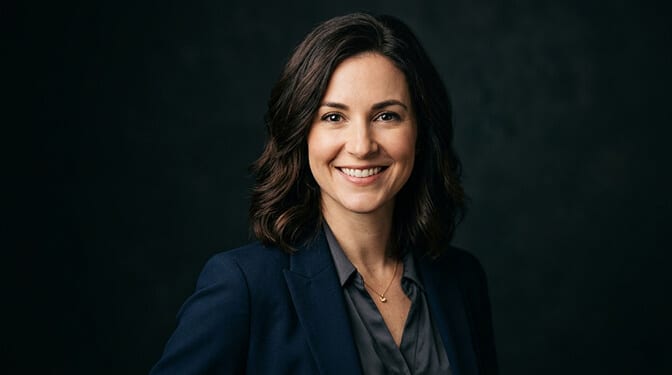
A genuine, full smile. Not a smirk, not a closed-lip "I'm being professional" expression. An actual smile that reaches the eyes.
For years, the advice was to keep corporate headshots "serious." That era is over. Studies on first impressions consistently show that warmth and competence are the two traits people judge fastest. A real smile signals both.
Best for: Healthcare professionals, educators, customer-facing roles, sales, HR, anyone whose job requires people to trust them quickly.
The key detail: The smile needs to be real. Photographer-induced smiles look forced because they are. The best photographers get you talking, laughing, and then capture the genuine expression that follows. AI tools trained on your best photos can replicate this naturally, too. If you're in healthcare specifically, our guide on doctor professional headshots covers the exact balance between clinical authority and patient warmth.

14. The Minimal Modern
Stripped down to essentials. One color background. One light source. Clean lines. No props, no environment, no visual noise of any kind. Just you.
This style borrows from minimalist design principles: what you remove matters as much as what you include.
Best for: Designers, architects, tech leaders, anyone whose professional identity values simplicity and clarity.
The key detail: Because there's nothing else in the frame, every detail on your person matters more. Collar alignment. Hair placement. The line of your jawbone. This is the style where "the details are the design." Choosing the right outfit becomes even more critical here, and our guide on best outfits to wear for headshots helps you pick exactly the right piece for a minimal frame.
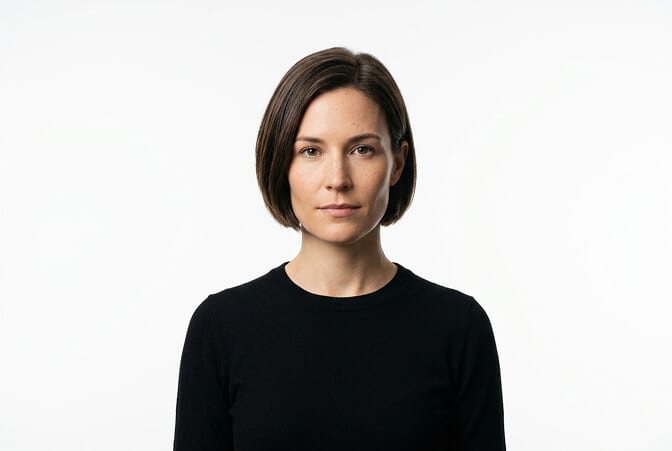
15. The AI-Generated Modern Portrait
Let's talk about the elephant in the room.
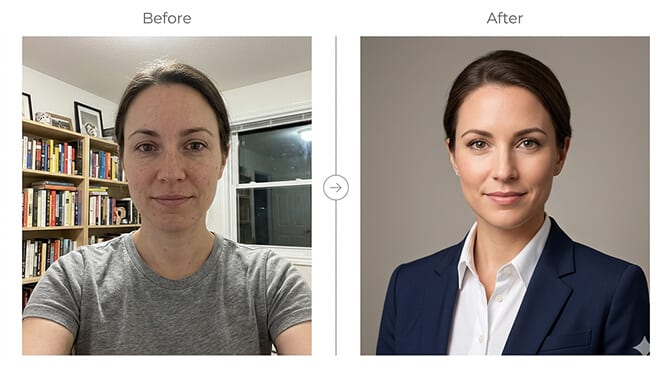
AI-generated headshots have gone from novelty to legitimate option. Not the uncanny-valley nightmares from 2023 that made everyone look like a wax figure. We're talking about modern AI tools that take your existing photos and generate professional portraits across multiple styles, backgrounds, and outfits. In minutes.
Best for: Professionals who need a solid headshot fast, remote teams that need visual consistency without coordinating schedules, anyone who wants to try multiple styles before committing to a single look.
The key detail: The quality of your input photos determines the quality of your output. Upload clear, well-lit selfies, and you get professional results. Upload blurry, poorly-lit photos, and even the best AI can only do so much.
This is actually why we built Headshot Photo. We watched people spend $300 to $500 per session, wait weeks for retouched photos, and end up with one or two usable shots. We thought: what if you could try all 15 styles on this list in under an hour?
If you're curious what the results actually look like, our AI headshot before and after transformations page shows real uploads compared to finished portraits across dozens of professional styles. And our examples gallery lets you browse hundreds of finished results by profession and style.
So Which Style Should You Choose?
Here's my honest take after spending years in this space.
Don't overthink it.
Pick the style that matches where you want to go professionally, not where you are right now. A mid-career professional eyeing a VP role should shoot for the Warm Executive, not the Business Casual. A designer at a creative agency can lean into the Minimal Modern without worrying that it's "too different."
And if you're still unsure about the differences between these styles and whether you need a headshot or a full portrait, our comparison of headshot vs portrait clears that up fast.
The best corporate headshot is one you'd actually use. Not the one that "looks most professional" by some outdated standard. The one you look at and think, that looks like me on a really good day.
And if you're sitting there thinking "I need to update mine, but scheduling a photographer feels like scheduling a root canal"... I get it. That's exactly the friction that keeps people using headshots from 2019.
If you want to skip the scheduling, the awkward posing, and the $400 invoice, try Headshot Photo. Upload a few good selfies, pick your style, and get studio-quality results in about 1 hour.

The Part Nobody Tells You
Your headshot has a shelf life.
Industry consensus puts it at about two to three years. After that, you've probably changed enough (hairstyle, weight, glasses, general aging) that the photo stops accurately representing you. And a headshot that doesn't look like you is worse than no headshot at all.
If you're not sure whether your current headshot still holds up, our piece on professional headshot tips: dos and don'ts includes a simple checklist to evaluate whether it's time for an update.
The real modern corporate headshot strategy isn't getting one perfect photo. It's having a system that lets you update regularly, try new styles as your career evolves, and maintain consistency across your team.
That's the shift happening right now. And the professionals and companies who get it are already ahead.
Frequently Asked Questions
What is a modern corporate headshot?
A modern corporate headshot is a professional portrait designed for today's digital platforms. It prioritizes natural expressions, clean backgrounds, flattering lighting, and authentic representation over the stiff, overly posed studio portraits of the past. The goal is to look both credible and approachable.
How do modern corporate headshot styles compare to traditional headshots?
Traditional headshots typically feature flat lighting, generic grey backdrops, and rigid poses. Modern styles use softer, more directional lighting, bolder or darker backgrounds, relaxed posing, and natural expressions. The shift reflects how people interact professionally today: digitally, informally, and visually.
How do I pick the right corporate headshot style for my industry?
Match the style to your audience's expectations. Finance and law lean toward the Confident Neutral or Warm Executive look. Tech and startups favor Business Casual or Environmental Portraits. Creatives can experiment with Bold Color Backdrops or Black and White. When in doubt, choose one step more approachable than your industry norm.
Is it worth using AI for a modern corporate headshot?
For most professionals, yes. AI headshot generators have improved dramatically and can produce studio-quality portraits from your existing photos in minutes, at a fraction of the cost of a traditional photo session. They're especially valuable for remote teams that need consistent headshots without coordinating in-person shoots.
How often should I update my corporate headshot?
Every two to three years, or sooner if your appearance has changed noticeably. An outdated headshot can actually work against you, creating a disconnect when people meet you in person or on video. Regular updates keep your professional image current and trustworthy.