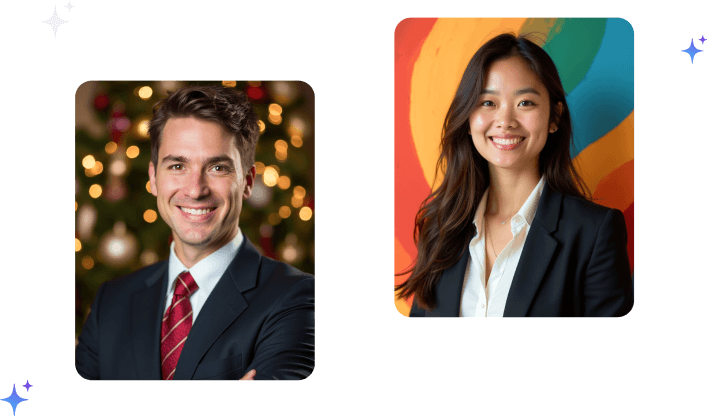
They look similar. They cost different amounts. And choosing wrong means either overpaying or underpreparing. Here's how to tell them apart.
A friend called me last year in a mild panic.
She'd just been promoted to VP at her company. New title, new responsibilities, new "please update your headshot for the website and LinkedIn" email from HR.
So she Googled "portrait photographer near me" and booked a session. $450. Two-hour shoot. Three outfit changes. Twelve locations around the photographer's studio and a nearby park.
The photos were beautiful. Artistic. Moody lighting. Her sitting on a staircase in a leather jacket, looking contemplative. Her leaning against a brick wall with natural light streaming across her face.
"They're gorgeous," she told me. "But HR rejected all of them."
The company needed a standard headshot. Head and shoulders. Clean background. Professional expression. Consistent with the rest of the leadership team page.
She'd paid portrait prices for portrait photos when all she needed was a headshot.
This happens more than you'd think. And it happens because most people don't understand the difference between a headshot and a portrait. They sound like the same thing. They involve the same equipment. But they serve completely different purposes, and confusing them costs you either money, time, or both.
Let me clear this up.
The Simple Version
A headshot is a tool. A portrait is a story. A headshot gets you recognized. A portrait gets you understood.
That's the core difference. Everything else flows from there.
A headshot exists to answer one question: What does this person look like? It's functional, standardized, and designed for small-format display: LinkedIn thumbnails, company websites, email signatures, business cards, conference badges.
A portrait exists to answer a different question: Who is this person? It's expressive, creative, and designed to communicate personality, mood, environment, or narrative.
Both are photos of people. Both can be beautifully shot. But they serve different jobs, and understanding which job you're hiring the photo to do changes everything about what you should book, how much you should pay, and what you should expect.
Headshot: The Professional Tool
A professional headshot has a specific formula. Not because photographers lack creativity. Because the format is designed for consistency and recognition.
Framing: Head and shoulders. Sometimes mid-chest. The crop is tight enough that your face fills most of the frame. When this photo appears as a LinkedIn thumbnail at 100x100 pixels, your face needs to be immediately recognizable.
Background: Clean and simple. Solid color (gray, white, dark blue) or softly blurred. Nothing that competes with your face for attention. The background exists to disappear.
Lighting: Even, flattering, designed to minimize shadows and present your features clearly. Most headshot photographers use soft front lighting or a modified three-point setup. The goal is clarity, not drama.
Expression: Approachable and professional. Slight smile or confident neutral. You're making a first impression, not telling a story.
Clothing: Professional attire appropriate to your industry. Clean lines, solid colors, minimal patterns. The clothing supports the impression but doesn't dominate.
Use cases: LinkedIn profiles, company team pages, email signatures, conference speaker bios, business cards, press mentions, professional directories.
Here's the key: a good headshot should look like you on your best professional day. Not you on vacation. Not you at a photoshoot. You, walking into a meeting, but with perfect lighting.
For a deeper breakdown of what makes a professional headshot work, we've written a full guide to the best headshot poses that covers posing, expression, and framing.

Portrait: The Creative Story
A portrait is a much broader category. Technically, a headshot IS a type of portrait. But when photographers say "portrait" versus "headshot," they mean something with more creative freedom and narrative depth.
Framing: Anything goes. Head and shoulders, three-quarter length, full body. The composition might include the subject's environment, workspace, tools, or meaningful objects. A portrait of a chef might include their kitchen. A portrait of a musician might include their instrument.
Background: Part of the story. The background in a portrait isn't invisible; it's intentional. It communicates something about the subject: where they work, what they value, how they spend their time.
Lighting: Creative and mood-driven. Dramatic shadows, natural window light, high-contrast setups, golden hour outdoors. The lighting in a portrait often conveys emotion rather than just clarity.
Expression: Whatever serves the narrative. A portrait might capture someone laughing, deep in thought, mid-action, or looking away from the camera entirely. The range is far wider than the polished neutrality of a headshot.
Clothing: Personal and expressive. A portrait might include casual wear, cultural clothing, creative outfits, or anything that reflects who the person is beyond their job title.
Use cases: Magazine features, "About Me" website pages, personal branding campaigns, editorial content, gallery walls, family keepsakes, creative portfolios, book covers, speaker marketing materials.
The simplest test: If the photo needs to work at thumbnail size, you need a headshot. If it needs to work at poster size, you need a portrait.
The Part Where Most People Get Confused
Here's where it gets messy.
The photography industry has blurred the line between headshots and portraits for a good reason: photographers make more money selling portrait sessions than headshot sessions. A headshot session might take 15-30 minutes and deliver 2-5 final images. A portrait session can take 1-3 hours and deliver 20-50 images.
So when you search for a headshot photographer, many will upsell you into a "personal branding" or "portrait" session. Sometimes that's exactly what you need. But often, it's like hiring an architect when all you needed was a handyman.
The real question isn't "what's the difference?" It's "which one do I actually need right now?"
Let me make this easy.
Which One Do You Need? A Decision Framework
You need a headshot if:
- Your company asked for a new photo for the website
- You're updating your LinkedIn profile
- You need a photo for a conference badge or speaker bio
- You're applying for jobs and need a professional profile picture
- You need consistency with other team members on a company page
- You want a clean, professional image for email signatures or business cards
You need a portrait if:
- You're building a personal brand website with an "About" page
- You're being featured in a magazine or editorial
- You want photos that show your personality, environment, or lifestyle
- You need marketing images for a book, speaking career, or creative portfolio
- You want photos with multiple people (family, team, partners)
- You're creating content for social media that goes beyond a profile picture
You might need both if:
- You're a founder or executive who needs a clean headshot for LinkedIn AND personality-rich photos for your company's marketing materials
- You're an author who needs a book jacket portrait AND a standard headshot for press kits
- You're a consultant who needs a professional headshot for directories AND lifestyle photos for your personal website
The Cost Reality
Stay with me here, because this is where the practical implications hit.
A professional headshot session typically costs $100-300 and takes 15-45 minutes. You walk out with 2-5 polished final images.
A portrait session typically costs $300-1,000+ and takes 1-3 hours. You walk out with 15-50+ final images across multiple looks, locations, and styles.
An AI headshot generator like Headshot Photo costs around $34 and takes about 1 hour. You upload a few selfies and get multiple professional headshots with different backgrounds and styles.
Here's the honest breakdown:
For headshots: AI is genuinely the most efficient option for most professionals. The format is standardized enough that AI handles it beautifully. Clean background, proper lighting, professional composition. The technology has reached a point where the output is indistinguishable from a studio headshot for most use cases.
For portraits: You still need a human photographer. Portraits require creative direction, environmental storytelling, and the kind of in-the-moment collaboration that AI can't replicate. If you need a portrait, hire a photographer.
For both: Get your headshot from AI (fast, affordable, done in minutes), then invest your photography budget in a portrait session where human creativity actually matters.
If all you need right now is a professional headshot for LinkedIn or your company website, try Headshot Photo. Upload a few selfies, pick your style, and get studio-quality results in minutes. Save your portrait session budget for when you actually need one.

Common Mistakes People Make
Mistake 1: Using a portrait as a headshot. Your dramatic side-lit photo of you gazing out a window is gorgeous. But when it's cropped to a LinkedIn thumbnail, nobody can see your face. Headshots need to be immediately readable at small sizes.
Mistake 2: Using a headshot as a portrait. A clean, standard headshot on your "About Me" page feels sterile and impersonal. It's like putting a passport photo in a picture frame. The context calls for something with more personality and warmth.
Mistake 3: Paying portrait prices for a headshot. If you just need a professional headshot, don't book a two-hour session with multiple outfit changes and location scouts. You're overpaying for creative work you won't use.
Mistake 4: Using a five-year-old headshot. Both headshots and portraits should reflect what you look like today. A dated photo creates a disconnect when people meet you in person. If you've changed significantly, update your headshot. AI makes this quick and affordable.
Mistake 5: Thinking one photo does everything. Different platforms and contexts call for different photos. Your LinkedIn headshot, your website About page, your speaker bio, and your company team page might all benefit from different types of images.
For more on what to wear and how to present yourself in professional photos of any type, check our guide to the best outfits to wear for headshots.
Where the Line Is Blurring (And Why It Matters)
Here's something interesting happening in the industry.
The rise of personal branding has created a middle category that some photographers call "branding portraits" or "headshot-plus" sessions. These combine the standardized professionalism of a headshot with some of the personality and environmental storytelling of a portrait.
Think: a clean, well-lit photo of you at your desk, or in your workshop, or standing in front of your business. Tighter than a traditional portrait. More contextual than a standard headshot. These work beautifully for personal websites, social media profiles, and marketing materials.
If you're an entrepreneur, creative professional, or anyone whose personal brand IS your business, this hybrid approach makes a lot of sense. You get the recognizability of a headshot with the storytelling of a portrait.
But for most professionals who just need a solid headshot for LinkedIn and their company page? The standard headshot remains the right tool. And AI has made getting one easier than ever.
One Last Thing
My friend, the VP who spent $450 on portraits she couldn't use? She eventually got her headshot done in about ten minutes through an AI generator. Clean background. Professional lighting. Consistent with her company's team page. HR approved it the same day.
She still uses those portrait photos, by the way. They're on her personal LinkedIn banner, her speaking page, and the "About the Author" section of articles she writes. They just weren't the right tool for the original job.
That's the whole point. Headshots and portraits aren't better or worse than each other. They're different tools for different jobs.
A headshot puts a face to a name. A portrait puts a story to a face.
Know which one you need, and you'll never overpay or underdeliver again.
Frequently Asked Questions
What is the main difference between a headshot and a portrait?
A headshot is a tightly framed photo (typically head and shoulders) against a clean background, designed for professional use like LinkedIn, company websites, and business cards. A portrait is a broader, more creative photo that can include more of the body, the subject's environment, and artistic lighting to tell a story about who the person is. A headshot is a tool for recognition; a portrait is a medium for expression.
How does a headshot compare to a portrait for LinkedIn?
For LinkedIn profile pictures, a headshot is almost always the better choice. LinkedIn thumbnails display at roughly 100x100 pixels, so you need a tightly cropped, well-lit image where your face fills most of the frame. Portraits with wider framing, dramatic lighting, or environmental context lose their impact at thumbnail size and can look unprofessional compared to a clean headshot.
How do I decide whether I need a headshot or portrait session?
Ask yourself where the photo will be used. If it's for LinkedIn, a company team page, email signatures, or business cards, you need a headshot. If it's for a personal website "About" page, editorial features, book covers, or marketing materials where personality matters, you need a portrait. If you need both, get the headshot first (AI generators make this fast and affordable) and invest your photography budget in a portrait session.
Is an AI headshot good enough to use instead of a professional photographer?
For standard professional headshots, yes. AI generators like Headshot Photo produce studio-quality results with clean backgrounds and professional lighting from casual selfies. The output is indistinguishable from a studio headshot for most LinkedIn and corporate use cases. For portraits that require creative direction, environmental storytelling, or multiple people, you still need a human photographer.
How much does a headshot cost compared to a portrait session?
A professional headshot session typically costs $100-300 for a 15-45 minute session with 2-5 final images. A portrait session typically costs $300-1,000+ for a 1-3 hour session with 15-50+ final images. AI headshot generators offer a budget-friendly alternative at around $34 for multiple professional headshot options, making them the most cost-effective solution for standard professional headshots.