Headshot Bias: How Photos Affect Hiring Decisions (Research Roundup)
What decades of psychology research reveal about the snap judgments your photo triggers, and what you can actually do about it.
A hiring manager looks at your photo for one second.
One. Second.
In that sliver of time, before they read a word of your resume, their brain has already filed you into a category. Competent or not. Trustworthy or not. Likable or not. And the unsettling part is that they think they're being objective.
They're not. Nobody is.
I've spent years around hiring, headshots, and the psychology of first impressions, and the research on this is honestly a little disturbing. The face on your application is doing work you can't see, and it's doing it whether you like it or not.
Let me walk you through what the studies actually found. Some of it will annoy you. Some of it will change how you think about your photo forever.
The halo effect, in plain terms
Start with the granddaddy of all appearance biases. The halo effect.
It works like this. Your brain notices one positive trait, say, an attractive or polished appearance, and then assumes a whole bunch of unrelated positive traits must come with it. Smart. Competent. Trustworthy. Kind.
It's a mental shortcut. One glow spreads over everything.
We don't judge the photo. We judge the entire person through the photo, then convince ourselves we judged the resume.
A classic experiment had people rate others based only on photographs. The attractive faces were rated as happier, more successful, even kinder. Same information otherwise. Just different faces. The looks rewrote the story.

Here's the part that should bother you
It's not just a lab curiosity. It shows up in real hiring outcomes, with real money attached.
Research examining interview callback rates found that resumes with photos of more attractive candidates received noticeably more interview invitations than identical resumes with less flattering photos. Same qualifications. Same words. Only the face differed.
And it compounds over a career. Studies on what economists bluntly call the "beauty premium" suggest people rated as more attractive tend to earn meaningfully more over a lifetime than those rated less so. The gap isn't pocket change. It's tens of thousands of dollars.
There's a darker mirror image too. Psychologists call it the horn effect. One negative impression, and the brain assumes a cluster of other negative traits. A bad photo doesn't just look bad. It quietly drags down everything else about you in the viewer's mind.
This is where most people get it wrong. They treat the headshot as a formality. A box to tick. Meanwhile it's silently setting the ceiling on how the rest of their application gets read.
What HR actually notices (and it's not what you think)
Stay with me, because here's the hopeful turn.
When researchers dig into why attractiveness drives these judgments, the effect often shrinks dramatically once you control for one thing: perceived competence.
In other words, the photo isn't really winning on raw beauty. It's winning on the signals that read as competent and confident. And those signals are not about bone structure. They're about presentation.
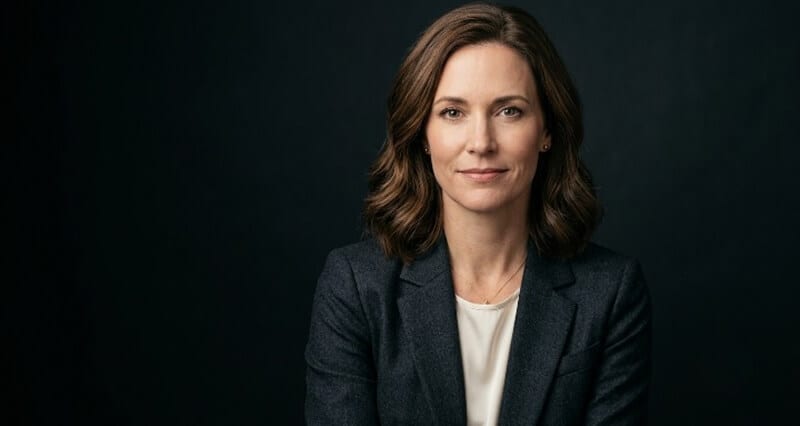
Think about what actually reads as competent in a photo. A direct, steady gaze. A calm, confident expression. Clean framing. Good lighting that makes you look healthy and present rather than tired and shadowed. Professional wardrobe that fits the role.
None of that requires you to be a model. All of it is engineerable.
The bias rewards looking competent and confident, not looking like a movie star. That distinction is everything, because confidence and polish are things you can control.

The confidence signal is the real lever
This reframes the whole thing. You're not trying to win a beauty contest you can't win. You're trying to send the competence and confidence signals the research says actually move the needle.
A good headshot does exactly that. The eye contact reads as honesty. The relaxed expression reads as approachability. The clean, well-lit framing reads as someone who has their act together. Hiring managers translate all of that, instantly and unconsciously, into "this person seems capable."
If you want the psychology of nailing that expression, our guide on how to look confident in photos breaks down the specific, learnable techniques, and they work whether you photograph easily or not.
This is also the moment to stop blaming your face. The people who photograph "well" usually aren't more attractive. They've just stumbled into the right signals: the angle, the light, the expression. The rest of us can get there on purpose.
If booking a photographer and praying for a usable shot sounds exhausting, you can skip straight to results and generate a professional headshot with Headshot Photo that's built around those exact competence signals: sharp eyes, flattering light, clean professional framing, in about ten minutes.
The bias cuts both ways, so use it honestly
Let me be clear about something, because this topic deserves honesty.
The goal here is not to manipulate anyone or to fake a version of yourself that doesn't exist. Appearance bias is a real and often unfair force in hiring, and the right long-term fix lives with employers: structured interviews, objective criteria, bias training, sometimes removing photos entirely.
But you don't control their process. You control your photo.
So the move is simple and fair. Present the most competent, confident, well-lit version of the real you. Not a different person. The same person, photographed in a way that doesn't accidentally trigger the horn effect and sink you before anyone reads your experience.
That's not gaming the system. That's refusing to be penalized by a bad snapshot.
If you're putting together a professional presence for a more senior or client-facing role, the rundown on corporate professional headshots covers what reads as credible at that level, and the piece on how to look credible digs into the visual signals of authority.
Here's the soft truth I'll leave you with. Your photo was always going to make a first impression. The only question is whether it's making the one you'd choose. A bad photo lets a stranger's bias write your story. A good one lets you write it first.
If your current photo is quietly working against you, fix it once and let it carry the right impression everywhere. You can see Headshot Photo pricing and have new headshots ready before your next application goes out.
Frequently Asked Questions
What is headshot bias in hiring?
Headshot bias is the tendency for a candidate's photo to influence hiring judgments before qualifications are even read. It runs on the halo effect, where one positive impression like a confident, polished look spreads into assumptions of competence and trustworthiness. Research shows photos measurably affect callback rates even when resumes are identical.
How does a good headshot compare to a bad one in hiring outcomes?
Studies on interview callbacks found that more flattering, competent-looking photos earned more interview invitations than less flattering ones attached to identical resumes. A bad photo can trigger the horn effect, where one negative impression drags down perceptions of your other qualities. The face changes the read even when nothing else does.
How do I take a headshot that reduces appearance bias against me?
Focus on the signals research links to perceived competence rather than raw attractiveness: direct eye contact, a calm confident expression, clean framing, professional wardrobe, and flattering even lighting. These are learnable and controllable, and they send the "capable and trustworthy" signal hiring managers respond to. A tool or guide built around these signals makes it straightforward.
Is paying for a professional headshot worth it for job applications?
For most job seekers, yes. Given that a single photo can influence interview callbacks and first impressions across every platform an employer checks, a strong headshot is high-leverage and low-cost. Traditional sessions can run into the hundreds of dollars, while AI options deliver competent-looking results for far less. You can compare options on the Headshot Photo pricing page.
Is it ethical to optimize your photo for hiring bias?
Presenting the most confident, professional, well-lit version of the real you is fair and smart, not manipulation. The problem is unfair bias in how employers evaluate appearance, and the structural fix belongs to them. As a candidate, making sure a bad snapshot does not misrepresent you is simply leveling a field you did not tilt.