What to Wear for Headshots: The Complete Guide by Profession
A lawyer and a yoga teacher should not wear the same thing to a headshot. Here is exactly what to wear, by what you actually do for a living.
She showed up to the shoot in a bright red floral blouse.
A marketing director, sharp as anything, ready for her new LinkedIn photo. The lighting was perfect. Her expression was warm. And every single frame was ruined by a collar that pulled your eye straight off her face.
We reshot in a plain navy top she happened to have in her bag. Same face. Same light. Completely different photo. She looked like someone you'd hire.
Here's the part nobody tells you. What you wear in a headshot isn't about fashion. It's about getting your clothes to disappear so your face can do the work. And the right answer changes depending on what you do for a living.
Let me break it down by profession, because a trial lawyer and a children's author should absolutely not dress the same.
The rules that apply to literally everyone
Before we split by job, there's a short list that holds true no matter who you are.
- Wear solid colors. Patterns, stripes, and tight checks fight the camera and pull focus from your face. Solid jewel tones and neutrals photograph cleanest.
- Skip the logos. A visible brand mark on your shirt dates the photo and distracts. Plain is powerful.
- Fit beats everything. A modest top that fits well looks more expensive than a designer piece that's a size off. The camera sees every wrinkle and gap now, so steam it first.
- Mind the neckline against your background. A near-black top on a near-black background can blend into a floating-head effect. Contrast your clothing with your backdrop, gently.
Your outfit's only job in a headshot is to frame your face and get out of the way. If someone notices the shirt before the smile, the shirt failed.
One more universal truth. Necklines matter more than colors. A clean crew, a simple V, a structured collar, all frame your jaw and draw the eye up. Busy ruffles and high distracting collars do the opposite.
Lawyers, finance, and consulting: dress for trust
If your job runs on credibility, dress conservative and let it signal exactly that.
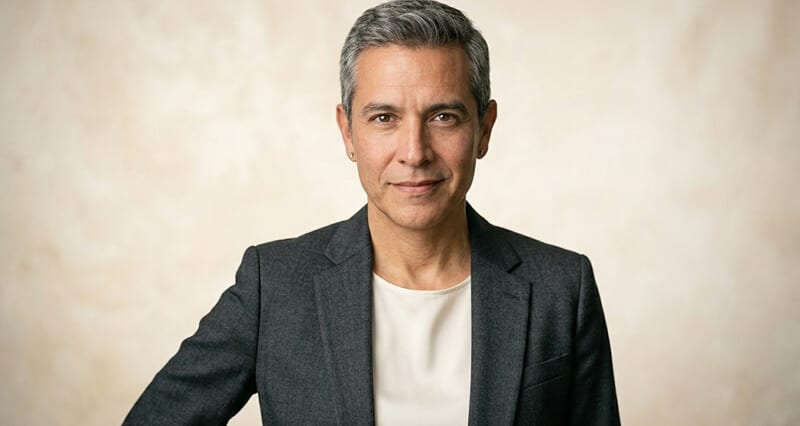
Men: a dark suit jacket (navy or charcoal) over a crisp white or light blue shirt. Tie optional, but if you wear one, keep it solid or a tight subtle weave. No loud patterns.
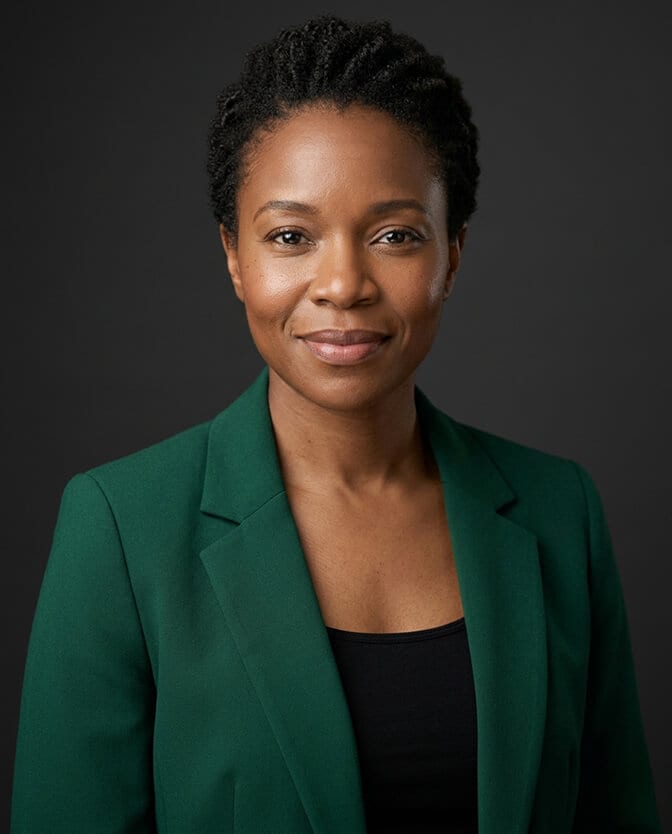
Women: a tailored blazer in navy, charcoal, or black over a simple shell or blouse in white, soft blue, or a muted jewel tone. Structured shoulders read as authority.
The whole point here is no surprises. Your client or your partner should look at the photo and think "competent, serious, safe." This is the one category where slightly overdressing is the correct mistake to make.
Tech, startups, and creative roles: relaxed but intentional
Here's where most people overcorrect in one direction or the other.
Wear a full three-piece suit as a startup founder and you look out of touch. Show up in a wrinkled hoodie and you look like you didn't try. The sweet spot is business casual that's clearly deliberate.
Men: a well-fitted crew-neck sweater, a quality plain tee under an unstructured blazer, or a button-down with no tie, top button open. Earthy and muted tones work beautifully here.
Women: a fine-knit sweater, a smart blouse, or a relaxed blazer over a simple top. Less stiff than finance, but still considered.
The vibe you want is approachable expert. Someone who knows their craft and would be easy to work with. If you're building a personal brand around your face, our guide to choosing the right headshot outfit goes even deeper on getting this balance right.
Healthcare and wellness: clean, calm, trustworthy
Patients and clients are reading your photo for one thing: can I trust this person with my body or my mind?
Doctors and clinicians: a clean shirt or blouse in a soft, calming color works better than anything flashy. Many prefer a simple top, sometimes with a white coat if it suits the role, photographed against a light, uncluttered background. Soft blues and warm neutrals project calm.
Therapists, coaches, wellness pros: lean softer and warmer still. A comfortable knit, an earthy tone, a relaxed but tidy layer. You want to look like a safe place to land, not a boardroom.
Avoid anything stark or severe. The goal is warmth plus competence, in that order.

Real estate, sales, and client-facing roles: warm and polished
Your headshot is doing sales work before you ever shake a hand.
You want to look polished and genuinely friendly, because people buy from people they like.
Men: a sharp blazer with an open-collar shirt hits the warm-professional note perfectly. Solid colors, clean fit.
Women: a structured blazer over a soft top, or a polished blouse in a flattering solid. A little warmth in the color (a soft burgundy, a warm blue) reads inviting.
The expression matters as much as the outfit here, so dress in something that lets you relax. A genuine smile in a slightly less formal outfit beats a stiff smile in a power suit for any role built on relationships.
Academics, authors, and speakers: personality with polish
This is the category with the most freedom, and the most traps.
You can show more personality, a touch of color, a signature look. But "personality" still means intentional, not random. A well-chosen blazer in an unexpected color, a clean knit with a single interesting texture, a layer that says "I have a point of view."
The mistake here is hiding. A flat, forgettable outfit makes a speaker or author look like they have nothing to say. Pick one element that's distinctly you and keep everything else simple around it.
A quick word before we go further
Here's the honest problem with everything I've just told you.
Even when you nail the outfit, you still need the lighting, the background, the angle, and a dozen takes to land one good frame. And what if you want to see yourself in three different outfits before committing to one for your industry?
That's exactly where Headshot Photo earns its place. You upload a few normal selfies and get back a full set of professional headshots across different outfits, backgrounds, and lighting setups, so you can pick the look that fits your profession instead of guessing in front of a mirror. No reshoot because of a red floral blouse. If you're comparing it to booking a photographer, our breakdown of AI headshots versus a studio session is worth a read.
We've generated more than 1.4 million headshots for over 50,000 people, and "I could try outfits without buying them" comes up constantly.
Colors that work (and the ones that betray you)
Let's talk color, fast, because this is where good outfits go to die.
Safe and flattering on almost everyone: navy, charcoal, deep green, burgundy, soft blue, and clean white. These photograph rich and keep attention on your face.
Handle with care: bright red and hot pink (they pull focus), pure neon anything (it casts colored light onto your skin), and very light pastels if your background is also pale (you'll wash out).
The sneaky one: pure white on a bright background can blow out and lose detail, while pure black on a dark background can swallow your shoulders. Aim for contrast between you and the backdrop.
When in doubt, a solid mid-tone jewel color is almost impossible to get wrong. If you're still unsure what plays well against different backdrops, our notes on picking the best headshot background pair perfectly with this.
What to never wear, regardless of job
A short, brutal list. Keep these out of frame.
- Busy patterns and tight stripes. They shimmer and distract on camera.
- Visible logos and slogans. Instant amateur signal.
- Chunky, jingly jewelry. It competes with your face. Keep accessories minimal.
- Anything wrinkled or ill-fitting. The camera magnifies both.
- Trend pieces with a short shelf life. Your headshot should still look right in three years.
- Sunglasses or hats (unless they're a genuine part of your professional identity, which is rare).
When you cut all of that, what's left is a clean, fitted, solid-colored outfit that lets your face lead. Which was the goal the whole time.
What I keep coming back to
That marketing director still emails me sometimes.
She told me the navy-top photo got her more profile views in a month than her old one had in a year. Same person. Same talent. She just stopped letting her shirt do the talking.
That's the whole secret to dressing for a headshot. You're not trying to look fashionable. You're trying to look like the most trustworthy, capable version of yourself, in clothes quiet enough to let that come through.
Dress for the job you actually do. Keep it solid, fitted, and simple. Then let your face carry the rest.
The best headshot outfit is the one no one remembers, on a person everyone does.
And if you'd rather see yourself in five professional looks before deciding what suits your field, there's a faster way than a closet full of trial outfits.
Want to try multiple professional outfits without buying a single one? Upload a few selfies and let Headshot Photo generate a full set of polished, profession-ready headshots in about ten minutes. Different looks, different backgrounds, one clear winner.
Frequently Asked Questions
1. What should you wear for a professional headshot?
Wear solid colors in a well-fitted top or blazer, and skip patterns, logos, and chunky jewelry. Navy, charcoal, deep green, burgundy, soft blue, and white photograph cleanest and keep attention on your face. The single most important rule is fit, since a simple top that fits well always beats an expensive piece that doesn't.
2. What is the difference between headshot outfits for different professions?
Conservative fields like law, finance, and consulting call for dark suits and structured blazers that signal authority and trust. Tech, startups, and creative roles look best in intentional business casual, like a fitted sweater or an open-collar shirt. Healthcare and wellness lean toward soft, calming colors, while client-facing roles like sales and real estate benefit from warm, polished, approachable looks.
3. What colors should you avoid wearing for headshots?
Avoid bright red, hot pink, and neon shades, since they pull focus from your face and can cast colored light onto your skin. Be careful with pure white on a bright background or pure black on a dark background, because both can lose detail and blend in. Solid mid-tone jewel colors are the safest, most flattering choice for nearly everyone.
4. How many outfits should I bring to a headshot session?
Bring two to three outfits that suit your profession, ranging from a more formal option to a slightly more relaxed one. That gives you variety without overcomplicating the shoot. With an AI option like Headshot Photo, starting at $34, you can see yourself in multiple professional outfits from a single set of selfies, which you can explore on our pricing page.
5. Is business casual good enough for a professional headshot?
For most modern industries, yes, as long as it looks intentional and fits well. A clean fitted sweater, a smart blouse, or an open-collar shirt under a blazer reads as polished and approachable in tech, creative, and many client-facing roles. The only fields where you should default to a full suit are conservative ones like law, finance, and high-level consulting.