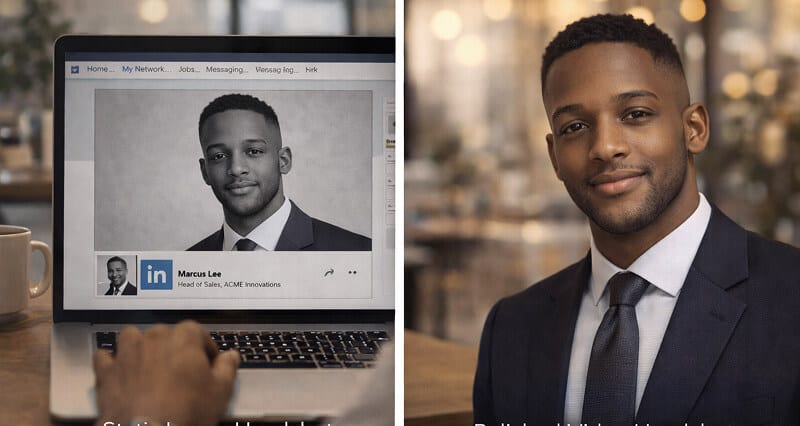
Your LinkedIn photo is already obsolete. Here is what is replacing it and why most professionals are not ready.
I was scrolling LinkedIn last Tuesday when something stopped me cold.
Not a hot take. Not a humble brag about a new role. A headshot that moved.
The person's profile photo had this subtle, almost cinematic quality. A slight head turn, a natural blink, the kind of micro-movement you would miss if you were not paying attention. It felt alive. It felt like someone was actually there.
I had been staring at static headshots for years. Thousands of them. Building Headshot Photo means I have thought more about the 1x1 professional portrait than any reasonable person should. But this was different.
This was a video headshot.
And my first thought was not "that's cool." It was: everyone is going to need one of these within two years.
Here is why I believe that and why most professionals are going to be painfully late to this shift.
The static headshot had a good run
Let us give credit where it is due. The professional headshot has been the handshake of the internet for two decades. It tells people: I am real, I am professional, I take this seriously.
But here is the problem nobody talks about.
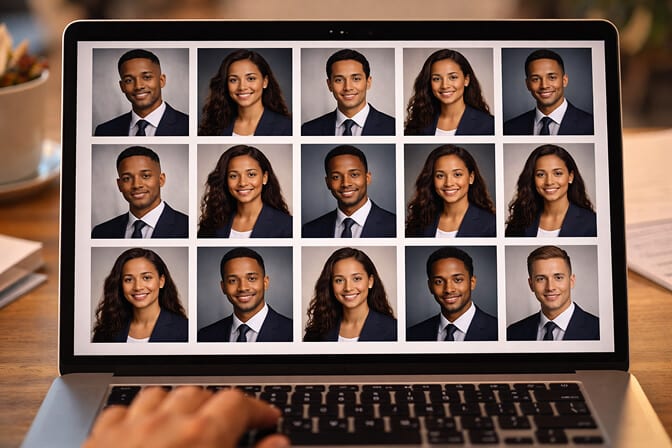
Every headshot looks the same.
Navy background. Slight smile. Arms crossed or not. Maybe a bookshelf if you are feeling adventurous. The format has become so standardized that it is functionally invisible. Your brain processes it the way it processes a stock photo. Acknowledged, categorized, forgotten.
Recruiters spend an average of 6 to 7 seconds reviewing a LinkedIn profile. Your static headshot gets maybe one of those seconds. Maybe less.
That is not a first impression. That is wallpaper.
So what exactly is a video headshot?
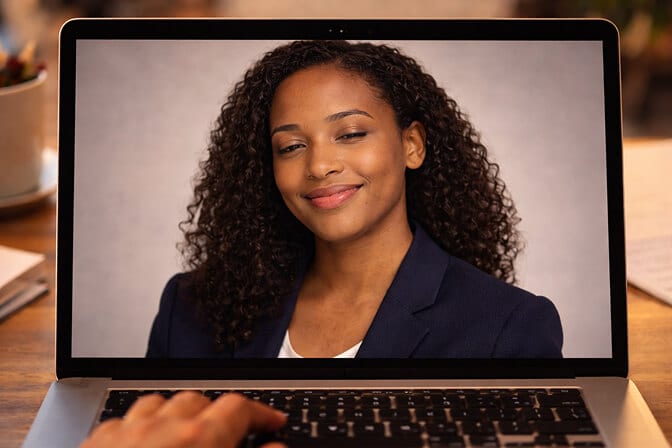
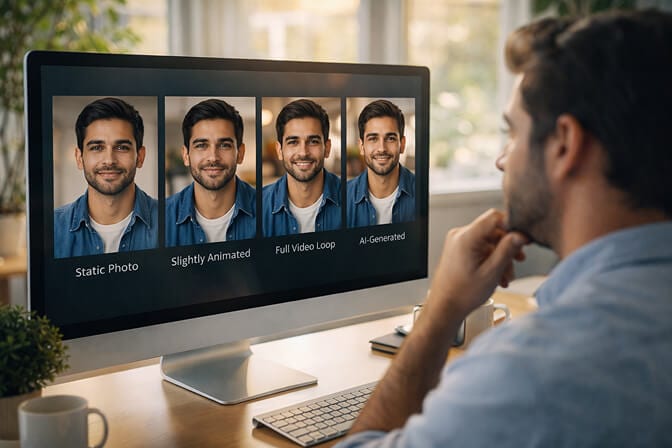
A video headshot is a short, looping video, typically 3 to 10 seconds, that replaces or supplements your static profile photo. Think of it as the space between a photograph and a full video introduction.
You are not delivering a speech. You are not waving at the camera. You are just... present. A natural blink. A subtle shift in expression. The kind of movement that makes a flat screen feel three-dimensional.
Some platforms already support them. LinkedIn introduced video cover stories a while back. Microsoft Teams and Zoom allow video avatars. And the trend is accelerating across professional networks, portfolio sites, and even email signatures.
The core idea is simple: motion captures attention in ways stillness cannot.
It is the same reason animated thumbnails outperform static ones on YouTube. The same reason Instagram Reels get more reach than photo posts. Our visual system is wired to notice movement. A video headshot takes advantage of that wiring for professional contexts.
A video headshot does not replace your qualifications. It replaces the forgettable first impression that never gave your qualifications a chance.
The part nobody tells you about professional video headshots
Here is where it gets messy.
Right now, getting a quality video headshot is either expensive or awkward. Usually both.
The traditional route means booking a videographer, renting studio time, sitting through lighting adjustments, doing multiple takes, and then waiting days for edited footage. Total cost? Anywhere from $300 to $1,500 for a few seconds of polished video.
And here is the kicker. Most people freeze up on camera.
A photo session is quick. One good expression, captured in a fraction of a second. But video is unforgiving. Every nervous swallow, every forced smile, every "where do I look?" moment gets recorded. The gap between how you think you look on video and how you actually look is brutally wide for most people.
This is exactly why AI-generated headshots took off so quickly. People wanted professional photos without the anxiety and cost of a studio session. If you have ever wondered how much professional headshots actually cost, you know the relief of skipping that entire production.
Video headshots are following the same trajectory. The technology is moving from "studio production" to "AI-assisted generation" faster than most people realize.

Where AI video headshot technology stands today
Let us be honest about the current state.
AI video generation has made massive leaps. Tools can now take a single static photo and generate realistic facial movement. Blinks, subtle expressions, natural head motion. The results range from impressive to unsettling, depending on the tool and the input quality.
The best outputs feel genuine. The worst ones land squarely in the uncanny valley, that uncomfortable space where something looks almost human but triggers an instinctive "something is wrong" response.
Here is what separates good AI video headshots from bad ones:
The source photo matters enormously. A high-quality, well-lit professional headshot gives the AI more data to work with. Better facial structure mapping, more accurate skin textures, more natural movement synthesis.
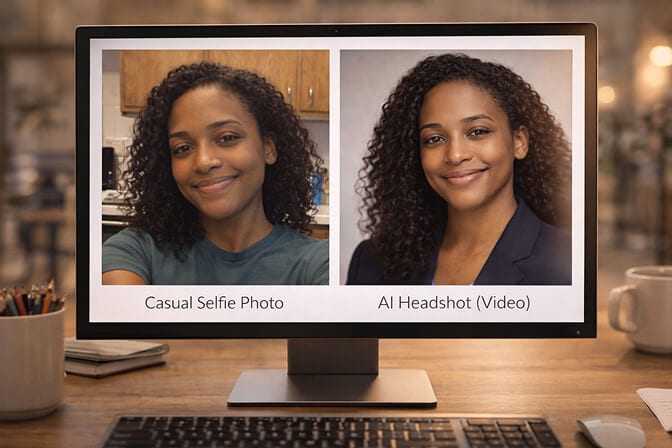
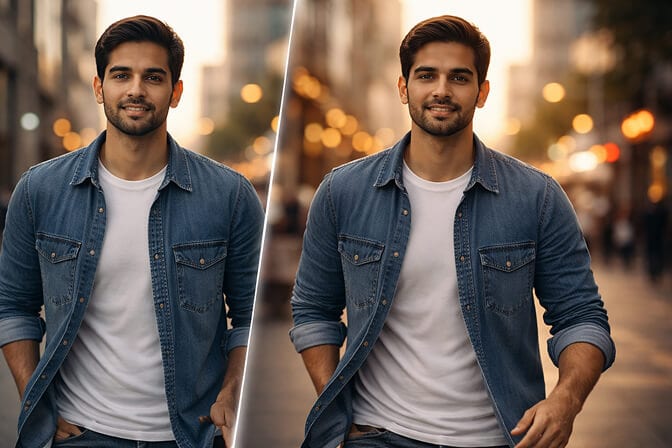
This is actually where the two technologies connect beautifully. Start with an AI-generated professional headshot that is already optimized for lighting, angle, and composition. Then use video synthesis to add natural motion. The result is a dynamic professional headshot that looks like it was filmed in a studio, without ever stepping inside one.
If you want to see what is possible today, check out real before and after AI headshot transformations. The starting quality of your photo determines everything downstream.
We are not fully there yet. But the gap is closing every quarter.
Headshot video vs photo: which one should you actually use?
Stay with me here.
This is not an either-or situation, and anyone telling you to ditch your static headshot tomorrow is selling something.
Static headshots still win in several contexts:
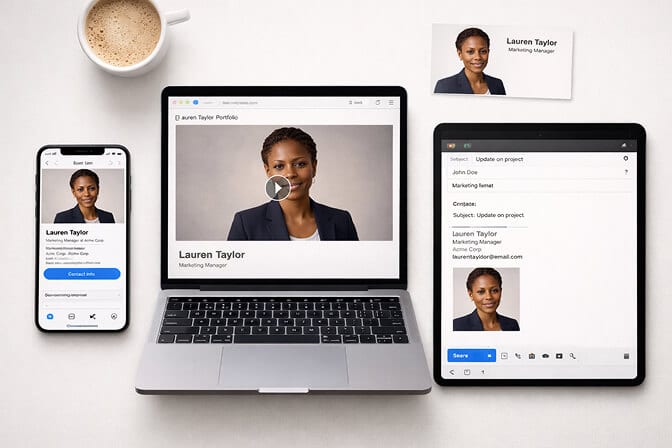
They load instantly on any device. They work in every platform's profile photo field. They print cleanly on business cards, conference badges, and press materials. They are universally understood.
Video headshots win in different contexts:
They capture attention on scrollable feeds. They convey personality and energy that photos cannot. They differentiate you in competitive environments where everyone's headshot looks identical. They signal that you are current, tech-savvy, and intentional about your professional presence.
The smart move? Have both.
Use your polished static headshot as your primary profile photo everywhere. Use your video headshot for LinkedIn featured sections, personal websites, email signature banners, and anywhere that supports dynamic media.
The professionals who stand out in 2026 will not choose between static and video. They will use each one where it performs best.
For inspiration on what makes a strong static foundation, take a look at these professional headshot examples that get results.
The real reason video headshots are about to explode
This is not just about technology getting better. It is about platforms needing you to create more dynamic content.
LinkedIn's algorithm already favors video content by a significant margin. Posts with native video get substantially more reach than text-only updates. The platform has every incentive to push video profiles, video introductions, and yes, video headshots.
Microsoft Teams is integrating more visual identity features. Zoom continues expanding avatar and video profile capabilities. Even email clients are starting to support animated sender images.
The infrastructure for video headshots is being built right now, whether professionals are paying attention or not.
And there is a deeper psychological driver at work.
Remote and hybrid work fundamentally changed how we build professional relationships. When you have never met someone in person, their static headshot is all you have. A video headshot, even a 5-second loop, creates a dramatically different sense of connection. You see how someone carries themselves. You get a flash of their energy. You feel, even subconsciously, like you have met them.
In a world where your digital presence often is your first meeting, that matters more than most people admit.
How to prepare for the video headshot era (without wasting money)
But then something clicked. You do not need to wait for the technology to be perfect. You just need to build the right foundation now.
If you are ready to start thinking about this, here is the practical path I would recommend:
First, get your static headshot right. Seriously. A strong AI-generated headshot is the foundation everything else builds on. If your current profile photo is a cropped vacation pic or a three-year-old conference photo, fix that first. You can generate a professional headshot with Headshot Photo's AI photo generator in minutes, and that polished result becomes the perfect input for video synthesis when you are ready.
Second, experiment with video introductions. Record a simple 15-second video of yourself. Good lighting, clean background, looking directly at camera. Do not script it. Just say your name, what you do, and one sentence about what you are working on. Upload it as a LinkedIn cover story or pin it to your profile.
This serves two purposes: it starts building your comfort with being on camera, and it immediately differentiates you from every static profile in your feed.
Third, watch the AI video space closely. Tools for generating video headshots from photos are improving rapidly. When the quality crosses the threshold from "interesting experiment" to "genuinely professional," you will want to move fast. The early adopters always get the most attention.
Fourth, think about your overall digital presence as a system. Your headshot, your video intro, your banner image, your content. These all work together to create a professional identity. A video headshot is one piece. Make sure the other pieces are strong too. Understanding LinkedIn headshot trends gives you a head start on what is working right now.
What I wish I knew sooner
When I started building Headshot Photo, the entire premise was simple: professional headshots should not require a studio, a photographer, and a $400 invoice.
That premise has not changed. But the definition of "headshot" is expanding.
The future is not static OR video. It is a spectrum of professional visual identity, starting with a polished photo and extending into motion, interactivity, and eventually, real-time AI-generated video avatars that represent you in meetings you cannot attend.
That future sounds wild. But so did "AI will generate your headshot from a selfie" three years ago.
The professionals who win the attention game are not the ones with the fanciest tools. They are the ones who pay attention to shifts before they become obvious.
A video headshot is not mandatory today. But the trajectory is clear.
And when the moment comes, and it is coming soon, you will want your foundation already in place.
If you are still working with a headshot from 2019, let us fix the basics first. Check out Headshot Photo's pricing plans and get a professional AI headshot in under 1 hour. It is the fastest way to look sharp everywhere, and the perfect starting point for whatever comes next.
Frequently Asked Questions
1. What is a video headshot?
A video headshot is a short looping video, typically 3 to 10 seconds, that shows subtle natural movement like a blink or slight expression change. It replaces or supplements a traditional static headshot on professional profiles, websites, and digital platforms to create a more engaging first impression.
2. How does a video headshot compare to a traditional professional photo?
A static headshot works universally and loads on any platform, while a video headshot captures personality and energy that still images cannot convey. Video headshots outperform in attention-grabbing contexts like LinkedIn feeds and portfolio sites. Most professionals benefit from having both formats for different use cases.
3. How do I create a video headshot?
Currently, you can hire a videographer for studio-quality results ($300 to $1,500), record a simple video introduction yourself with good lighting and a clean background, or use emerging AI tools that generate natural facial motion from a single high-quality photo. Starting with a polished AI headshot from a service like Headshot Photo gives the best foundation for any of these approaches.
4. Is an AI video headshot professional enough for LinkedIn?
The quality depends heavily on the source material and the tool used. AI video headshots generated from high-quality professional photos are increasingly indistinguishable from studio-produced video. As the technology matures through 2026 and beyond, the gap between AI-generated and traditionally filmed video headshots will continue narrowing.
5. Are video headshots worth the investment for my career?
If you work in competitive fields like sales, consulting, recruiting, or any client-facing role, a video headshot is a meaningful differentiator right now precisely because so few professionals use them. Early adoption creates outsized visibility. Even a self-recorded video introduction on your LinkedIn profile can noticeably increase engagement compared to a static-only presence.