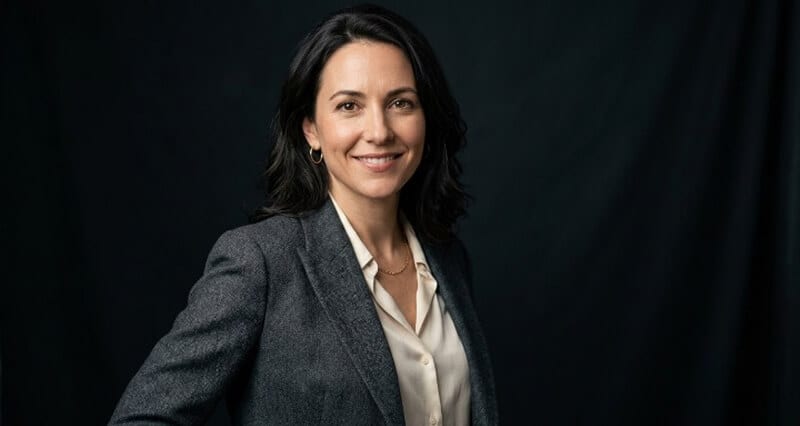
The Halo Effect in Headshots: Why a Good Photo Earns You More Money
One photo. One tenth of a second. And a stranger has already decided whether to trust you with their money.
Here is something that should make you a little uncomfortable.
A potential client lands on your profile. They have not read a word about you. They have not seen your case studies, your testimonials, or your pricing. They have looked at your face for about a tenth of a second.
And in that tenth of a second, they have already decided whether you seem trustworthy, competent, and worth their money.
I am not being dramatic. This is one of the most replicated findings in modern psychology. And once you understand it, you stop seeing your headshot as a vanity item and start seeing it as the most leveraged sales asset you own.
Let me walk you through why.
What the halo effect actually is (and why it loves your face)
The halo effect is simple to say and unsettling to sit with.
When people perceive one positive trait in you, they assume you have a whole cluster of other positive traits too. See a polished, confident face, and the brain quietly fills in the rest. Smart. Capable. Reliable. Probably good at their job.
The face does a lot of the heavy lifting here. Decades of research show that when the same person is rated as more attractive or more put-together, observers also rate them as more intelligent, more competent, and more trustworthy. Same human. Same résumé. Different photo. Different conclusions.
The halo effect means your headshot is not just showing people your face. It is making arguments about your character before you get to say a single word.
Here is the weird part.
These judgments are fast and sticky. In the famous Princeton work by Janine Willis and Alexander Todorov, people formed impressions of trustworthiness from a face in around 100 milliseconds. Giving them more time to look did not change the judgment. It only made them more confident in the one they already had.
Read that again. More time did not lead to a fairer assessment. It just hardened the first impression.
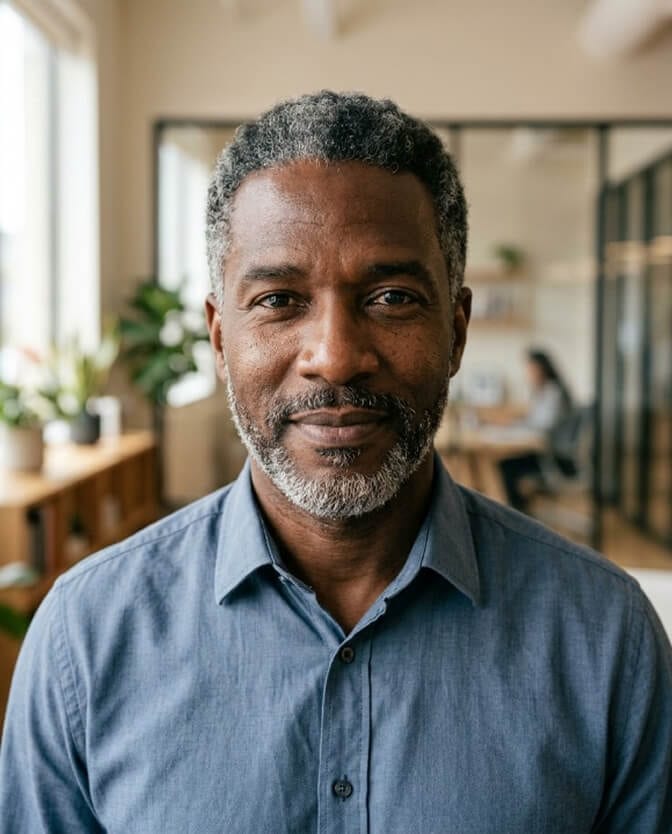
The part nobody tells you about "trust"
When we say a good photo makes you "more likable," it sounds soft. Like a nice-to-have.
It is not soft when money is involved.
Trust is the currency of every sale you will ever close. People do not hand over their budget, their project, or their reputation to someone who reads as unsure, sloppy, or hard to place. They hand it to the person who looks like they have done this a hundred times and will not embarrass anyone.
Your headshot is often the first and only signal a buyer gets before they decide whether to keep reading or bounce.
Think about how you actually buy. You scan a team page. You glance at a LinkedIn profile. You open a proposal with a bio photo at the bottom. In every one of those moments, a face is doing quiet work, either pulling you toward "yes, this person is legit" or nudging you toward "hmm, not sure."
The buyer is not being shallow. The buyer is being human. Their brain evolved to read faces fast because, for most of human history, sizing up a stranger quickly was a survival skill. That wiring did not switch off when commerce moved online. It just found a new place to fire.
A small story about a $4,000 difference
Let me make this concrete.
I have watched two consultants with nearly identical skills pitch for the same kind of work. One had a blurry photo, shot at arm's length, harsh overhead light, a slightly closed-off expression. The other had a clean, well-lit headshot. Steady eye contact. A relaxed, confident face. Nothing flashy.
Same field. Similar experience. Wildly different close rates.
Why? Because the second person had stacked the halo effect in their favor before the conversation even started. By the time a prospect got on a call, they had already been primed to believe this person was the more capable, more premium choice. The photo did not replace the skill. It pre-sold it.
That is the thing about visual credibility. It does not just help you win. It lets you charge more, because looking like the expert is part of being treated like one.

Here is where most people get it wrong
They think the goal is to look as attractive as possible.
Wrong target.
The halo effect is not really about beauty. It is about signaling competence and trust. And those signals come from things you can absolutely control, no matter your age, face, or budget.
A few of the levers that move the needle:
Eye contact. Looking into the lens reads as openness and confidence. Looking away can read, fairly or not, as evasive or unsure.
A genuine expression. A real, slightly warm look beats both a stiff non-smile and a forced grin. People are very good at spotting a fake smile, and a fake smile quietly erodes trust.
Lighting that flatters, not flattens. Soft, directional light gives your face structure and makes you look healthy and alert. Flat or harsh light makes everyone look tired.
A clean, intentional background. Clutter behind you reads as chaos. A simple, considered backdrop reads as "this person has their act together."
None of that requires you to be photogenic. It requires the photo to be built correctly. That distinction is everything, and it is exactly why so many talented people are quietly losing deals to a bad photo they have not thought about in three years.
Stay with me, because this is where it gets practical.
You do not have a "bad face." You have a bad photo.
So many people have told me, I just take terrible photos, like it is a fixed personality trait.
It almost never is. If you want the full breakdown on why this happens and how to fix it, we wrote a whole piece on why people hate how they look in pictures. The short version: most "bad" photos are bad lighting, bad angle, and a frozen expression, not a bad face.
The reason this matters for your wallet is simple. If you have been avoiding updating your photo because you dread the process, you have effectively been letting your worst possible first impression run unsupervised across every platform where buyers find you.
That is a leak in your funnel. A quiet one. The kind nobody flags in a sales review because nobody can see the deals they never got a chance to lose.
A great headshot is not vanity. It is removing a silent objection before the prospect even forms it.
If you have been putting off fixing yours, you can get a professional headshot with Headshot Photo in about the time it takes to finish your coffee. No studio, no scheduling, no awkward small talk with a photographer. Upload a few normal photos and get back the kind of polished, confident shot that does the quiet selling for you.
The compounding return on a single good photo
Here is what makes a headshot the highest-leverage image you will ever pay for.
You use it everywhere. LinkedIn. Your website. Proposals. Email signatures. Speaker bios. Podcast guest spots. Conference badges. That one photo is working on your behalf in dozens of places, all day, whether you are awake or asleep.
A bad one drags on all of them at once. A good one lifts all of them at once.
Most marketing assets have a short shelf life. A good headshot keeps paying you back for years. When you compare that against what professional headshots actually cost, the math gets almost embarrassing. The downside of a weak photo is not what you spent. It is every premium client who quietly decided you were not quite the level they were looking for.

What this means for you, starting today
You do not need to obsess over your face. You need to stop letting a careless photo argue against you.
The halo effect is going to fire whether you like it or not. Every prospect, every recruiter, every potential partner is going to glance at your photo and let their brain fill in the rest. The only real choice you have is which direction that snap judgment goes.
You can leave it to chance with a cropped vacation pic and harsh phone lighting. Or you can give people a face that says competent, trustworthy, worth the money, in the tenth of a second before they have read a single word.
One of those choices costs you deals you will never even know you lost.
If your current photo is not pulling its weight, this is the easy win you have been ignoring. See Headshot Photo pricing and give your buyers a reason to trust you before you have said anything at all.
Because in business, the face usually goes first. You may as well send your best one.
Frequently Asked Questions
What is the halo effect in headshots?
The halo effect is a cognitive bias where one positive impression spreads to shape everything else someone assumes about you. In headshots, it means a polished, confident photo leads viewers to also assume you are more competent and trustworthy. Your face makes those judgments for you, often in well under a second.
How does a professional headshot compare to a casual selfie for building trust?
A casual selfie usually fights against you with harsh lighting, awkward angles, and a distracting background, which quietly signals carelessness. A professional headshot controls expression, lighting, and framing so the signal lands as confident and credible. The face is the same, but the conclusions people draw are very different.
How do I make my headshot look more trustworthy?
Aim for steady eye contact with the lens, a relaxed and genuine expression, soft directional lighting, and a clean uncluttered background. These cues read as openness and competence rather than beauty. You can learn more about the small choices that build credibility in our guide on how to look confident in photos.
Is a good headshot really worth the money for closing sales?
Yes, because your photo is often the first signal a buyer sees before deciding whether you seem premium and reliable. A strong headshot pre-sells your competence and can support higher rates, while a weak one quietly costs you deals you never hear about. For one image used across every platform, the return is hard to beat.
Are AI headshots good enough to create this trust effect?
A well-made AI headshot delivers the same trust signals as a studio shot, controlled lighting, clean background, confident expression, without the cost or scheduling. The key is choosing a tool that produces natural, human-looking results rather than plastic ones. You can see real before and after examples in our piece on AI headshot transformations.