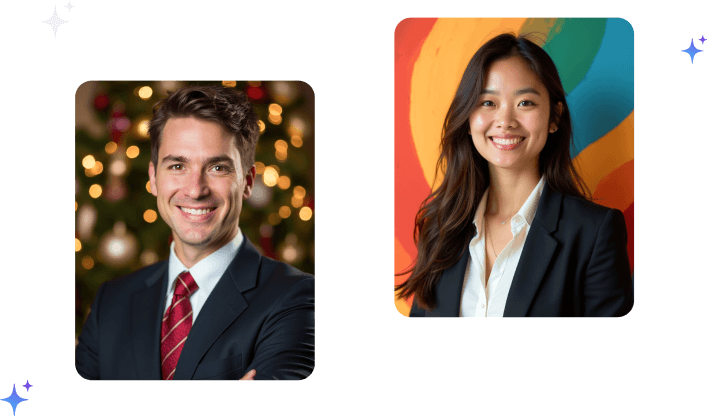
Do AI Headshots Trigger Uncanny Valley? The Science of Trust in Photos
Why some AI photos make people uneasy, why others read as more trustworthy than real ones, and the thin line between the two.
I want to tell you about the moment an AI headshot made me physically uncomfortable.
It was a face. Perfectly lit. Symmetrical. Smiling. And something about it made my skin crawl, the way a mannequin does when you catch it from the corner of your eye. I couldn't say what was wrong. Just that something was.
That feeling has a name. The uncanny valley.
And here's the question that actually matters if you're about to put an AI headshot on your LinkedIn or your company page: does that creepy feeling happen with good AI headshots, or only bad ones?
The answer surprised me. Stay with me, because the science here is genuinely strange.
What the uncanny valley actually is
The uncanny valley is the dip. Picture a graph. As something gets more human-looking, you like it more. A cartoon robot, cute. A more realistic robot, even better.
Then it gets almost human, and your brain panics.
That's the valley. The eerie zone where a face is human enough that you expect it to be real, but off enough that some ancient part of your brain screams something is wrong with this person. Your face-detection wiring is brutally precise, sharpened over millions of years, and it notices mismatches you can't consciously name.
The discomfort isn't about the photo being fake. It's about the photo being almost real. Close enough to trip your instincts, wrong enough to fail them.
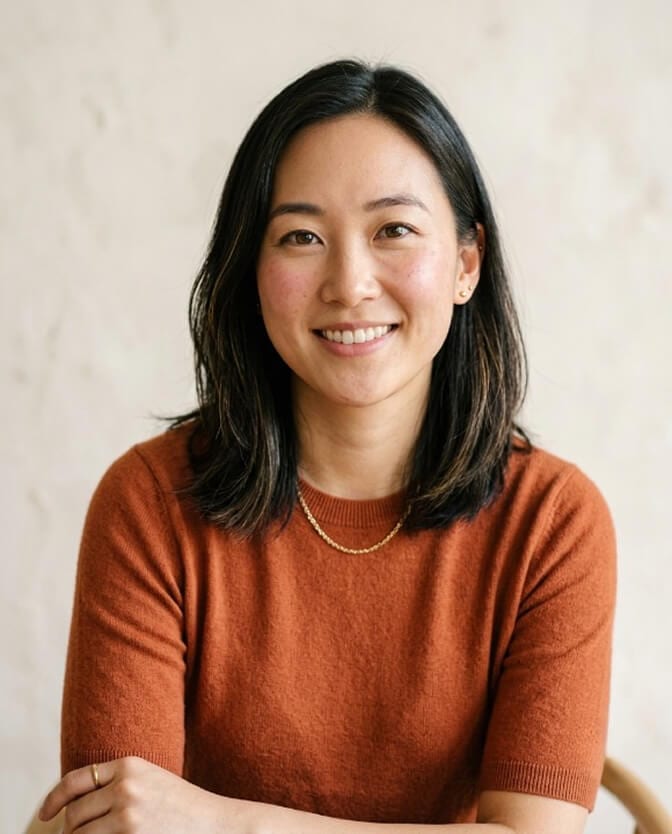
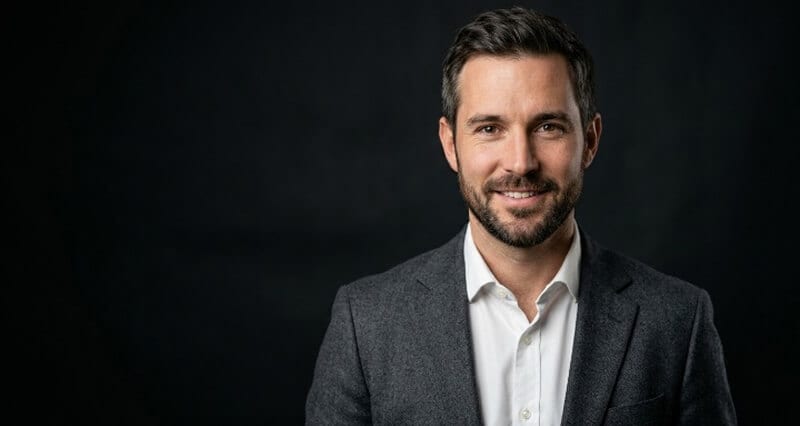
Here's the weird part. We may have climbed out of the valley.
This is where it gets fascinating.
Researchers ran a study where people tried to tell AI-generated faces apart from real photographs. People did barely better than a coin flip. The synthetic faces had become essentially indistinguishable from real ones.
But the truly strange finding came next. When participants rated those faces for trustworthiness, they rated the AI-generated faces as slightly more trustworthy than the real ones.
Read that again. Not creepier. More trustworthy.
The leading explanation is almost poetic. AI faces tend to drift toward the average face, blending countless features into something smooth and familiar. And humans instinctively trust average-looking faces. They feel less threatening, more open, more like someone you already know.
So the best AI faces don't fall into the valley. They sail clean over it.
So why do some AI headshots still feel creepy?
Because not all of them make the climb. This is where most people get it wrong.
The uncanny valley isn't triggered by AI as a category. It's triggered by specific errors. The tells. And once you know them, you can't unsee them.
Plastic skin. Real skin has texture, pores, faint imperfections. When AI smooths everything into wax, your brain flags it instantly as "not alive."
Dead eyes. The eyes are where we look first and judge hardest. If the catchlights are missing, or the gaze is slightly misaligned, or the eyes don't quite focus on the same point, the whole face dies.
Symmetry that's too perfect. Real faces are subtly lopsided. Flawless symmetry reads as a mask.
Background and lighting that don't match the face. When the light on your face says one thing and the shadows behind you say another, your brain senses the contradiction even if it can't articulate it.
Notice the pattern. The valley isn't about whether a photo is AI. It's about whether the photo respects how real humans actually look. Get the texture, the eyes, and the light right, and the eerie feeling never shows up.
If you're curious about the specific giveaways, our breakdown on how to spot an AI headshot walks through the exact artifacts that trigger that "something's off" reaction, and how the good tools avoid them.
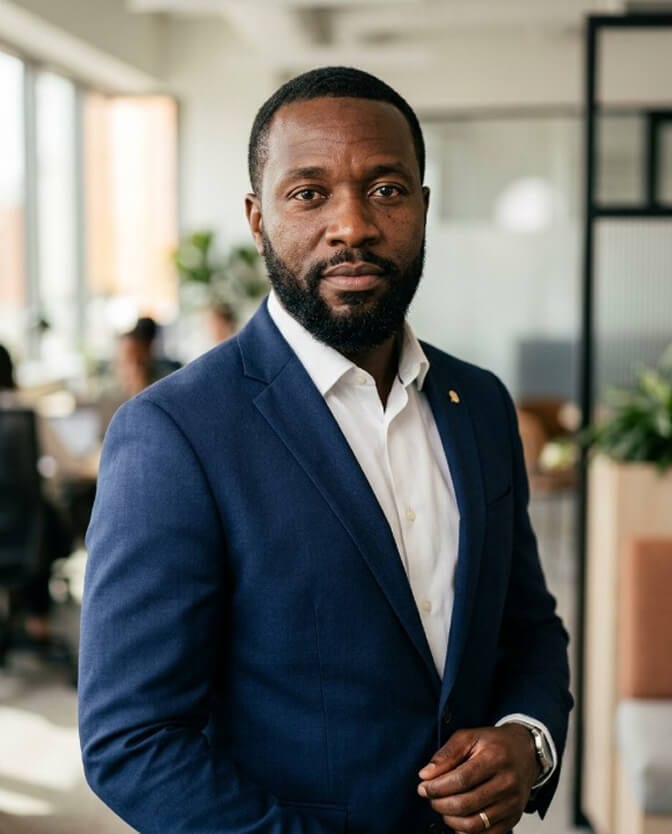
The trust equation nobody explains
Here's the thing about trust in a photo. It's not a single dial. It's a balance between two forces.
On one side: familiarity. A face that feels open, average, approachable. This is what pulls people toward you.
On the other side: wrongness. Any single artifact that whispers fake. This is what pushes people away, hard, because distrust travels faster than trust.
A great AI headshot maxes the first and zeroes the second. A bad one accidentally adds a drop of wrongness, and that one drop poisons the whole glass. People won't say "this looks AI." They'll just feel, vaguely, that they don't trust you. And they'll move on.
Trust in a photo is fragile. One uncanny detail can undo a hundred perfect ones. Which is exactly why the quality of the generation matters more than the fact that it's AI.
This is the part I wish more people understood before they cheap out on a free tool that hands them waxy, hollow-eyed results. The technology to clear the valley exists. But only if the tool was built to chase realism instead of polish.
What this means for your actual headshot
You don't need to fear the uncanny valley. You need to avoid the things that cause it.
That means choosing results with real skin texture, living eyes, natural asymmetry, and lighting that holds together. The goal isn't a flawless face. It's a believable one. Believable beats perfect every single time.
This is the whole reason we obsess over realism at Headshot Photo. The point was never to make you look airbrushed into oblivion. It was to make you look like you, on your best, most well-lit day, in a way that clears the valley instead of sliding into it. You can generate a professional headshot with Headshot Photo and get results built to read as real, not rendered.
If you're weighing whether the modern tools actually pull this off, the deeper look at human-looking AI headshots covers the shift away from the plastic look, and if trust and privacy are on your mind, are AI headshots safe tackles that head on.
Here's the soft truth underneath all the science. The uncanny valley was never really about technology. It was about your instincts protecting you from something that pretends to be human without earning it. A genuinely realistic headshot doesn't pretend. It just shows up looking like a person worth trusting.
If your current photo is leaving people with that faint "something's off" feeling, the fix is realism, not more polish. You can see Headshot Photo pricing and get headshots designed to land on the trustworthy side of the valley.
Frequently Asked Questions
What is the uncanny valley in AI headshots?
The uncanny valley is the unsettling feeling you get when a face looks almost human but slightly off. In AI headshots it shows up as plastic skin, lifeless eyes, or mismatched lighting that makes your brain sense something is wrong. The best AI headshots avoid it by preserving realistic texture, natural asymmetry, and believable light.
Do AI headshots look fake or trustworthy to people?
It depends entirely on quality. Research has found that high-quality AI-generated faces are not only hard to tell apart from real photos but are sometimes rated as more trustworthy, partly because they drift toward familiar, average features. Low-quality AI photos with visible artifacts, on the other hand, trigger distrust fast.
How do I make an AI headshot that does not look creepy?
Choose results with real skin texture rather than over-smoothed skin, eyes with natural catchlights and a focused gaze, slight facial asymmetry, and lighting that matches the background. These details are what keep a photo on the believable side of the uncanny valley. A tool built for realism handles most of this automatically.
Is an AI headshot good enough to be trusted on LinkedIn or a company page?
Yes, when it looks authentically human. Viewers respond to trust signals like direct eye contact, a natural expression, and realistic detail, none of which require a traditional camera. The risk is not that it is AI, but that a low-quality result looks off. Pick results that read as real and trust follows.
How much does a realistic AI headshot cost compared to a photographer?
Traditional studio sessions often run from around one hundred to several hundred dollars plus booking and travel time. Realistic AI headshots cost a fraction of that and arrive in minutes. You can review the options on the Headshot Photo pricing page to see what fits your needs.