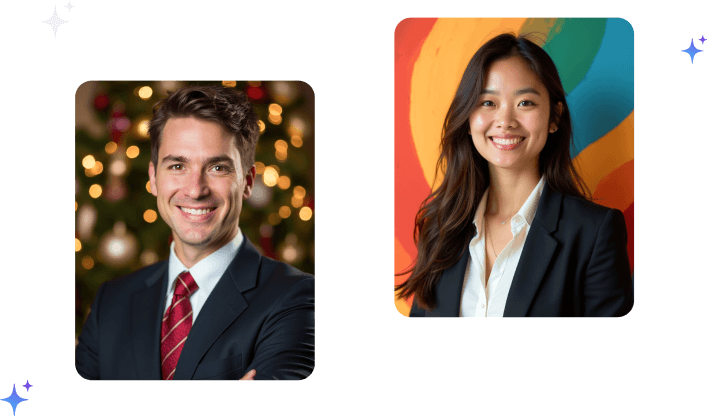
Will AI Headshots Hurt My Career? I Read the Hiring Manager Surveys So You Don't Have To
The honest answer surprised me. Recruiters preferred the AI photos... right up until one specific thing went wrong.
A reader sent me a message that I think about a lot.
"I generated headshots I love. But I'm scared to use one on my job applications. What if a hiring manager finds out it's AI and tosses my resume?"
She had a great photo sitting in a folder, unused, because of a fear she couldn't quite prove. And honestly? I didn't want to give her a vibes-based answer. So I went and read the actual surveys. The ones where researchers asked real recruiters what they think.
What I found flipped my assumptions. Stay with me, because the twist matters.
Here's the part that surprised me
In one of the biggest studies, researchers showed over a thousand recruiters a mix of headshots. Real ones. AI ones. They didn't tell them which was which.
Then they asked: which do you prefer?
A clear majority, around three quarters, picked the AI-generated headshots as their favorites.
Recruiters didn't just tolerate the AI photos. When they didn't know, they liked them more.
Let that sit. The thing you're afraid of, a recruiter recoiling at an AI photo, mostly happens when the photo is bad, not when it's AI.
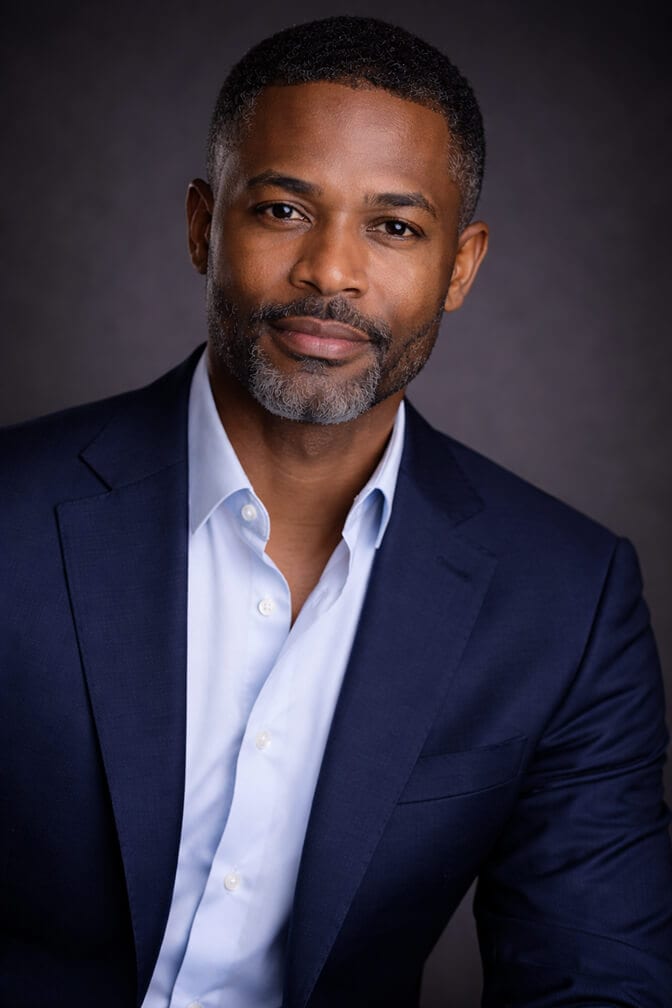
Because here's the other finding. When those same recruiters were asked to guess which headshots were AI, they got it right only about four times out of ten. They couldn't reliably tell. A good AI headshot simply read as a good headshot.
So what actually hurts you?
If recruiters like the photos and can't spot them, where does the career damage come from?
One word.
Mismatch.
The surveys are consistent on this. The danger isn't that a photo was generated. The danger is when the photo doesn't look like the person who walks into the interview.
Think about it from the recruiter's chair. They build a tiny mental image of you from your headshot. If the human who shows up has a different face, different age, a vibe that doesn't connect to the picture, trust evaporates in about two seconds. And trust is the one thing you cannot rebuild mid-interview.
That's the real risk. Not "AI." Self-misrepresentation.
A headshot that smooths you into a different person, whether a heavy filter or a sloppy generator did it, is the thing that quietly costs you. A headshot that looks like you on a good day does the opposite. It helps.
The other half of the data nobody quotes
Now, the honest complication, because I'm not here to sell you a fairy tale.
The same research that showed recruiters preferring AI photos also showed something else: a large majority felt that AI-generated headshots should be disclosed. Many don't see it as a neutral creative choice yet.
So you've got a real tension. They like the photos. A lot of them also want to know.
Here's how I reconcile it, and it's simpler than it looks.
The disclosure worry lives almost entirely in the "fabricated face" zone. The concern is about deception, a photo pretending to be a reality that doesn't exist. It is not really about lighting and a clean background.
When your headshot is unmistakably you, just shot better than your phone could manage, there's nothing being hidden. You aren't claiming to be someone else. You're showing up looking sharp. That's what a studio photographer does too, and nobody asks them to disclose the softbox.

If you want to go further on this exact debate, our breakdown of what HR actually notices before an interview gets into the first-impression mechanics. And if you're weighing options, the honest comparison of the best AI headshot generators lays out which ones actually preserve your likeness.
This is where most people get it wrong
They treat "AI headshot" as the risk. So they either avoid a great photo out of fear, or they grab the cheapest generator and end up with the exact uncanny, doesn't-look-like-me result that does hurt them.
Both mistakes come from aiming at the wrong target.
The target was never "hide that it's AI." The target is "look like a polished, real, recognizable version of me." Hit that, and the surveys say you're not just safe, you're often ahead of the candidate with no headshot at all (recruiters are far more inclined to interview someone who includes one).
Miss it, and it wouldn't matter if a Pulitzer photographer shot it. A photo that isn't you is the problem, every time.
If you want a headshot that clears that bar without a studio appointment, Headshot Photo turns a few selfies into a professional set that still looks unmistakably like you, in about one hour.
What I told her
I sent that reader the short version.
Use the photo. Just make sure it's still you.
Don't pick the most flattering stranger in the batch. Pick the one your closest coworker would recognize instantly. The one that looks like you walking into the room on your best Tuesday. That photo won't hurt your career. The data says it'll probably help.
The career risk was never the technology. It was the gap between the picture and the person. Close that gap, and you've got nothing to be scared of.
She used it. She got the interview. I'm not saying the headshot did it... but it definitely didn't hurt.
Ready to find your own version of that photo? Take a look at Headshot Photo pricing and get a professional set that still looks like you.
Frequently Asked Questions
Will AI headshots hurt my career or job applications?
Not if the photo still looks like you. Hiring manager surveys show recruiters often prefer AI-generated headshots in blind tests and usually can't tell which photos are AI. The damage comes from a mismatch, a photo that doesn't resemble the person at the interview, not from AI itself.
Do hiring managers care if a headshot is AI-generated?
Most care far more about whether the photo looks professional and real than how it was made. In studies, recruiters couldn't reliably identify AI headshots and frequently rated them as favorites. A polished, accurate headshot reads simply as a good headshot.
How do AI headshots compare to traditional photos for hiring?
In blind recruiter tests, AI headshots often performed as well as or better than traditional photos, and candidates with any headshot were more likely to be interviewed than those without one. The deciding factor is realism and likeness, not the camera versus the algorithm.
Should I disclose that my headshot is AI-generated?
A large share of recruiters say they'd like AI photos disclosed, but that concern centers on fabricated or misleading images. When your headshot clearly looks like you and isn't pretending to be someone else, it functions like any professionally produced photo. Honesty about your likeness is what matters.
Are AI headshots professional enough for resumes and interviews?
Yes, when they're done well. A realistic, recognizable AI headshot is suitable for resumes, LinkedIn, and applications. The only ones that backfire are low-quality images with plastic skin or altered features that don't match the real you.