The AI Yearbook Trend, Explained: What It Is and Why It Took Over Your Feed
It looks like a goofy 90s filter. It's actually a clever little trick on your brain... and a peek at what AI photos can really do.
The first time the AI yearbook trend hit my feed, I assumed it was a Halloween thing.
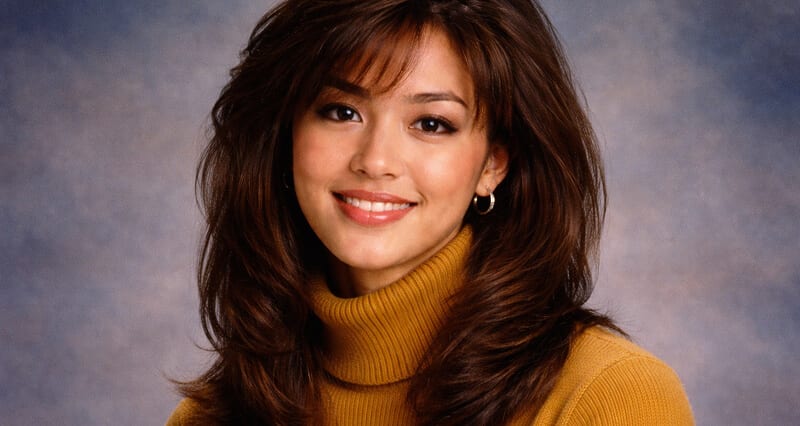
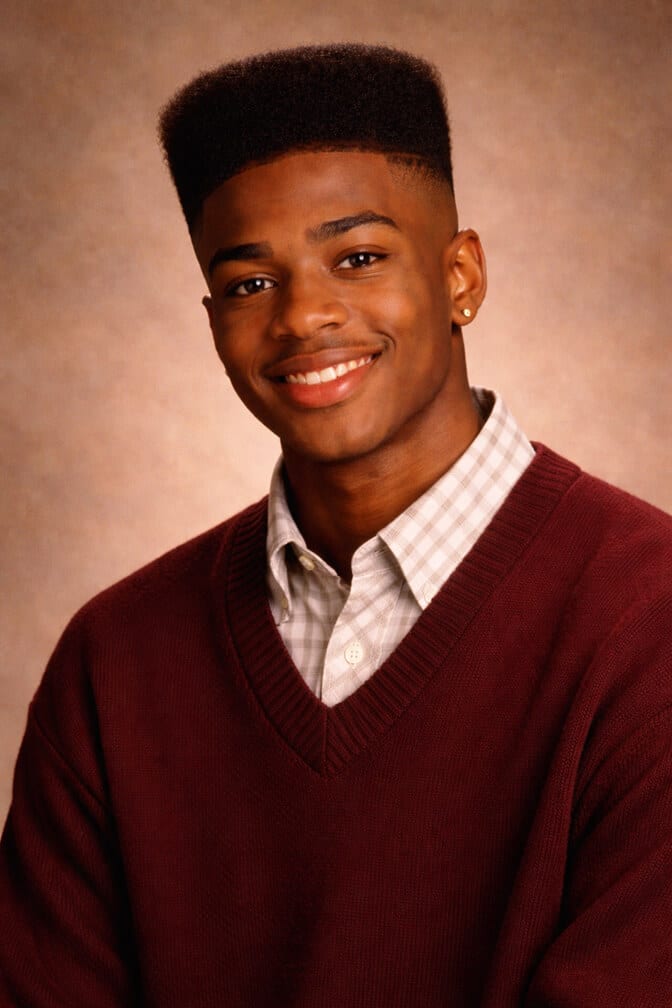
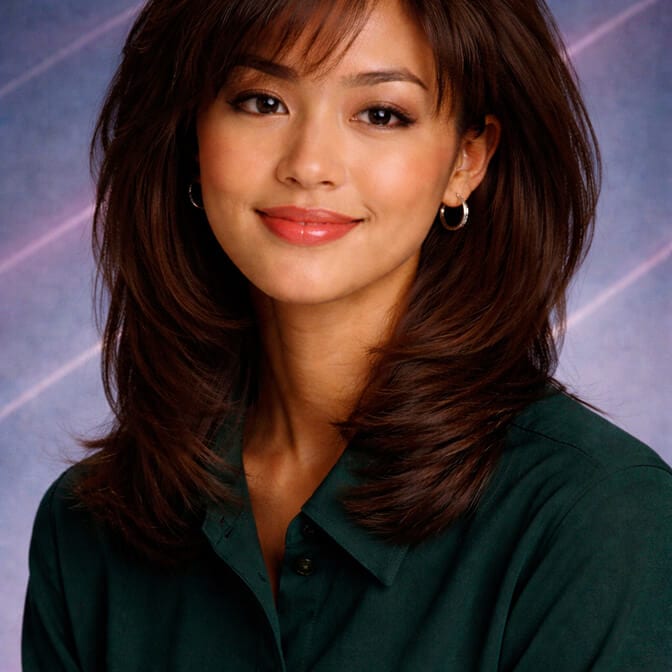
Friend after friend, suddenly posing in feathered hair and high collars against that exact blue studio swirl. Same soft focus. Same slightly-too-formal smile. People I knew had graduated in 2015 were somehow class of '94.
What is everyone doing? I genuinely wondered.
So I looked into it. And the answer turned out to be more interesting than "it's a filter."
The AI yearbook trend is one of the cleanest examples of why AI photos exploded the way they did. Stay with me, because once you see the mechanism, you can't unsee it.
So what is the AI yearbook trend, really?
Here's the plain definition.
The AI yearbook trend is a viral format where you upload a set of your own selfies, and an AI generates new portraits of you styled like a classic 90s high school yearbook. Retro hair. Vintage wardrobe. Soft focus. That unmistakable mottled backdrop.
It took off across social platforms a few years ago, originally through a dedicated photo app, and it keeps resurfacing because it's just fun.
But that's the what. The reason it spread like wildfire is the part most explainers skip.
Why it works on your brain
The yearbook trend hits three psychological buttons at once. That's the whole secret.
One: nostalgia. The 90s aesthetic is comfort food for your memory. For people who lived it, it's their actual youth. For people who didn't, it's a borrowed, romanticized past. Either way, your brain leans in.
Two: recognition. This is the magic ingredient. You're not looking at a generic retro model. You're looking at yourself, somewhere you've never been. Your brain does a little double-take. That's me... but it can't be. That tension is weirdly delightful.
Three: shareability. It's funny, it's flattering, and it begs to be posted. "Guess which decade I never attended." Built-in caption, built-in engagement.
The trend isn't about the 90s. It's about seeing a recognizable you in an impossible place. AI just made that cheap enough to go viral.
Once you see those three levers, every viral photo trend since starts to look the same. Different decade, same machinery.
Here's the weird part: the tech is genuinely good now
When this trend first broke, the results were hit or miss. Half the time the face was almost you, with plastic skin and a vague resemblance. People posted them anyway because the miss was part of the joke.
That's changed.
By 2026, the good tools produce portraits that look like a real photograph of a real person. The retro styling is still playful, but the face underneath is convincingly, recognizably yours. The "uncanny" era is mostly over for quality generators.
And that quality jump is exactly why the trend matters beyond the laugh. If you want the practical walkthrough, our guide on how to make AI yearbook photos covers the step-by-step. But the bigger point is what that realism unlocks.
This is where most people get it wrong
They file the yearbook trend under "toy" and move on.
But think about what just happened when you made one. You uploaded a handful of selfies, an AI learned your actual face, and it handed back polished, well-lit, styled portraits in minutes.
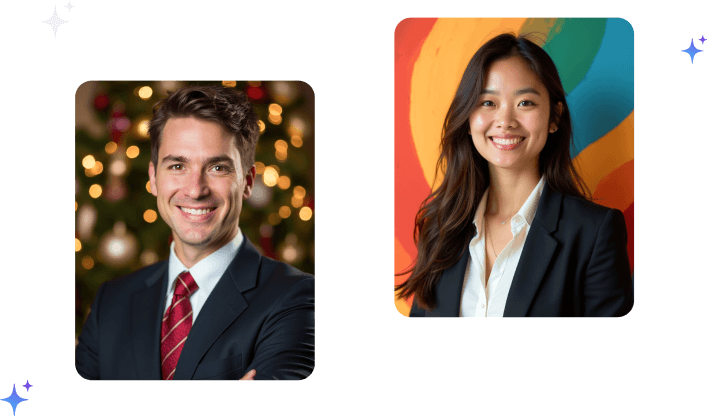
Strip out the retro costume, add a blazer and a clean background, and you've got a professional headshot from the identical process.
The yearbook trend is a Trojan horse. You came for the mullet you never had. The thing you actually discovered is that getting a good photo of yourself no longer requires a studio, a photographer, or an afternoon.
That's the realization worth keeping. Headshot Photo runs on the same upload-your-selfies idea, just tuned for sharp, professional results instead of throwback fun. Same one-hour turnaround. Different wardrobe.
Is it actually safe to do?
Fair question, because you're uploading photos of your face.
The reputable tools process your selfies to generate your set and then delete the source images rather than keeping them around. Before you upload anywhere, it's worth a ten-second glance at how a tool handles your photos. The good ones are upfront about secure processing and automatic deletion.
The trend itself is harmless fun. The only real caution is the same one for any AI photo: use a tool that's clear about what happens to your images.
What I keep coming back to
I made my yearbook photos as a joke. I kept one for months.
That's the quiet truth of this whole trend. It arrives disguised as a gag about big hair and bad sweaters, and it leaves you with two things you didn't expect: a genuine laugh, and the realization that a good photo of yourself is now a five-minute thing, not a five-hundred-dollar thing.
The 90s styling will cycle out eventually. Something else will take its turn in your feed. But the engine underneath, AI that can look at your face and give you back a real, recognizable, polished version of you, isn't going anywhere.
That's the part worth understanding. The costume is temporary. The capability is permanent.
Curious what your own set looks like, retro or professional? Take a look at Headshot Photo pricing and turn a few selfies into photos that genuinely look like you.
Frequently Asked Questions
What is the AI yearbook trend?
The AI yearbook trend is a viral format where you upload your own selfies and an AI generates portraits of you styled like a classic 90s high school yearbook, with retro hair, vintage clothing, and soft-focus studio backdrops. It spread across social media because it combines nostalgia, self-recognition, and instant shareability.
Why is the AI yearbook trend so popular?
It works on three things at once: nostalgia for the 90s aesthetic, the surprise of seeing yourself in a past you never lived, and how naturally funny and postable the results are. AI made producing those portraits cheap and fast, which is what let the trend go viral.
How does the AI yearbook trend compare to a regular AI headshot?
Both start the same way, an AI learns your face from uploaded selfies, but the styling differs. The yearbook trend applies retro, nostalgic looks, while a professional headshot applies business attire and clean backgrounds. The same set of selfies can produce either, depending on the style you choose.
How do I do the AI yearbook trend and how long does it take?
Upload 8 to 12 clear, well-lit selfies, pick a yearbook style, and let the AI generate a full set, usually in a couple of minutes. Then scroll through and save your favorites. The clarity of your selfies is the biggest factor in how realistic the results look.
Is the AI yearbook trend safe to use?
It's generally safe when you use a reputable tool. The trend itself is harmless, and quality providers process your selfies securely and delete the originals after generating your photos. Before uploading, check that the tool is clear about secure processing and automatic deletion.