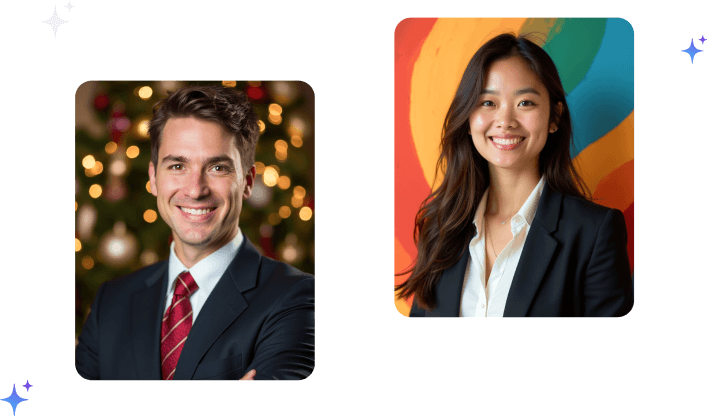
Headshot Disasters: 20 LinkedIn Profile Photos That Backfired
The cringe-worthy profile picture mistakes that quietly cost people interviews, clients, and credibility, and how to never make them.
A hiring manager once told me she rejected a candidate before reading a single line of their resume.
Why? The LinkedIn photo was a cropped wedding picture. You could still see someone else's arm around their shoulder. And a champagne flute. For a senior finance role.
Harsh? Absolutely. Fair? No. But real? Painfully.
Here's the uncomfortable truth. Your profile photo is doing loud, fast talking before you say a word, and a bad one can backfire in ways you'll never even hear about. No rejection email says "your photo was the problem." It just quietly happens.
So I pulled together the twenty most common headshot disasters I see over and over. None of these are specific people, they're the patterns, the archetypes, the mistakes repeated a million times a day. Find yours. Then fix it.
The "I cropped someone out" photo
You can see the disembodied arm. The other person's shoulder. Maybe half a face that didn't quite make the crop. It screams I had no photo of just me.
Why it backfires: It reads as unprepared and casual. Cropping is not photographing.

The vacation selfie in sunglasses
Beach behind you. Shades on. Maybe a cocktail. You look like you're having a great time, which is exactly the problem.
Why it backfires: Sunglasses hide your eyes, and people trust eyes. No eye contact, no connection.
The 2009 webcam special
Grainy, low-resolution, lit by the cold glow of a monitor. It looks like a ransom photo.
Why it backfires: Low quality reads as low effort, and it falls apart the instant anyone views it larger than a thumbnail.
The bathroom mirror shot
Toilet in the background. Flash bouncing off the mirror. Phone covering half your face.
Why it backfires: Context is everything, and the context here is a bathroom. Enough said.
The extreme close-up
So tight we can count your pores. Your nose fills the frame because the camera was two inches away.
Why it backfires: Close-lens distortion warps your features and the crowding feels intense, almost confrontational.
The full-body shot shrunk to a dot
You included your whole body, your dog, and the landscape, so in a tiny circular thumbnail your face is four pixels wide.
Why it backfires: LinkedIn renders photos small. A face lost in a wide shot becomes an unrecognizable smudge.
The "I'm at a wedding" formalwear flex
Full tux or gown, soft-focus event lighting, a boutonniere. You look great. You also look like you're about to give a toast, not lead a project.
Why it backfires: Overdressed for the context reads as trying too hard, or as a recycled photo.
The aggressively filtered face
Beauty filter cranked to eleven. Skin like polished plastic, eyes enlarged, every feature smoothed into an alien.
Why it backfires: It triggers that instant "something's fake here" reaction, and fake erodes trust fast.

The car selfie
Seatbelt across your chest, headrest framing your skull, that distinctive car-window light.
Why it backfires: It says "I shot this in a parking lot between errands," which is rarely the brand you want.
The group photo where you're circled
You used a team photo and just... hoped people would find you. Sometimes there's an actual drawn circle.
Why it backfires: Making a recruiter play "find the candidate" is not the first impression you want.
The dark, underexposed cave shot
Half your face vanishes into shadow. You're lit by a single sad lamp.
Why it backfires: Dark photos feel gloomy and low-energy, and we can't see the eyes.
The blinding overexposed shot
The opposite problem. Blasted with so much light your features wash out into a glowing blur.
Why it backfires: Detail disappears. You become a friendly ghost.
The "shot from below" power pose
Camera way below your chin, giving everyone a tour of your nostrils and a surprise double chin.
Why it backfires: Low angles distort and rarely flatter. Eye level or slightly above wins.
If you're cringing because you recognize one (or five) of these, good. That's the first step. For a clean, modern reference on what right looks like, our LinkedIn headshot guide lays out the whole formula, and if you want the fastest possible fix, you can generate a professional headshot with Headshot Photo from a few selfies in about ten minutes, no photographer, no parking-lot car selfie required.
The pixelated zoom-and-enhance
You cropped way into a group photo, so your face is a blurry mosaic of squares.
Why it backfires: Zooming into a small photo destroys quality. It looks careless.
The wildly outdated photo
The haircut, the glasses, the general vibe are fifteen years out of date. Then you walk into the interview and they don't recognize you.
Why it backfires: A photo that doesn't match the current you breeds quiet distrust the moment you meet.
The busy, chaotic background
A cluttered desk, a messy room, a stranger walking behind you. Anything but you.
Why it backfires: Backgrounds steal attention from your face. For ideas that work, see headshot background ideas.
The hobby cosplay
You in full scuba gear, on a motorcycle, mid-marathon. Fun, but it's a hobby photo, not a professional one.
Why it backfires: It tells people what you do on weekends, not whether to hire you.
The "logo instead of a face" dodge
You replaced your face with a company logo or a cartoon avatar.
Why it backfires: People connect with faces. Hiding yours reads as evasive or impersonal.
The deadpan mugshot
Stone-faced, flat stare, zero warmth, straight-on under harsh light. You look like you're being booked, not networking.
Why it backfires: No warmth means no approachability, and approachability is half the game.
The "obviously a selfie" arm angle
That telltale diagonal tilt, the outstretched-arm framing, the slightly-too-close intimacy of a phone held at arm's length.
Why it backfires: It reads as informal. A selfie and a professional headshot send very different signals, as the selfie versus professional headshot breakdown shows.
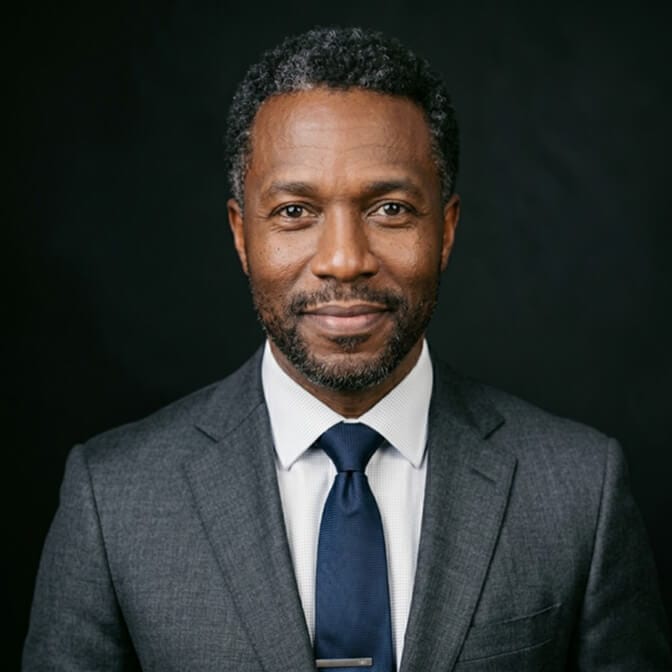
So what actually works?
Strip away all twenty disasters and the formula is almost boringly simple.
Your face fills a healthy chunk of the frame. Soft light from in front and slightly above. Visible eyes looking at the camera. A genuine, relaxed expression. A clean, simple background. Recent. Solo. Sharp.
A great LinkedIn photo doesn't need to be clever. It needs to be clear, current, and unmistakably you, looking like someone worth talking to.
That's it. No drama, no gimmicks. The disasters all come from skipping one of those basics, usually because grabbing a cropped party pic felt easier than getting one real photo.
Here's the soft truth I'll leave you with. Nobody is doomed to a bad photo. Every single disaster on this list is a five-minute fix, not a life sentence. The person in the cringe-worthy pic and the person in the polished one are the same human. The only difference is light, framing, and a little intention.
If your current photo is hiding somewhere on this list, you already know what to do. You can see Headshot Photo pricing and trade the disaster for a headshot that actually works for you, before your next opportunity scrolls past it.
Frequently Asked Questions
What makes a LinkedIn photo bad?
A bad LinkedIn photo usually breaks one of a few basics: hidden or shadowed eyes, a distracting or inappropriate background, low resolution, close-lens distortion, heavy filters, or a casual context like a party or vacation. Each one quietly signals low effort or low professionalism before anyone reads your profile.
Selfie versus professional headshot: which is better for LinkedIn?
A professional-looking headshot almost always wins because it controls lighting, framing, and distance in ways a selfie cannot. Arm's-length selfies create distortion and an informal vibe, while a proper headshot reads as credible and intentional. AI tools now make professional-quality results affordable without a photographer.
How do I fix a bad LinkedIn profile photo fast?
Use a recent, solo, well-lit photo where your face fills the frame and your eyes are visible and looking at the camera, with a clean simple background. Avoid filters, sunglasses, cropped group shots, and dark or low-resolution images. If you do not have one, an AI headshot tool can produce a polished version from a few selfies in minutes.
How much does it cost to get a good LinkedIn headshot?
Traditional photographer sessions often run from around one hundred to several hundred dollars plus scheduling and travel. AI headshot tools deliver professional results for a fraction of that, usually in minutes, which is why many people start there. You can compare options on the Headshot Photo pricing page.
Is an AI headshot good enough for a serious LinkedIn profile?
Yes, when it looks authentically like you and avoids the over-filtered, plastic look. Recruiters respond to clear eyes, natural expression, and clean framing, none of which require a traditional camera. The key is choosing realistic, minimally-retouched results rather than obviously synthetic ones.