Are AI Headshots Ethical? The Honest Answer in 2026
Not the comfortable answer. The real one, with the line drawn exactly where it belongs.
I'll tell you the moment this question stopped being theoretical for me.
A customer emailed us, upset. Not because her photos looked bad. They looked great. That was the problem. "It doesn't feel like I earned it," she wrote. "Is this even allowed?"
I read that email three times.
Because she wasn't asking about pixels. She was asking whether she was about to do something a little dishonest by showing up to the world looking like the best version of herself.
Here's the thing. The ethics of AI headshots is one of the most misunderstood questions in professional branding right now. Most people argue about whether the photo looks "real." That's the wrong fight. The honest answer lives somewhere else entirely.
Let me walk you through it.
An AI headshot is ethical when it represents who you actually are. It stops being ethical the moment it represents someone you are not.
That sentence is the whole article. Everything below is just me showing my work.
First, let's kill the laziest objection
"Using AI for your headshot is cheating."
No. It isn't. And once you see why, you can stop feeling weird about it.
Think about what a traditional headshot already is. A photographer picks your best angle. Controls the light so your skin looks even. Tells you to drop your chin half an inch. Shoots two hundred frames and hands you the four where you look rested, confident, and approachable.
That's staging. All of it. Nobody calls it dishonest, because the result is still you, presented with intention.
AI does the same job through a different door. You upload real photos of your real face. A model learns your features. It generates you in good light, in a blazer, against a clean background. The lighting is simulated instead of rented, but the face is yours.
So where's the crime? There isn't one. A headshot has always been your face on a good day. AI just made the good day cheaper to reach.
The ethics question was never about the tool. It's about three things that have nothing to do with whether you used a camera or a model.

Ethics line #1: Does it still look like you?
This is the big one. The one that actually matters.
An ethical headshot is one a stranger could match to your face when you walk into the room. If your recruiter, your client, or your date can look up from your photo and recognize you, you're fine. You're honest.
The problem starts when the output is so smoothed, slimmed, and re-sculpted that it becomes a different person wearing your name.
This is where most people get it wrong. They chase "perfect" and end up with a stranger. A jaw that isn't theirs. Skin with no pores. Eyes nudged a little wider. That's not a flattering photo anymore. That's a small lie that gets exposed the first time you show up in person.
We built our tool to resist exactly that. The goal is the version of you that slept well and felt good, not a synthetic ideal. If you've ever felt that an AI headshot doesn't look like you, that gap is the ethics problem in disguise. Closing it isn't just better quality. It's the honest move.
If a photo would surprise the person meeting you, it has crossed the line. Resemblance is the entire ethical test.
Ethics line #2: Did you consent to where your face goes?
Now the quieter risk. The one nobody mentions until it bites.
Your face is biometric data. Under laws like GDPR in Europe and CCPA in California, facial images can count as sensitive personal data, which triggers real rules on consent, security, and deletion. That's not branding fluff. In February 2026, dozens of data protection authorities around the world issued a joint statement specifically warning about AI systems that generate realistic images of identifiable people without their knowledge.
Here's what that means for you in plain language.
Generating a headshot of yourself from your own photos is completely fine. That's consent by definition. The risk is what the tool does afterward. Some no-cost generators quietly keep your uploads and use them to train future models. Your face becomes part of a dataset you never agreed to feed.
Stay with me here, because this is the part that actually protects you. The ethical question shifts from "is AI okay" to "who keeps my face, and for how long." A responsible tool tells you in writing: photos deleted after a defined window, no training on your images, real deletion on request. We hold ISO 27001 certification for exactly this reason. If a tool can't tell you its retention policy in one clear sentence, that silence is your answer.
If data handling is your main worry, we wrote a deeper breakdown on whether AI headshots are safe that covers retention and privacy in full.

Ethics line #3: Are you misleading anyone about who you are?
The third line is about context. Same photo, two different ethical readings depending on where it lands.
On LinkedIn, a resume, a company team page, a conference badge? Completely fine. Those places want a clear, professional picture of you. An AI headshot delivers that. Nobody is deceived, because nobody assumed a photographer was involved.
The line moves when the image is meant to prove identity rather than present it. Passport and visa photos, official ID, anything tied to legal verification. Those have strict rules, and a generated image has no business there. Generated portraits also carry murky copyright and ownership status in the United States, which is another reason to keep them out of legal documents.
And the obvious one: don't generate a face that implies endorsements you don't have, or a role you don't hold. That's not an AI problem. That's just lying, and lying was already unethical before the technology showed up.
See the pattern? Profile and branding, honest. Identity verification and impersonation, not. The tool didn't change right and wrong. It just made the question land faster.
So, are AI headshots ethical? Here's my honest answer
Yes. With your eyes open.
They're ethical when the result looks like you, when you know where your face is stored, and when you're not using the image to deceive anyone about your identity. Hit those three and you have nothing to feel weird about. You staged your best self, the same way professionals always have, just faster and for a fraction of the cost.
I wrote back to that customer, by the way. I told her she didn't cheat. She showed up as herself, looking like she'd had a good week. That's not a lie. That's just a Tuesday where the lighting finally cooperated.
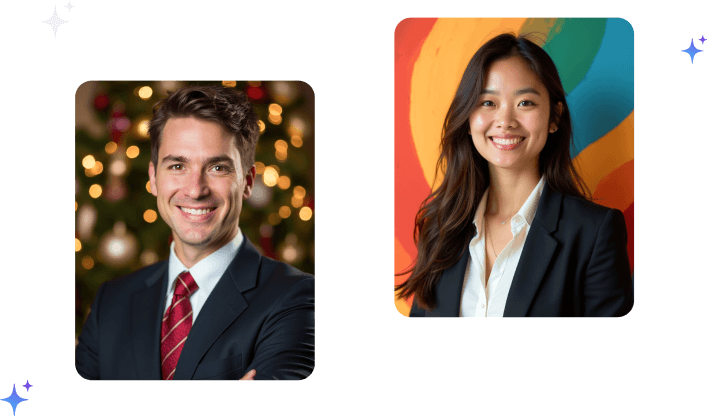
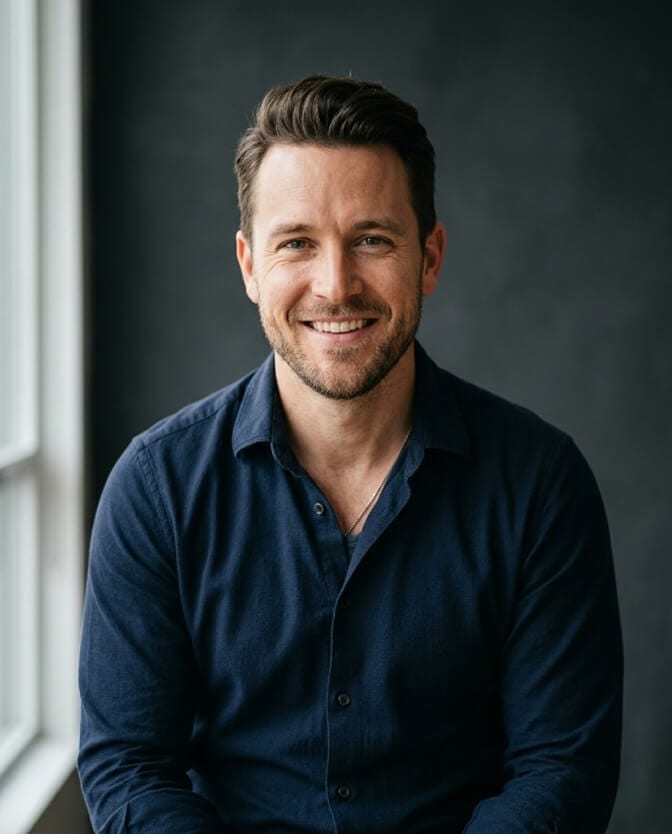
If you want a headshot that actually resembles you, handled with proper data care, you can get your professional headshot with Headshot Photo in about one hour. Want to see honest output first? Our professional headshot examples show real people, recognizably themselves.
Frequently Asked Questions
Are AI headshots ethical to use on LinkedIn and resumes?
Yes. LinkedIn, resumes, and company pages exist to show a clear professional picture of you, and an AI headshot does that honestly as long as it still looks like you. Nobody is misled, because these platforms never assumed a studio photographer was involved. The ethical line is resemblance, not method.
Is it dishonest to use an AI headshot instead of a real photo?
Not if the photo still represents you accurately. A traditional headshot is already staged with lighting, angles, and dozens of retakes, and AI does the same job differently. It only becomes dishonest when the result is reshaped into someone you are not.
How do AI headshots compare to a real photographer on ethics?
Both stage you intentionally, so neither is inherently more honest. The real difference is data: a photographer holds your files under a clear agreement, while some AI tools quietly retain or train on your images. Choosing a tool with a written deletion policy closes that gap.
Is it safe to upload my face to an AI headshot generator?
It can be, but it depends entirely on the provider. Look for a clear retention window, a promise not to train on your photos, and a real deletion option, ideally backed by a recognized security certification like ISO 27001. If a tool will not state its policy plainly, treat that as a warning.
Can I use an AI headshot for a passport or official ID?
No. Passports, visas, and legal identity documents have strict rules and require genuine photographs, and generated portraits also have unclear ownership status in places like the United States. AI headshots are built for professional branding and profiles, not legal verification.