AI Y2K Photos: The Aesthetic That's Storming Back in 2026 (and How to Put Yourself In It)
Chrome, butterfly clips, and that messy early-internet optimism. You don't need the wardrobe. You need the vibe, and AI hands it to you.
I watched a 19-year-old explain Y2K to her mom last week, and the mom just laughed.
"Honey, I lived through that. The low-rise jeans were a crime."
But the daughter didn't care. To her, the early 2000s aren't embarrassing. They're cool. Chrome everything. Butterfly clips. Tiny sunglasses. That shiny, hopeful, slightly-unhinged energy of the early internet.
And here's the weird part: she doesn't own a single piece of it. She makes her Y2K photos with AI. No thrift hauls. No metallic top she'll wear once. Just the look, on demand.
That's the trend storming back in 2026, and it's worth understanding why it hits so hard.
What Y2K actually is (and why it's back)
Let's get the definition straight, because most people get it slightly wrong.
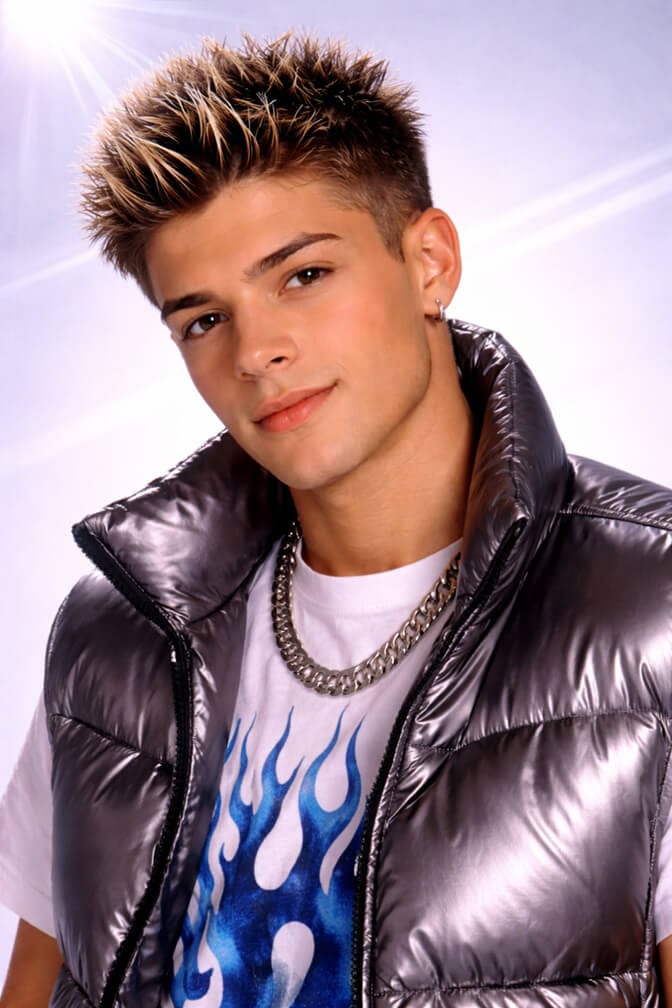
Y2K isn't the 90s. It's the early 2000s. Late 90s through about 2004. Think metallics and chrome, low-rise and baggy denim, baby tees, frosted everything, butterfly clips, tiny tinted shades, and a futuristic optimism borrowed from a world that genuinely believed the internet was going to be fun.
In 2026 it's everywhere again. Low-rise baggy jeans, metallic fabrics, baby tees, chunky sneakers, all back in the feed.
But here's what the shopping listicles miss.
This is where most people get it wrong
They think Y2K is a clothing trend. It isn't. It's an energy trend.
The reason it refuses to die isn't the butterfly clips. It's how that era felt. Chaotic. Confident. Experimental. Pre-algorithm, before everyone's online presence got sanded into the same tasteful beige. Y2K was loud and optimistic and a little bit messy, and people are starving for exactly that right now.
Y2K isn't a look you wear. It's a feeling you step into. That's why people want themselves in it, not just dressed in it.
And that's the exact reason AI Y2K photos work so well. You're not shopping for an aesthetic. You're becoming a version of yourself inside it.
You don't need the wardrobe. You need the vibe.
Here's the part that genuinely surprised me.
To make a Y2K photo of yourself the old way, you'd need the metallic top, the right hair, the lighting, the backdrop, and ideally a time machine. To make one with AI, you need a handful of selfies.
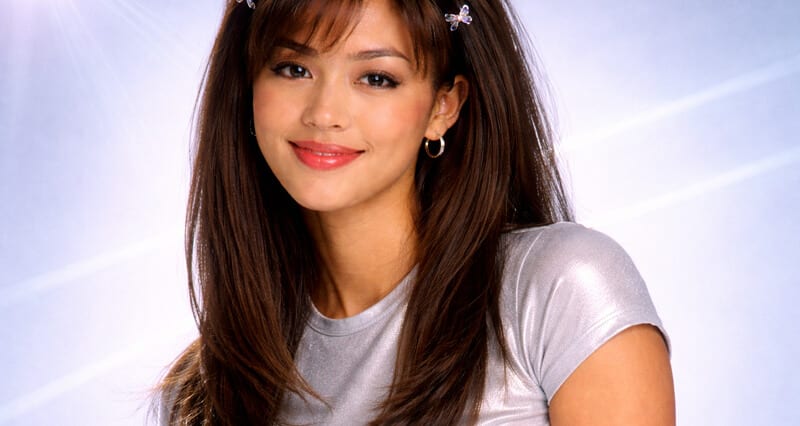
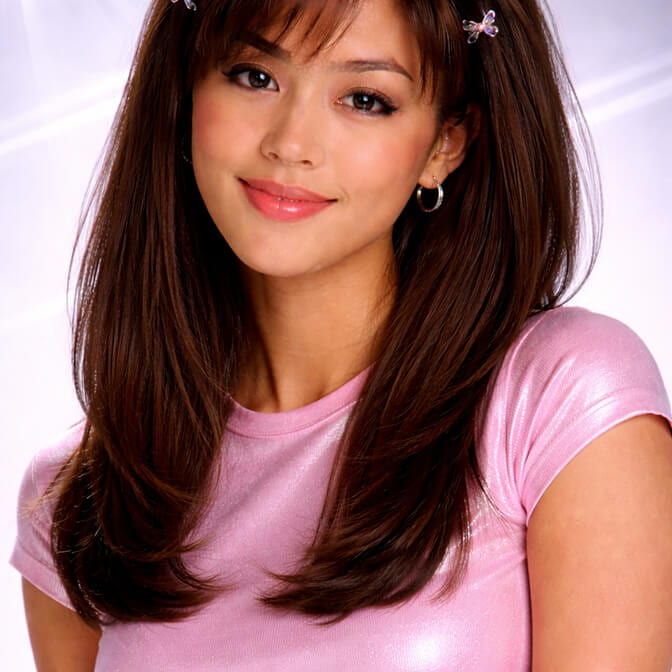
The generator learns your face, then places you in the full Y2K treatment. Glossy magazine lighting. The chrome and shine. The hair, the clips, the whole early-2000s energy. You step into the aesthetic without owning a single piece of it.
That's the magic of it for me. The 19-year-old gets a look she's too young to have lived. The mom who did live it gets to relive it without digging through a shoebox. Same tool, two kinds of nostalgia.
If you want the wider story on how these retro photo trends spread and keep resurfacing, our AI yearbook trend breakdown covers the pattern. Y2K is the next era stepping up to the same viral cycle.
How to make AI Y2K photos that actually look like you
Quick and practical, because you came here to make one.
Use 8 to 12 clear, well-lit selfies. Varied angles, your face clearly visible, no hats or sunglasses in the source shots. This is the whole ballgame. The AI can only return the face you give it. Blurry input, generic stranger output.
Lean into the era, not just "retro." Pick the styling that actually reads Y2K... the metallics, the glossy finish, the early-2000s energy... rather than a vague vintage filter. The closer the look sits to the real aesthetic, the more your photo lands instead of looking like a costume.
But then something clicked
The same tool that drops you into 2002 also makes a genuinely sharp photo of present-day you.
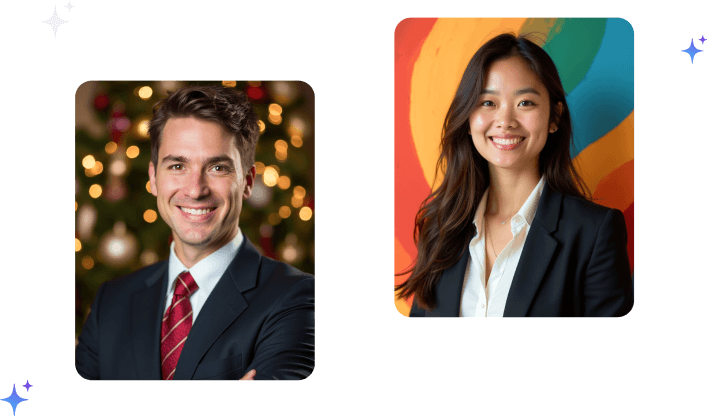
It's the identical engine. Upload your selfies once, and the AI can style you as a chrome-clad Y2K teen or a polished professional, depending on the wardrobe and background you pick. The playful trend and the headshot you'd actually use come from the same place.
That's why I keep telling people these trends aren't just toys. They're the fun front door to something useful: a good photo of yourself, any aesthetic, any time, in minutes, no studio.
If that idea clicks, Headshot Photo runs on the same upload-your-selfies approach, just tuned for crisp professional results instead of retro fun. Same one-hour turnaround. Less chrome.
One honest caution
Same as any AI photo: use a tool that's upfront about your privacy.
The reputable ones process your selfies to build your set and then delete the originals rather than keeping them around. A ten-second glance at how a tool handles your images before you upload is always worth it. The trend itself is harmless fun. The only real care is choosing a tool that's clear about what happens to your photos.
What I keep coming back to
The mom was right. The low-rise jeans were a crime.
But watching her daughter light up over a chrome-soaked Y2K photo of herself, a look from a year she wasn't even alive for, I got it. These trends aren't really about the clothes. They're about trying on a feeling. Stepping into an energy that the present moment doesn't hand out for free.
Y2K will have its run and then pass the baton, the way every era does. But the ability to point AI at your own face and step into any aesthetic, retro or polished, playful or professional, that's the part that stays.
Want to step into it yourself? Take a look at Headshot Photo pricing and turn a few selfies into your own Y2K moment (or a sharp professional shot for today).
Frequently Asked Questions
What are AI Y2K photos?
AI Y2K photos are portraits generated from your own selfies and styled in the early-2000s aesthetic, with metallics, glossy magazine lighting, butterfly clips, baby tees, and that futuristic early-internet energy. The AI learns your face and places you in the Y2K look without you owning any of the wardrobe.
Why is the Y2K aesthetic coming back in 2026?
Y2K is back because people are drawn to its bold, optimistic, pre-algorithm energy, a contrast to today's more polished, uniform online aesthetics. For Gen Z it carries no cringe factor since they didn't live it, and for millennials it's pure nostalgia. That mix is fueling its 2026 resurgence.
How do AI Y2K photos compare to a real early-2000s photo?
A real early-2000s photo captures an actual moment, while an AI Y2K generator recreates the style on your present-day face, useful when you don't have one or want a fresh take. The same process can also produce a modern professional headshot, since it learns your face regardless of the styling.
How do I make AI Y2K photos and how long does it take?
Upload 8 to 12 clear, well-lit selfies, choose a Y2K style with the metallics and glossy early-2000s look, and let the AI generate a set, usually in a couple of minutes. The clarity and variety of your selfies is the biggest factor in how realistic and recognizable the results look.
Are AI Y2K photo generators safe and do they actually look like me?
Yes, with a reputable tool and good selfies. Quality generators produce a realistic, recognizable version of you in Y2K styling, and they process your photos securely while deleting the originals after generating your set. If the results don't look like you, the usual fix is uploading clearer, more varied photos.