I Need Professional Headshots in 24 Hours: Your Options Ranked
A no-panic guide to getting a usable, professional photo before your deadline hits, ranked by what actually works when the clock is real.
It's 9 p.m. The email says the speaker page goes live tomorrow morning and they need a headshot by 8 a.m.
You scroll through your camera roll. Wedding photo. Beach photo. A blurry one from a friend's birthday where you're mid-laugh and someone's elbow is in frame.
Nothing usable. Nothing professional. And no time to fix it the normal way.
I have been in this exact spot. So has half my team. The good news is that getting a professional headshot in 24 hours is completely doable in 2026. The bad news is that most of the advice out there will quietly waste the hours you don't have.
So let me rank your real options. Honestly. With the clock running.
First, get honest about your actual deadline
Here's where most people get it wrong.
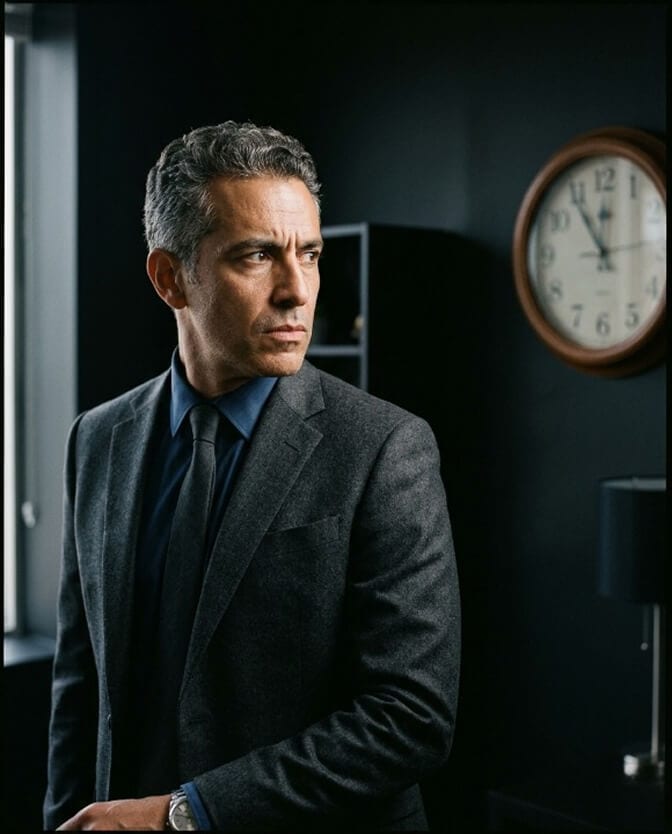
They treat "24 hours" like a comfortable window. It isn't. If your photo is due at 8 a.m. and it's 9 p.m. now, you don't have 24 hours. You have eleven, and most of them are hours you'd rather be asleep.
So before you pick an option, answer one question: when, exactly, does the finished image need to exist?
That single answer eliminates half your choices instantly. A photographer who can "fit you in tomorrow afternoon" is useless if your deadline is tomorrow morning. A free tool that takes "a few hours to process" is a gamble you can't afford with three hours left.
The fastest option isn't the one that starts fast. It's the one that finishes before your deadline, with a result you can actually use.
Keep that in your head as we go down the list.
Option 1: AI headshot generators (ranked #1 for speed)
I'll say the quiet part loud. For most people on a 24-hour deadline, an AI headshot generator is the right answer, and it isn't close.
Here's why it wins the clock.
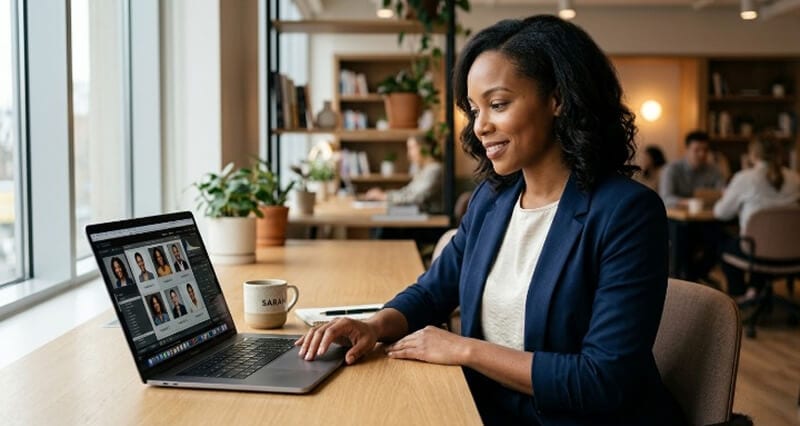
There's no booking. No travel. No waiting for a studio to open. You upload selfies you already have on your phone, and a finished set of professional images comes back to you, often in well under an hour.
You're not paying rush fees either. The whole thing usually runs in the range most people spend on lunch for two, not the hundreds a photographer charges for the same deadline.
But speed alone isn't the full story, and I won't pretend it is.
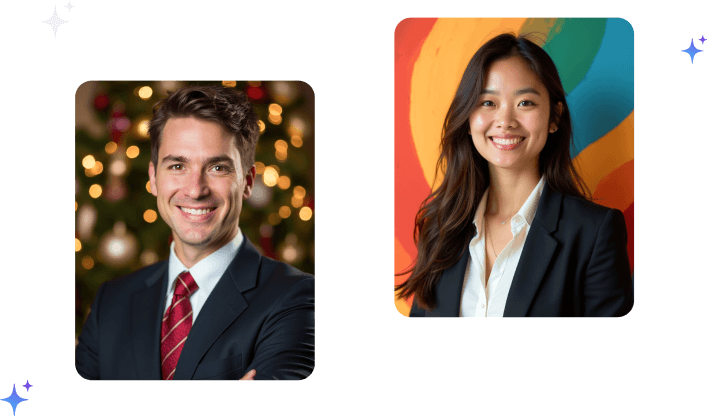
The thing nobody tells you about fast AI headshots is that quality varies wildly between tools. Some still hand you that plastic, slightly-melted look that screams "generated." The good ones, the ones built specifically for headshots, give you natural skin texture, real catchlight in the eyes, and a result a recruiter would never blink at.
That difference matters more on a deadline, not less. Because if your first batch looks off and you're out of time, you have no Plan B left.
This is exactly why we built Headshot Photo the way we did. You can see the kind of output to expect on our professional headshots page, and the examples gallery shows real results across different faces, ages, and professions so you know what you're walking into before you commit.
When AI is the wrong call: if you need a very specific environmental shot in a real location (you on your actual factory floor, say), or your industry has a strict no-AI policy. Those are real exceptions. But for a LinkedIn photo, a speaker bio, a company page, or a job application due tomorrow? This is your move.
Verdict: Fastest reliable option. Finishes in minutes to an hour. Lowest cost. Quality depends entirely on which tool you pick.
Option 2: A same-day or rush photographer (ranked #2, if you're lucky)
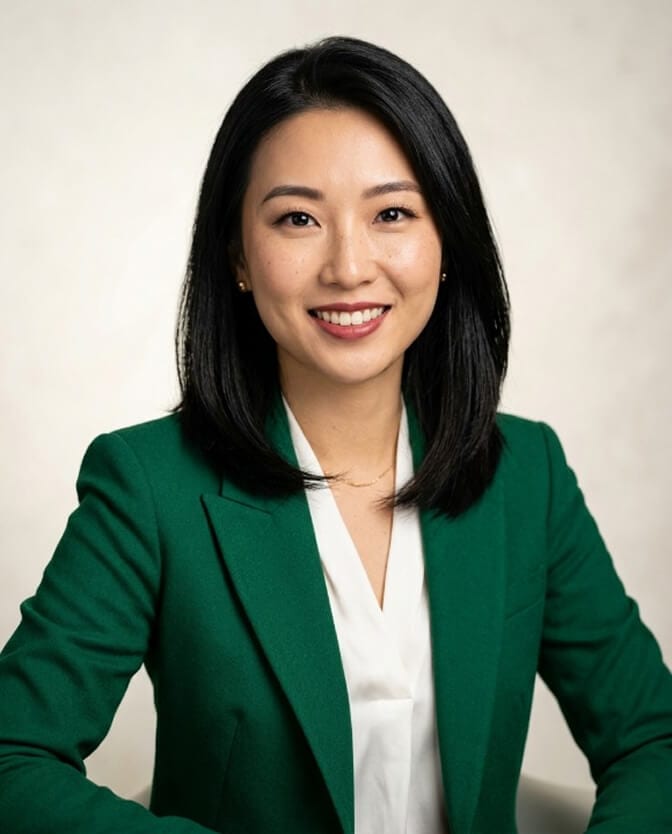
A real photographer in a real studio is still the gold standard for a planned shoot. The question is whether one can actually serve you in the next 24 hours.
Sometimes, yes. Some studios offer same-day or next-day slots, and a few will deliver finals within 24 to 48 hours.
Here's the catch most guides skip.
Standard photographer turnaround is three to seven business days, not 24 hours. To beat that, you're usually paying a rush fee on top of the session, commonly in the range of fifty to a few hundred dollars depending on the market. In big cities the session itself already runs several hundred, before the rush surcharge.
Then there's the real risk: availability. The photographer with an open slot tomorrow and a same-day editing turnaround is not the typical photographer. You might call six studios before one says yes, and you've just burned an hour of your deadline doing it.
And if the shoot happens but you don't love a single frame? You're out of time and out of options. There's no reshoot when the deadline is in the morning.
A photographer is the best option you have time to plan for. On a true 24-hour clock, it becomes a coin flip with a cover charge.
Verdict: Excellent quality if you can find one available. Expensive once rush fees land. Heavily dependent on luck and your city.
Option 3: A retail or chain studio (ranked #3)
Walk-in chain studios and department-store photo setups can technically photograph you today. That's their whole appeal.
I won't trash them. For a basic, serviceable photo on a tight deadline, they can do the job.
But manage your expectations. The lighting is often flat, the posing direction is minimal, and the "professional" polish that makes a headshot land is usually missing. You're trading quality for the certainty of getting something today.
There's also the appointment problem. "Walk-in" doesn't always mean "right now," and a packed Saturday can mean a two-hour wait you didn't budget for.
Verdict: Reliable for getting a photo today. Rarely the photo you actually want. Fine as a backup, not a first choice.
If you're weighing the money side of all this, our breakdown of how much a professional headshot costs lays out every tier so the rush fees don't blindside you.
Option 4: The DIY self-shoot (ranked #4, last resort)
You have a phone with a good camera. You have a window. In theory, you can shoot a passable headshot yourself in the next hour.
In practice, doing it well under pressure is hard.
Good DIY headshots take setup. Finding flattering light, getting the framing right, nailing an expression that doesn't look forced, then editing the result. Each of those is a skill, and "stressed at 10 p.m. the night before" is the worst possible condition to learn them in.
If this is genuinely your only path, point yourself toward a window during daylight, keep the camera at eye level, and shoot dozens of frames to get one keeper.
But be honest with yourself about the result. A rushed DIY photo often looks exactly like what it is.
Verdict: Free and instant. Quality is a gamble and the learning curve is brutal under deadline stress.
So which one should you actually pick?
Let me make this stupidly simple.
If your deadline is real and you want a professional result with the least risk, start with a quality AI headshot generator. It's the only option on this list that you fully control. No booking, no travel, no reshoot anxiety, no rush fee.
If you have a specific need AI can't meet and you happen to find an available rush photographer, take it. If you literally just need a body in front of a camera today, a chain studio will do.
DIY is your floor, not your goal.
The reason AI sits at the top isn't hype. It's the only route where the clock is on your side instead of against you. Everything else depends on someone else's schedule.
The part I wish someone had told me sooner
The first time I scrambled for a last-minute headshot, I treated it like an emergency. Panicked. Overpaid. Ended up with a photo I quietly hated for two years on my profile.
What I learned is this: a deadline doesn't have to mean a compromise anymore.
The tools changed. A professional headshot used to require a calendar, a budget, and a week of lead time. Now it requires a few decent selfies and about ten minutes. That shift is the whole reason the 24-hour panic is mostly solvable.
So breathe. You're going to have a real photo by morning.
If you're staring down a deadline tonight and want this handled in the next few minutes instead of the next few days, you can get your professional headshot with Headshot Photo right now. Upload your selfies, and walk away with a set of polished, natural-looking images while the photographers are still answering their voicemail.
You've got this. And you've got more time than the panic is telling you.
Frequently Asked Questions
Can I really get professional headshots in 24 hours?
Yes, and in most cases far faster than that. A good AI headshot generator turns a few selfies into a finished, professional set in minutes to about an hour. Rush photographers can sometimes deliver within 24 to 48 hours, but that depends on availability and usually carries a rush fee.
How do same day headshots from a photographer compare to AI headshots?
A same-day photographer can deliver excellent quality, but you're at the mercy of their schedule, you'll likely pay a rush surcharge, and there's no reshoot if you don't like the result. AI headshots remove all three problems. You control the timing, the cost is far lower, and you can regenerate if the first batch isn't right.
How do I get a headshot today if every photographer is booked?
This is the most common reason people turn to AI. Because there's no appointment, no studio, and no waiting on someone else's calendar, an AI headshot generator works no matter how booked the photographers in your city are. You upload photos you already have and get results the same day.
Is a fast AI headshot worth it, or do I get what I pay for?
On a deadline, the value is hard to beat. You're spending a small fraction of a rush photographer's fee and getting results in minutes instead of days. The one thing to watch is tool quality, since cheaper generators can look artificial. Sticking with a tool built specifically for headshots is what keeps a fast result from looking like a fast result.
Will a last minute AI headshot look professional enough for LinkedIn or a job application?
A quality one absolutely will. Modern headshot tools produce natural skin texture, proper lighting, and sharp, expressive eyes, the same things recruiters respond to in any professional photo. The key is choosing a tool focused on realistic, human-looking output rather than a generic image generator.