Professional Headshot Examples That Actually Get You Hired (Not Just Liked)
What separates a forgettable photo from one that opens doors? Here are the patterns nobody talks about.
Last month, a recruiter told me something I couldn't shake.
She said she spends about 7 seconds on a LinkedIn profile before deciding whether to reach out. The photo? That's the first 3 seconds.
Three seconds to look competent. Trustworthy. Worth their time.
I thought about all the headshots I've seen that fail this test. The bathroom selfies. The cropped wedding photos. The "good enough" shots from 2017 that somehow still live on every professional platform.
And then I thought about the ones that pass. The ones that make you pause. Click. Reach out.
There's a pattern to those photos. A science, almost.
Here's what nobody tells you about professional headshots: the best ones aren't about looking attractive. They're about triggering specific psychological responses in the viewer.
Let me show you what I mean.
The Science Nobody Mentions
Psychologists call it the Halo Effect.
When someone sees a polished, professional photo of you, their brain doesn't just think "nice picture." It assumes you're more competent. More trustworthy. More likely to succeed.
A Princeton study found that people form judgments about competence, likability, and trustworthiness within 100 milliseconds of seeing a face.
One-tenth of a second.
That's not enough time to read your job title or scan your experience. It's enough time to look at your face and make a snap decision.
This is why headshot quality matters more than most people realize. It's not vanity. It's psychology.
A professional headshot doesn't make you look better. It makes people perceive you as better at your job.
Let me walk through examples of headshots that nail this, and why they work.
Example 1: The Executive Power Shot
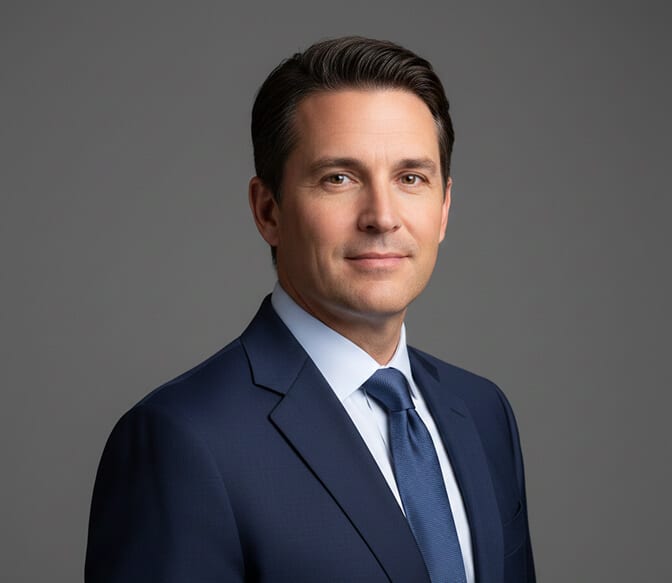
This style dominates C-suites and board rooms for a reason.
What makes it work:
- Neutral background eliminates distractions
- Formal attire signals authority
- Direct eye contact establishes dominance
- Subtle smile balances approachability with seriousness
The posture matters here. Shoulders squared. Chin slightly forward. This isn't aggressive, it's present.
If you're in finance, law, consulting, or executive leadership, this is your template. It says: "I make decisions. I lead."
The mistake most people make: Going too serious. A fully neutral expression can read as cold or unapproachable. That slight upturn at the corners of your mouth? It's doing heavy lifting.
Example 2: The Approachable Professional

This is the LinkedIn sweet spot.
Not too formal. Not too casual. The person in this photo looks like someone you'd want to grab coffee with and also trust with your project.
What makes it work:
- Warm lighting softens features and creates connection
- Genuine smile engages the viewer emotionally
- Simple clothing doesn't compete for attention
- Slightly blurred background adds depth without distraction
This style works for most industries, mid-career professionals, and anyone who needs to balance expertise with relatability.
Here's the weird part. A study by PhotoFeeler found that photos showing teeth in a smile scored 10% higher on likability AND competence. The closed-lip corporate smile? It's actually working against you.
Example 3: The Creative Industry Shot

Creatives play by different rules.
If you're in design, marketing, content, or tech startups, a buttoned-up corporate headshot can actually hurt you. It signals "I don't get your world."
What makes it work:
- Personality shows through styling choices
- Lighting has character (not flat studio light)
- Clothing is polished but not formal
- Expression has energy, not just pleasantness
The key here is intentionality. This isn't a casual snapshot. It's a deliberately crafted image that says "I'm creative, but I'm also a professional."
But here's where most people get it wrong: They confuse "creative" with "sloppy." Your headshot still needs technical quality. Sharp focus. Good lighting. Professional composition. The creativity comes from the styling, not from lower standards.
Example 4: The Real Estate Agent Gold Standard

Real estate headshots have their own rules.
These photos appear on yard signs, flyers, websites, and social profiles. They need to work at multiple sizes and communicate trustworthiness instantly.
What makes it work:
- Bigger, more genuine smile (you're selling yourself)
- Often includes outdoor or environmental elements
- Professional but not intimidating
- Photo says "I'm friendly AND capable"
Real estate agents live and die by first impressions. The best ones know their headshot is marketing. They invest accordingly.
The pattern I've noticed: Top-producing agents update their headshots every 1-2 years. New listings. New photos. They understand the compound effect of a strong visual identity.
Example 5: The Healthcare Professional

Healthcare headshots need to accomplish something tricky: project expertise while also feeling human.
Nobody wants their doctor to look like a stock photo. They want competence with warmth.
What makes it work:
- White coat or scrubs establish credibility
- Softer lighting than corporate shots
- Genuine, warm expression
- Clean background keeps focus on the person
Patients look at these photos when choosing providers. They're asking: "Would I feel comfortable with this person?"
Your headshot needs to answer "yes" before you ever meet them.
The Part Nobody Tells You
Here's what separates good headshots from great ones:
It's not the camera. It's not even the photographer, necessarily. It's understanding what you want the viewer to feel.
Every strong headshot starts with intention. Who is going to see this? What decision are they making? What do you want them to believe about you?
A headshot for internal company use is different from one for speaking engagements. A LinkedIn headshot has different requirements than one for your email signature.
The best professionals think about this before the photo happens.
Your headshot isn't a portrait of your face. It's a portrait of how you want to be perceived.
What the Research Actually Says
Let me hit you with some numbers.
LinkedIn profiles with professional headshots receive 14x more profile views than those without. Recruiters are 40% more likely to click on profiles with quality photos. And according to research from NYU, candidates with professional headshots are perceived as more hireable.
This isn't surprising when you understand the psychology. But it does highlight something important:
Your headshot is probably one of the highest-ROI investments you can make in your career.
The question becomes: how do you get one?
The Traditional Route (And Why It's Frustrating)
For years, professional headshots meant one thing: hiring a photographer.
You'd research options. Email back and forth. Schedule a session that works with both calendars. Travel to a studio. Spend 30-60 minutes posing under bright lights. Wait a week for edited photos. Pick your favorites.
Total investment: $200-500 and half a day of your life.
For some people in some situations, that makes sense. A CEO updating their board bio. An actor building their portfolio. A speaker who needs press-ready images.
But for most professionals who just need a solid LinkedIn headshot?
That's a lot of friction for one photo.
This Is Where It Gets Interesting
AI-generated headshots have changed the math.
Instead of scheduling and traveling and posing, you upload a few casual selfies. An AI trained on professional photography principles generates studio-quality headshots. You pick your favorite.
Total time: Maybe 1 hour. Total cost: A fraction of traditional photography.
At HeadshotPhoto.io, we've helped thousands of professionals get headshots that look like they spent an afternoon in a studio. They didn't. They spent their lunch break.
The technology is good enough now that most people can't tell the difference. What they can tell? That you look professional. Competent. Worth their time.
How To Get Professional Headshot Examples Right
Whether you go the traditional photography route or try AI-generated headshots, here's what matters:
Lighting: Soft, even lighting that doesn't create harsh shadows. This is the single biggest factor in photo quality.
Background: Simple. Not distracting. Either solid colors or very subtly blurred environments.
Expression: Approachable but confident. A slight smile usually wins. Direct eye contact creates connection.
Clothing: Whatever you'd wear to meet a client or interviewer. Solid colors photograph better than patterns.
Technical quality: Sharp focus. Good resolution. No pixelation when viewed at full size.
These principles don't change whether a human or AI is involved in the process. They're what make a headshot professional.
The Mistake That Kills Most Headshots
You know what I see constantly?
People who overthink it.
They spend hours agonizing over the perfect outfit. They practice expressions in the mirror until they look robotic. They show up to photo shoots tense and awkward.
The best headshots capture something natural. Something real.
The professionals who get it right? They think about the impression they want to make. They prepare reasonably. And then they relax and let it happen.
Perfection isn't the goal. Authenticity is.
A Quick Word On Updates
Your headshot has a shelf life.
Industry standard is updating every 2-3 years, or whenever your appearance changes significantly (new hairstyle, glasses, weight changes, etc.).
Why? Because your headshot is supposed to represent you. The current you. When someone meets you after seeing your photo, they shouldn't be surprised.
I've seen people show up to interviews looking nothing like their LinkedIn photo. It creates distrust before the conversation even starts.
If your headshot is more than three years old, it's probably time.
Final Thought
Your professional headshot is working for you 24/7.
It's on LinkedIn when recruiters search at midnight. It's in email signatures when clients decide whether to respond. It's on company websites when customers research your team.
Most people put more thought into their Netflix selection than their professional image.
Don't be most people.
Whether you book a photographer or generate yours with AI, just make sure your headshot is doing its job: making people want to know more about you.
That's what the best ones do.
Frequently Asked Questions
What makes a professional headshot look professional?
A professional headshot combines good lighting, a clean background, appropriate attire, and a confident expression. Technical quality matters too, meaning sharp focus and proper exposure. The photo should look intentional, not accidental, and match the context where it will be used.
How do AI headshots compare to traditional photography?
AI headshots can now match studio-quality results for most professional uses like LinkedIn profiles and company directories. Traditional photography still offers more control for specialized needs (actors, speakers, executives who need multiple looks). For most professionals, AI offers better convenience and cost.
How often should I update my professional headshot?
Industry standard is every 2-3 years, or whenever your appearance changes significantly. Using an outdated headshot creates a disconnect when people meet you in person, which can hurt trust and credibility.
What should I wear for a professional headshot?
Solid colors photograph best. Avoid busy patterns, large logos, and trendy pieces that will date quickly. Think about what you'd wear to meet an important client, then dress slightly more polished than that. Navy, gray, black, and jewel tones work well for most people.
Are professional headshots worth the investment?
Data suggests yes. LinkedIn profiles with professional photos get 14x more views. Recruiters spend more time on profiles with quality images. For career advancement, networking, and business development, a strong headshot consistently delivers ROI that exceeds its cost.